
Planting
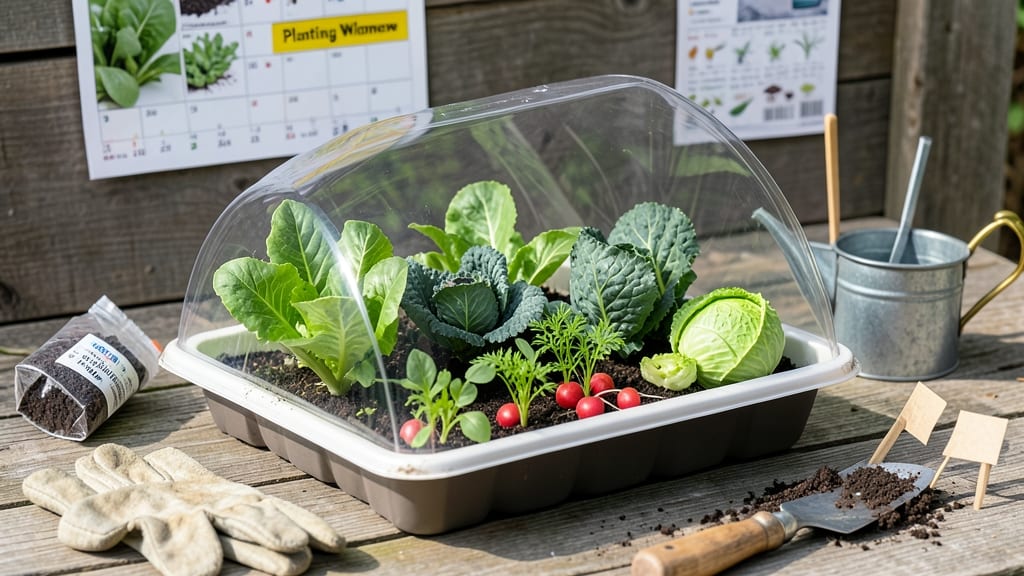
Planting your 🥬 vegetable garden in Oklahoma at the wrong time can mean the difference between a thriving harvest and wasted effort. The key isn’t just following a generic calendar—it’s understanding how your county’s frost dates and heat zones shape the perfect planting windows for everything from lettuce to tomatoes.
With Oklahoma’s 6b-7a climate, you’ve got two main opportunities: spring (late February to early April) and fall (late July to early September). But timing isn’t one-size-fits-all—northern counties like Woodward freeze earlier than southern ones like Lawton, and soil temperature matters just as much as the calendar.
I’ll break down exactly when to start seeds indoors, when to direct-sow, and how to stretch your growing season with row covers—so you can avoid common mistakes like planting tomatoes too early or missing the window for cool-season greens.
Ready to turn Oklahoma’s unpredictable weather into your garden’s advantage? Let’s get your 🥬 vegetable garden growing strong, no matter where you are in the state.
Oklahoma’s frost dates by county: when to plant cool-season vs. warm-season vegetables
Oklahoma’s diverse climate spans from USDA Zone 6b in the north to Zone 8a in the south, creating wildly different planting windows. The average last frost date ranges from mid-March in southern counties to early April in the Panhandle.
Meanwhile, first frost arrives as early as mid-October in northern regions but can linger until November in the south. These variations mean your garden timing depends heavily on your county.
For cool-season vegetables like lettuce, broccoli, and peas, start seeds indoors 4-6 weeks before your last frost date.
In southern Oklahoma, this could be as early as late February, while northern gardeners should wait until mid-March. Warm-season crops like tomatoes and peppers need to wait until soil temperatures hit at least 60°F, typically mid-April to early May depending on your location.
Here’s a county-by-county breakdown of Oklahoma’s frost dates and ideal planting windows for both cool- and warm-season crops. Use this to align your seed starting and transplanting with your local climate.
| Region | Last Frost (Spring) | First Frost (Fall) | Cool-Season Planting | Warm-Season Planting |
|---|---|---|---|---|
| Northern (Panhandle, NW) | April 1-15 | October 15-30 | March 15-April 15 | May 15-June 1 |
| Central (Oklahoma City) | March 20-April 5 | November 1-15 | March 1-March 31 | April 20-May 10 |
| Southern (Tulsa, SE) | February 28-March 15 | November 15-December 1 | February 15-March 15 | March 20-April 10 |
*Adjust dates 1-2 weeks earlier for low-lying areas or later for elevated regions.
If you’re in Zone 6b (northern Oklahoma), avoid planting warm-season crops until after May 1—early frosts are common. Meanwhile, Zone 8a gardeners (southern Oklahoma) can start tomatoes and peppers as early as March 15 with row covers to protect against late frosts.
Always check your local USDA zone and microclimate (e.g., urban vs. rural) for precise timing.
For cool-season crops, direct sow hardy greens like spinach and kale 2-3 weeks before your last frost date.
In southern Oklahoma, this means late January, while northern regions should wait until mid-March. Broccoli and cabbage prefer cooler soil, so plant them 4-6 weeks before your last frost for a spring harvest or late summer for a fall crop.
In warm-season planting, soil temperature is critical. Use a soil thermometer to confirm 60°F+ before planting tomatoes, peppers, and cucumbers.
In central Oklahoma, this typically aligns with mid-April, but northern counties may need to wait until early May. Southern Oklahoma can start earlier, even in <
Best vegetables to plant in Oklahoma’s spring vs. fall: heat Zone-specific recommendations
Oklahoma’s USDA Hardiness Zones 6b–7a mean your planting choices should shift dramatically between spring and fall. In the spring, focus on cool-season crops like lettuce and peas, while fall is ideal for heat-loving tomatoes and peppers.
Southern Oklahoma (Zone 7a) can plant 2–4 weeks earlier than northern counties (Zone 6b), so adjust timing accordingly.
For spring planting, prioritize hardy greens like spinach and kale, which tolerate light frosts. In fall, switch to warm-season favorites such as bell peppers and cucumbers—just be ready to harvest before the first frost.
Oklahoma’s 180–220 frost-free days create a narrow window for warm crops, so plan succession plantings.
Here are my top heat zone-specific recommendations to maximize your harvest:
- 🥬 Lettuce, Spinach, Kale: Sow 4–6 weeks before last frost (late Feb–early March).
- 🌻 Broccoli, Cabbage: Plant 3–4 weeks before last frost for early harvests.
- 🌿 Peas, Radishes: Direct-sow as soon as soil is workable (late Feb–March).
- 🍅 Tomatoes, Peppers: Transplant after May 15 (soil ≥60°F) for summer harvest.
- 🎃 Squash, Pumpkins: Sow late May–June for fall maturation.
- 🥕 Carrots, Beets: Direct-sow July–early Aug for late-summer harvest.
- Plant tomatoes 2 weeks earlier than Zone 6b.
- Extend fall greens (kale, collards) until Nov 15.
Succession planting is key in Oklahoma’s short seasons. For example, sow lettuce every 2 weeks in spring for continuous harvests, or replace bolted greens with radishes or turnips in late summer. Southern counties can even try overwintering onions for early spring harvests.
Pro tip: Use row covers to push spring planting 2–3 weeks earlier for heat-sensitive crops like cucumbers. In fall, mulch heavily to protect roots from early frosts. Oklahoma’s climate rewards flexibility—adjust based on your microclimate!