
Planting
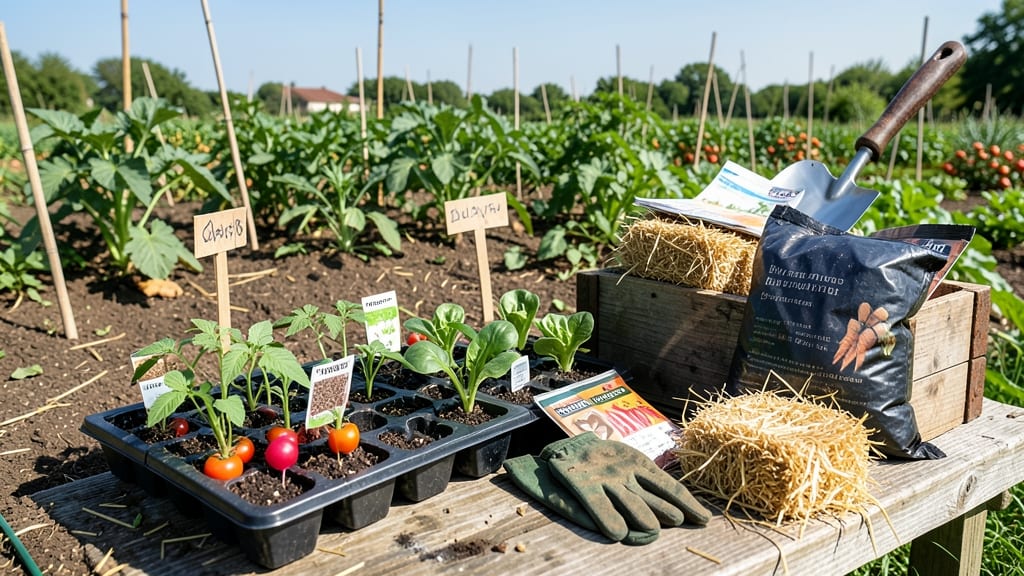
Timing your vegetable garden 🥬 in Pennsylvania can make the difference between a thriving harvest and a sad pile of frost-bitten seedlings—so getting those planting dates right is the key to success.
With USDA zones ranging from 5b to 7a, Pennsylvania’s climate throws curveballs like late frosts and unpredictable weather, but knowing the exact windows for cool-season and warm-season crops means you’ll avoid common mistakes.
I’ll break down the optimal planting schedule for everything from hardy greens to heat-loving tomatoes, including when to start seeds indoors and how to adjust for your specific region—whether you’re in Pittsburgh or Philadelphia.
By the end, you’ll have a foolproof plan to outsmart frost risks and grow a garden that’s bountiful from spring to fall.
Pennsylvania’s last frost dates by USDA Zone 5-7: exact planting windows for maximum yield
Pennsylvania spans USDA Zones 5-7, where last frost dates can vary by 2-3 weeks between northern and southern regions. In Zone 5a/5b (e.g., Erie, Scranton), the average last frost hits April 20-25, while Zone 7a (e.g., Harrisburg, Lancaster) typically sees frost-free conditions by April 10-15.
These dates dictate whether your tomatoes or peppers survive or shrivel.
Understanding these zones helps you align cool-season crops (like spinach and kale) with early planting windows, while warm-season crops (like cucumbers and beans) need to wait until soil warms to 50°F+. Miss the window, and you risk stunted growth or total crop failure.
Below is a zone-by-zone breakdown of last frost dates, planting deadlines for hardened vs. tender crops, and the 14-day rule for safe transplanting. Use this to plan your spring garden layout with confidence.
🌱
| USDA Zone | Avg. Last Frost | Plant Hardened Crops | Plant Tender Crops | Safe Transplant Date |
|---|---|---|---|---|
| 5a (Erie, State College) | April 25 | March 15-April 1 | May 10-May 25 | May 15 |
| 5b (Pittsburgh, Altoona) | April 20 | March 20-April 5 | May 1-May 15 | May 5 |
| 6a (Lancaster, Reading) | April 15 | March 25-April 10 | April 25-May 10 | April 30 |
| 6b (Philadelphia, Allentown) | April 10 | March 30-April 15 | April 20-April 25 | April 25 |
| 7a (Wilkes-Barre, Scranton) | April 5 | April 1-April 10 | April 15-April 20 | April 20 |
For Zone 5 gardeners, spinach and peas can handle light frosts, so start them 4-6 weeks before your last frost date. Meanwhile, tomatoes and peppers need soil temps above 60
How to use a 5-Week planting schedule to outsmart PA’s frost risks (with adjustable backup dates)
Timing your vegetable garden in Pennsylvania isn’t just about guessing—it’s about working with a 5-week planting schedule that accounts for frost risks and crop maturity.
Start by marking your last frost date (typically April 15 for most of PA) and counting backward for cool-season crops like spinach and kale. For warm-season crops, wait until 2-3 weeks after the last frost to plant tomatoes or peppers.
My go-to strategy is to use a succession planting calendar that aligns with PA’s 150-200 frost-free days. This means planting fast-maturing crops (like radishes in 30 days) every 2 weeks to maximize your harvest.
For slower growers (like broccoli or cabbage), stick to one planting window 4-6 weeks before your last frost.
Here’s the key adjustment for Pennsylvania’s regional differences: Philadelphia and Eastern PA (USDA Zone 6b-7a) can plant 1-2 weeks earlier than Pittsburgh or Western PA (Zone 5b-6a). Use your local agricultural extension office for hyper-local frost data—it’s a game-changer!
For urban gardeners with limited space, focus on compact varieties (e.g., bush beans instead of pole beans) and container-friendly crops like lettuce or herbs. These can be planted in smaller windows—even as late as June for a fall harvest.
Just adjust your watering schedule, as containers dry out faster in PA’s hot summers.
Pro tip: Keep a gardening journal to track your actual frost dates over the years. Pennsylvania’s climate shifts yearly, and your notes will help you refine your schedule for future seasons. Start small, stay flexible, and don’t forget—even the best-laid plans need a little frost-proofing!
🌱