
Plants
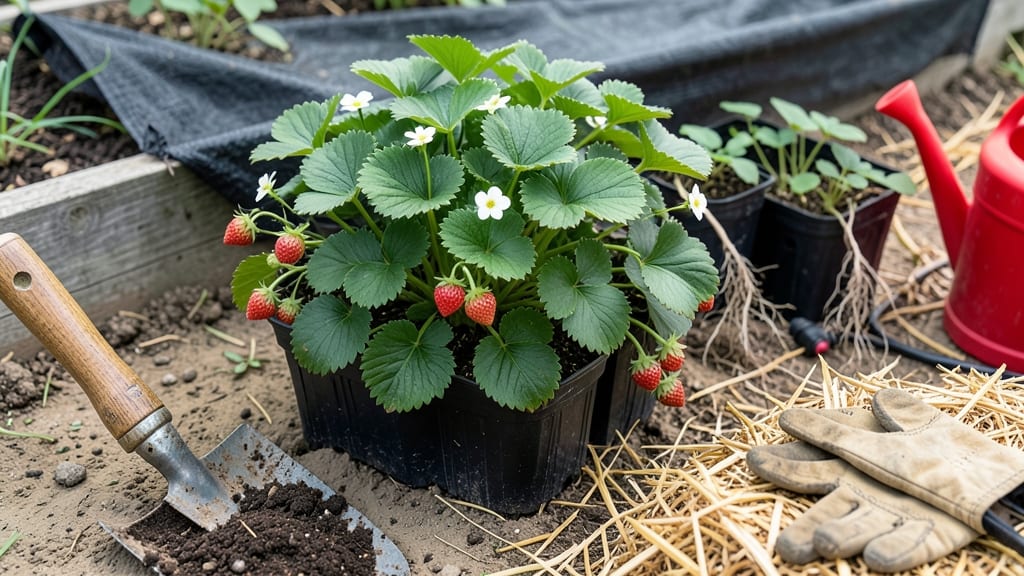
The best time to plant strawberries in Florida is all about working with the state’s unique climate to avoid heat stress and maximize sweet, juicy 🍓 harvests.
With Florida’s frost-free growing seasons spanning USDA Zones 8a-11, you’ve got more flexibility than most gardeners, but timing still matters. Skip the summer heat, and you’ll set your strawberries up for success, whether you’re in North Florida’s cooler pockets or South Florida’s tropical stretches.
I’ve grown strawberries in Florida for years, and the best times to plant—fall (September–November) and early spring (February–March)—align perfectly with the state’s natural rhythms. These windows give your plants the ideal balance of warmth and cooler temps to thrive.
Ready to grow strawberries that rival the ones at the grocery store? Let’s break down the exact planting schedule, soil prep secrets, and care tips tailored to Florida’s microclimates so you can enjoy homegrown berries year after year.
Florida’s 3 ideal strawberry planting windows by microclimate zone
Florida’s climate varies dramatically from its panhandle regions to the Keys, so one planting window doesn’t fit all. North Florida gardeners face occasional light frosts (as late as January 15), while South Florida rarely dips below 50°F.
Central Florida sits in the middle, with transition seasons that require careful timing. Let’s break down the optimal planting windows for each zone to maximize your strawberry yield.
For North Florida (USDA Zones 8a-8b), the best planting window is late summer to early fall—specifically September through November. This gives plants time to establish roots before cooler winter temperatures arrive. Early spring planting (February-March) also works well, avoiding the summer heat stress that stunts growth.
The key is avoiding extreme heat (above 90°F) during establishment.
In Central Florida (Zones 9a-9b), you can plant year-round, but the ideal windows are still September-October and February-March. The transition zone benefits from fall planting to escape summer’s intensity, while spring planting aligns with Florida’s natural rainfall patterns.
Avoid planting in July-August when temperatures often exceed 95°F.
For South Florida (Zones 10a-11), the rules relax slightly—you can plant almost anytime. However, the best windows remain September-October and January-February. The dry season (November-April) provides ideal conditions for root development, while summer planting risks heat stress and pest pressure.
Even here, avoid peak summer (June-August) for best results.
| Zone | Best Planting Window | Avoid Planting | Key Consideration |
|---|---|---|---|
| North FL (8a-8b) | Sep-Nov, Feb-Mar | May-Aug | Frost risk in winter |
| Central FL (9a-9b) | Sep-Oct, Feb-Mar | Jul-Aug | Transition seasons |
| South FL (10a-11) | Sep-Oct, Jan-Feb | Jun-Aug | Humidity & pests |
Timing isn’t just about months—it’s also about temperature thresholds. Strawberries thrive when soil temperatures stay between 60°F and 75°F during root establishment. In North Florida, this means waiting until after Labor Day (early September) to plant fall crops.
For South Florida, you can plant as early as August, but monitor soil temps closely.
Another critical factor is day length. Strawberries prefer shorter days (fall) or longer days with cooler nights (spring). Planting in late summer takes advantage of Florida’s natural cooling trend, while spring planting aligns with increasing daylight. Avoid planting during solstices (June/December) when days are either longest or shortest.
If you’re in a transition zone (Central Florida), consider staggered planting. Start with fall varieties in September, then add spring varieties in February. This extends your harvest window from April to November, giving you berries nearly year-round.
Just be prepared to mulch heavily in summer to protect roots from heat.
For container gardening in Florida, the rules are slightly different. Containers heat up faster, so plant in early fall (September) or late winter (February). Use black plastic pots to absorb heat in cooler months, but switch to light-colored containers in summer to reflect sunlight.
Always ensure drainage holes to prevent root rot in Florida’s humidity.
One common mistake is assuming “Florida = tropical” means you can plant anytime.
While South Florida’s frost-free growing season is nearly 365 days, the summer heat (above 90°F) stresses strawberries more than any other factor. Plan your planting around temperature, not just calendar months, for the best results.
Finally, choose the right strawberry varieties for your zone. Chandler and Camarosa thrive in North Florida’s cooler winters, while Seascape and Sweet Charlie handle South Florida’s heat better. Ever-bearing varieties (like Oso Grande) produce fruit in both fall and spring, making them ideal for Central Florida’s transition climate.
How to extend your Florida strawberry season using seasonal hacks
Florida’s mild winters and long growing season let you grow strawberries almost year-round—but seasonal timing still makes the difference between thriving plants and struggling yields.
With a few smart tricks, you can push your harvest windows and enjoy berries in both spring and fall, even in the same year.
For North Florida gardeners, focus on fall planting (September–November) to avoid winter freezes. In Central and South Florida, spring planting (February–March) works best, but you can also tuck in late-summer varieties for a fall harvest. The key? Shade, mulch, and irrigation to beat Florida’s heat and humidity.
🌱 Pro Tip: Use shade cloth (30–50%) during peak summer months to protect plants from heat stress while still allowing enough light for growth. This lets you plant in late summer (August) for a fall harvest in regions like Orlando or Miami.
- Fall Planting: Plant June-bearing varieties in September–October for a winter harvest before spring heat arrives. North Florida’s cooler temps (60–70°F) are ideal.
- Spring Planting: Choose everbearing or day-neutral strawberries in February–March for a spring harvest (April–June). South Florida’s warm soil speeds up germination.
- Mulch Heavily: Use 3–4 inches of straw mulch to insulate roots from heat waves and cold snaps. Replenish every 3–4 weeks to maintain moisture.
- Drip Irrigation: Water early morning (6–8 AM) to avoid fungal diseases. Use soaker hoses for deep, even moisture—critical during dry Florida summers.
- Succession Planting: Stagger plantings every 2–3 weeks in fall or spring to extend harvests by 4–6 weeks. Example: Plant half in September and half in October for continuous berries.
Don’t overlook container gardening—it’s perfect for Florida’s heat! Use black plastic pots (absorbs heat) filled with well-draining mix and place them on elevated stands to improve airflow. This lets you grow strawberries on patios or balconies in urban areas like Tampa or Jacksonville.
For North Florida, protect plants with frost cloth on cold nights (below 30°F). Even a lightweight row cover can save your crop. In South Florida, watch for heat stress—if leaves curl or turn yellow, provide afternoon shade immediately.
With these hacks, you can enjoy homegrown strawberries from late winter to early summer—or even year-round with careful planning! Start small, experiment with varieties, and soon you’ll have a Florida-friendly strawberry patch that outperforms store-bought berries. 🌱