
Plants
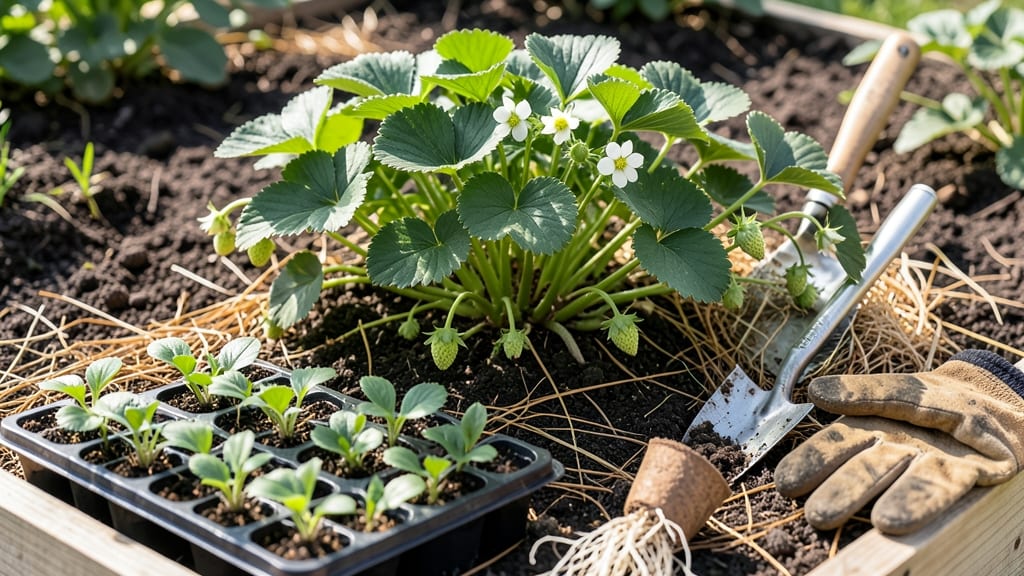
Planting strawberries in Oklahoma at the wrong time can mean the difference between a bountiful harvest and a disappointing loss to frost or heat. With June-bearing varieties needing cool spring starts and everbearing types thriving in extended seasons, getting the timing right is your key to success.
I’ve grown strawberries 🍓 here for years, and the perfect window depends on whether you’re planting in early spring or fall. Too early, and a late frost can wipe out your crop; too late, and summer’s scorching heat stunts growth before berries even form.
Let’s break down the ideal months for each variety and how to adjust for Oklahoma’s unpredictable weather.
For June-bearing strawberries, the best time is early spring—February to March—when soil temperatures hover around 50°F and frost risks are lower. Everbearing varieties, on the other hand, can handle a slightly later start in September or October, giving them time to establish roots before winter.
Whether you’re a first-time gardener or a seasoned grower, these insights will help you learn how to time your planting for the most productive harvest. Let’s dive into the details so you can enjoy sweet, homegrown strawberries all season long.
Best planting months for strawberries in Oklahoma by variety type
Oklahoma’s USDA Zones 6b-8a create a unique challenge for strawberry growers, where late spring frosts and early summer heat demand precise timing. The best planting windows depend on whether you’re growing June-bearing or everbearing varieties, each with distinct seasonal needs.
For most of Oklahoma, early spring (February-March) and fall (September-October) are the sweet spots—but regional microclimates can shift these windows by weeks.
In Zone 6a (northern Oklahoma), where frosts linger until mid-March, aim to plant June-bearing strawberries between February 15 and March 15. This gives roots time to establish before the primary fruiting window (April-June).
Meanwhile, Zone 8a (southern Oklahoma) offers a longer growing season, allowing fall plantings as late as October 15 for everbearing varieties to produce fruit before winter.
Soil temperature is your best indicator—strawberries thrive when soil reaches 40°F (4°C) but won’t survive below 20°F (-7°C). Use a soil thermometer to confirm readiness, especially in Panhandle regions, where cold snaps can occur year-round.
In Eastern Oklahoma’s humid climate, fall plantings benefit from cooler nights, reducing disease pressure.
For June-bearing varieties (e.g., Chandler, Ozark Beauty), prioritize spring planting to align with their single harvest window.
These varieties need 60-90 days of cool weather to fruit, making early spring ideal. Everbearing types (e.g., Seascape, Tristar), however, can handle fall plantings and produce fruit in both spring and fall, extending your harvest.
Here’s a quick reference for Oklahoma’s three key regions:
| Region | USDA Zone | Best Planting Window | Soil Temp Threshold | Notes |
|---|---|---|---|---|
| Northern Oklahoma | 6a | Feb 15–Mar 15 (spring) / Sep 1–15 (fall) | 40–50°F (4–10°C) | High frost risk; use row covers. |
| Central Oklahoma | 7a | Feb 20–Mar 30 (spring) / Sep 15–Oct 10 (fall) | 45–55°F (7–13°C) | Moderate heat; mulch heavily. |
| Southern/Eastern Oklahoma | 8a | Mar 1–Apr 15 (spring) / Sep 30–Oct 15 (fall) | 50–60°F (10–16°C) | Longer season; everbearing thrives. |
If you’re planting bare-root strawberries, do so as soon as soil is workable in spring—don’t wait for perfect conditions. For potted plants, extend your window by 2–4 weeks since they adapt faster to warmer soil.
In urban Oklahoma City or Tulsa, microclimates near buildings or pavement can warm soil earlier, so monitor local conditions closely.
Pro tip: Pre-warm your soil in early spring by covering beds with black plastic for 2–3 weeks before planting. This raises soil temps by 5–10°F, giving strawberries a head start in cooler zones. In fall plantings, focus on well-draining soil to prevent rot during Oklahoma’s wet autumns.
For June-bearing varieties, the last frost date is your deadline—plant too late, and you’ll miss the primary harvest window. Everbearing types offer flexibility, but they still need 6–8 weeks of cool weather to establish before summer’s heat arrives.
In Zone 8a’s southern regions, you can even try winter plantings (December) for a spring harvest, though this requires heavy mulching.
Remember, Oklahoma’s unpredictable weather means your planting window can shift yearly. Always have a backup plan, like row covers or a greenhouse, to protect young plants from late frosts (April) or early heatwaves (May)sweet, homegrown strawberries from April through September!
Best planting months for strawberries in Oklahoma by variety type
Oklahoma’s USDA Zones 6b-8a mean strawberries face late frosts in March and scorching summer heat, so timing matters. For June-bearing varieties, aim for early spring (February-March) when soil temps hit 40°F+. Everbearing types can handle fall planting (September-October) for a second harvest.
In Zone 6a (northern OK), wait until after March 15 to avoid frost damage. Zone 8a (southern OK) gardeners can plant as early as January-February since frost risks are lower. Always check your local last frost date—Oklahoma’s varies wildly!
| Variety Type | Best Planting Window | Soil Temp Threshold | Oklahoma Regions |
|---|---|---|---|
| June-Bearing | February-March | 40-45°F | All zones (avoid late frosts) |
| Everbearing | September-October | 50-55°F | Zones 7a-8a (warmer climates) |
| Day-Neutral | March-April or August-September | 45-50°F | All zones (flexible harvests) |
For June-bearing strawberries like Chandler, plant bare-root plants in February (Zone 8a) or March (Zone 6a).
These varieties produce one massive harvest in June but need 6-8 weeks of cool weather to set fruit. Everbearing types like Seascape thrive with fall planting—they fruit in spring and fall, avoiding summer’s heat stress.
Oklahoma’s Panhandle region (Zone 7b-8a) can plant earlier than eastern OK (Zone 6b-7a). Use black plastic mulch in early spring to warm soil faster and extend the season. Always space plants 12-18 inches apart for airflow and disease prevention.
If you miss the ideal window, don’t panic! Everbearing varieties can tolerate late spring planting (April) and still produce fruit, though yields may drop. For June-bearing types, a fall backup planting (September) can work in Zone 8a—just protect with row covers if frost threatens.
Pro tip: Test soil pH (5.5-6.5) before planting. Oklahoma’s clay-heavy soils often need compost or sand for drainage. Amend beds with well-rotted manure or balanced fertilizer (10-10-10) at planting time.