
Plants
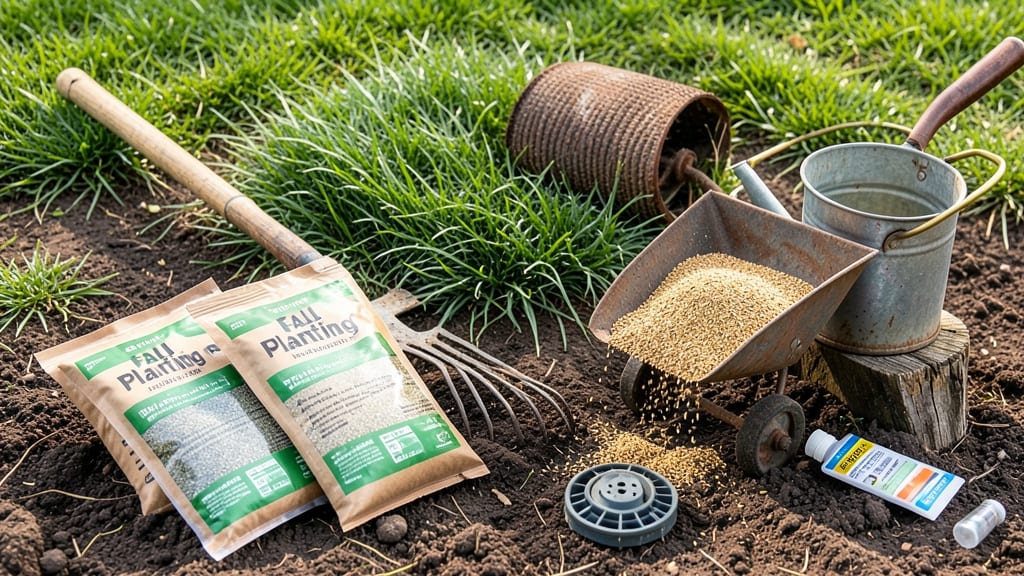
Planting grass seed in the fall can transform a patchy lawn into a lush carpet—but only if you nail the timing. The key lies in those 4-6 weeks before first frost, when cooler temps and fewer weeds create perfect conditions for your 🌱 to take root.
Why does fall work so well? Unlike spring, summer heat and weeds won’t compete with your new grass, giving it a head start. In USDA Zone 6a, that means aiming for late August to early September—just like my own lawn went from bare spots to vibrant green overnight.
But here’s the catch: planting too early or late can leave your grass vulnerable. I’ll break down the exact window for your region, plus soil prep secrets that make all the difference. Ready to grow a lawn that survives winter? Let’s get started.
You’ll also discover how to choose the right grass seed, avoid common mistakes, and keep your new turf thriving through the cold months. No guesswork—just proven results for a thicker, greener lawn next spring.
Optimal fall grass seed planting dates by US region: cool-season timeline
Fall is the golden window for planting cool-season grass seed because cooler air temperatures and warmer soil create perfect conditions for seed germination and root growth. Unlike spring planting, fall avoids summer heat stress and competition from weeds.
But timing is everything—plant too early, and weeds take over; too late, and frost stunts growth. The ideal window is 4-6 weeks before your first frost date, when soil temps hover between 50-65°F.
Your USDA hardiness zone dictates the exact timing. Northern regions (zones 3-5) should plant late August to mid-September, while Southern zones (7-10) can extend until early November.
For example, in Zone 6a (like my garden in Virginia), I aim for mid-September—just before the first hard frost. Always check your local frost calendar for precision.
Here’s how to adjust for early or late frosts: If your area has unpredictable early frosts, plant 6 weeks before the average date. If late frosts are common, push planting to early October but monitor soil temps—below 50°F slows germination.
Pro tip: Use a soil thermometer to confirm temps are in the 50-65°F sweet spot.
Regional differences matter, too. In cool maritime climates (like the Pacific Northwest), you can plant later into October thanks to milder winters. Meanwhile, dry inland zones (e.g., Colorado) may need to plant earlier in August to avoid autumn drought. Always match your schedule to your local climate patterns.
Now, let’s break down the exact planting windows by region with this comparison table to help you pinpoint your best time:
| USDA Zone | Region | Ideal Planting Window | Soil Temp Range (°F) | Notes |
|---|---|---|---|---|
| 3-5 | Northeast, Midwest, Northern Plains | Late August–Mid-September | 50-60°F | Early frost risk; prioritize weed control. |
| 6-7 | Mid-Atlantic, Southeast, Midwest | Mid-September–Early October | 55-65°F | Balanced window; monitor humidity. |
| 8-9 | Southwest, Southern California, Gulf Coast | Early October–Mid-November | 60-70°F | Later window; watch for late-season drought. |
| 10+ | Florida, Hawaii, Southern Arizona | November–Early December | 65-75°F | Extreme heat tolerance; minimal frost risk. |
For Zone 6a gardeners like me, mid-September is my target—when daytime highs dip to 75°F and nights cool to 55°F. I test soil temps with a digital thermometer to confirm they’re above 50°F.
If temps drop below 45°F, germination stalls, and your seed money goes to waste. Pro move: Use a black plastic mulch to keep soil warm if temps flirt with the lower limit.
Don’t overlook microclimates within your yard. South-facing slopes warm faster and can handle later planting, while low-lying areas may need an earlier start. I’ve seen shady spots (like under trees) benefit from earlier August planting to compensate for slower warming.
Always scout your yard for these variations before setting your calendar.
Once you’ve locked in your planting window, focus on soil prep and seed selection. Cool-season grasses like tall fescue and Kentucky bluegrass thrive in fall, but their germination rates drop if soil temps are too cold.
Aim for 6.0-7.0 pH and loosen the top 2-3 inches of soil to encourage root penetration. A light raking removes debris and creates a smooth seedbed.
Finally, weatherproof your schedule. If a heatwave hits in early fall, delay planting until temps stabilize. Similarly, if prolonged rain is forecasted, wait until skies clear to avoid waterlogged soil.
Flexibility is key—adjust your timeline based on real-time conditions, not just averages. With the right timing, your fall-planted grass will outperform spring plantings by establishing deeper roots before winter.
🌱
Pre-planting checklist: soil, weather, and seed selection for fall success
Before you spread that first bag of grass seed, your lawn’s success hinges on three critical prep steps: soil health, weather timing, and seed variety.
Skipping any of these can turn your fall project into a winter struggle. Let’s break down what to do—and when—to set your grass up for a lush, resilient start.
First, test your soil pH at least 2 weeks before planting. Cool-season grasses thrive in a 6.0-7.0 pH range. If your soil is too acidic (below 6.0), add lime; if alkaline (above 7.0), mix in sulfur or peat moss.
This isn’t just guesswork—it’s the difference between 10% germination and 90%.
✅ Pre-Planting Checklist
- Test soil pH (aim for 6.0-7.0)
- Remove weeds (hand-pull or herbicide 1-2 weeks before planting)
- Loosen compacted soil (aerate or till to 3-4 inches deep)
- Choose cool-season seed (tall fescue, Kentucky bluegrass, or ryegrass)
- Check 7-day forecast (avoid planting before rain or frost)
Next, tackle weeds—they’re your grass’s biggest competitor. Use a pre-emergent herbicide 1-2 weeks before planting to stop weed seeds from sprouting. For organic gardens, hand-pull weeds or smother them with cardboard mulch for 2 weeks prior. Pro tip: Don’t till if weeds are deep-rooted; you’ll just spread their seeds.
Now for the seed selection. Not all grass is created equal! Cool-season grasses like tall fescue and Kentucky bluegrass dominate fall planting, while warm-season grasses (like Bermuda) should wait for spring.
Mixing two varieties (e.g., fescue + bluegrass) creates a thicker lawn faster. Check the seed bag for germination rates—aim for 85%+ to avoid patchy results.
Finally, monitor the weather like a hawk. Plant when daytime temps hover between 60-75°F and nighttime temps stay above 50°F. If a hard frost is forecast within 4-6 weeks, delay planting until conditions stabilize.
Use a soil thermometer to confirm temps are ideal—55-65°F at 4 inches deep is perfect for seed germination.
With these steps nailed, your grass seed will germinate faster, outcompete weeds, and establish roots deep enough to survive winter. The key? Prep early, plant smart, and stay patient—your lawn will thank you next spring. 🌱