
Plants
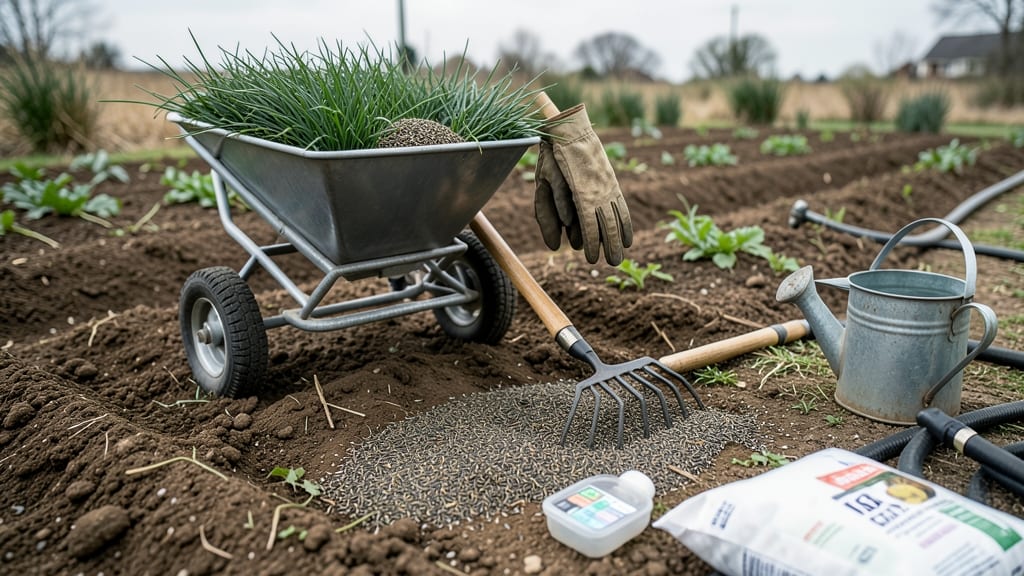
Planting grass seed in Ohio at the wrong time can leave you staring at patchy, weak lawns for months—especially when you’ve already invested in quality seed.
The key to a thick, resilient lawn isn’t just what you plant, but when you plant it, and late summer turns out to be the game-changer for Ohio’s 6a-6b climate.
Most gardeners focus on spring, but the real secret lies in late summer—between August and September. Why? Because cooler soil temperatures and increased rainfall give grass seedlings the perfect conditions to establish deep roots before winter hits.
This means less stress, faster germination, and a lawn that stays green longer.
If you’ve ever wondered why some lawns thrive while others struggle, it often comes down to timing. I’ll break down exactly how to align your planting schedule with Ohio’s weather patterns, from soil prep to avoiding common mistakes that derail even the best-laid plans.
Ready to transform your lawn? Let’s dive into the science-backed window that could save you time, money, and frustration—starting with the ideal late-summer dates for your specific Ohio region.
Ohio’s ideal grass seed planting window: late summer calendar guide
Ohio’s climate zones (6a-6b) create a narrow but critical window for planting grass seed—late summer is the golden period when soil stays warm enough for germination but cools before winter. This August–September window gives seeds 6-8 weeks to establish deep roots before frost, ensuring a thicker, drought-resistant lawn by spring.
Unlike spring planting, late summer avoids competition from weeds and heat stress on young seedlings. The USDA recommends planting when daytime highs hover between 60°F–75°F, with nighttime lows above 50°F. In Ohio, this typically aligns with mid-August to early October, depending on your region.
Northern Ohio (e.g., Toledo, Cleveland) should aim for late August, while southern Ohio (e.g., Columbus, Cincinnati) can extend planting into early October. Always check your local frost dates—planting 4–6 weeks before the first frost ensures roots harden before winter.
| Timeframe | Soil Temp | Rainfall Goal | Key Action |
|---|---|---|---|
| Late August | 60°F–70°F | 1–1.5 inches/week | Test soil moisture; prep seedbed |
| Early September | 65°F–75°F | 1–2 inches/week | Plant seeds; mulch lightly |
| Mid-September | 60°F–68°F | 0.75–1 inch/week | Monitor germination; reduce watering |
| Early October | 55°F–60°F | 0.5–1 inch/week | Apply light fertilizer; prep for frost |
Ohio’s unpredictable rainfall means checking weekly weather forecasts is key. Aim for 1–2 inches of rain per week after planting, or supplement with early-morning watering to avoid fungal issues. If drought hits, reduce watering frequency but keep soil moist—never let it dry out completely.
For overseeding existing lawns, late summer is ideal because warm soil speeds up germination. Choose cool-season grasses like Kentucky bluegrass or tall fescue, which thrive in Ohio’s climate. These varieties establish 30–50% faster in late summer than in spring.
Pro tip: Use a soil thermometer to confirm temps are above 55°F before planting. If nights dip below 50°F, delay until conditions improve. This simple tool saves weeks of frustration from slow or failed germination.
Northern Ohio’s shorter growing season demands earlier planting (by August 15), while southern Ohio can push to September 30. Always prioritize root establishment over speedfreeze-thaw cycles and summer droughts.
After planting, avoid heavy foot traffic for 4–6 weeks to protect tender seedlings. A light straw mulch (¼ inch thick) helps retain moisture and insulate seeds from temperature swings—a must in Ohio’s variable autumn weather.
By planting in late summer, you’ll skip the weed competition of spring and give your grass a head start before winter. With the right timing, your Ohio lawn can go from bare patches to lush green in just 6–8 weeks—without the stress of summer heat or spring rains.
Ohio’s ideal grass seed planting window: late summer calendar guide
Ohio’s climate zones (6a-6b) create a narrow window for planting grass seed, but timing it correctly means the difference between a thick, drought-resistant lawn and a patchy failure.
The best time to plant grass seed in Ohio is late summer—specifically August through early September—when soil stays warm enough for germination but temperatures begin cooling, reducing stress on young seedlings.
This period aligns with Ohio’s rainfall patterns, offering consistent moisture without the intense heat of summer or the early frost risks of fall. Grass seeds planted now have 6-8 weeks to establish deep roots before winter dormancy, giving them a head start for spring growth.
For northern Ohio, aim for early August, while southern Ohio can extend planting until mid-September.
| Timeframe | Soil Temp | Rainfall | Key Benefit |
|---|---|---|---|
| Early August | 65–75°F (18–24°C) | Moderate (1–1.5" weekly) | Warm soil for quick germination |
| Mid-August | 60–70°F (15–21°C) | Consistent (1–2" weekly) | Balanced heat/moisture for root growth |
| Early September | 55–65°F (13–18°C) | Higher (1.5–2" weekly) | Cooler temps reduce drought stress |
If you miss late summer, early spring (March–April) is your second-best option, but rush to plant before Ohio’s average last frost (April 15). Spring planting requires vigilance against weed competition and drying winds, but it’s still effective for cool-season grasses like Kentucky bluegrass and tall fescue.
Avoid planting in late fall (October–November)—seeds won’t have time to root before frost.
For overseeding existing lawns, late summer is ideal too. The heat of summer weakens old grass, allowing new seeds to compete for space. Use a slit seeder to bypass the thatch layer and ensure seed-to-soil contact.
Pair this with a light mulch (straw) to retain moisture and block weeds. Monitor local 10-day forecasts for rain—you want 1–1.5 inches of rain within the first week of planting.
Ohio’s microclimates can shift ideal dates by 1–2 weeks. Urban areas like Columbus may stay warmer longer, while rural northeast Ohio (e.g., Cleveland) cools faster. Check the Ohio State University Extension for hyperlocal advice—their climate maps show frost dates and soil conditions by county.
For example, Toledo’s last frost is April 20, while Athens’ is April 5.
Once planted, consistent watering is critical. Keep soil moist but not soggy for the first 2–3 weeks, then taper to 1–1.5 inches per week. Avoid overwatering, which can wash seeds away or cause fungal diseases.
By late October, your new grass should be 3–4 inches tall and ready to handle winter dormancy. With the right timing, your lawn will outperform neighbors’ by next spring.