
Planting
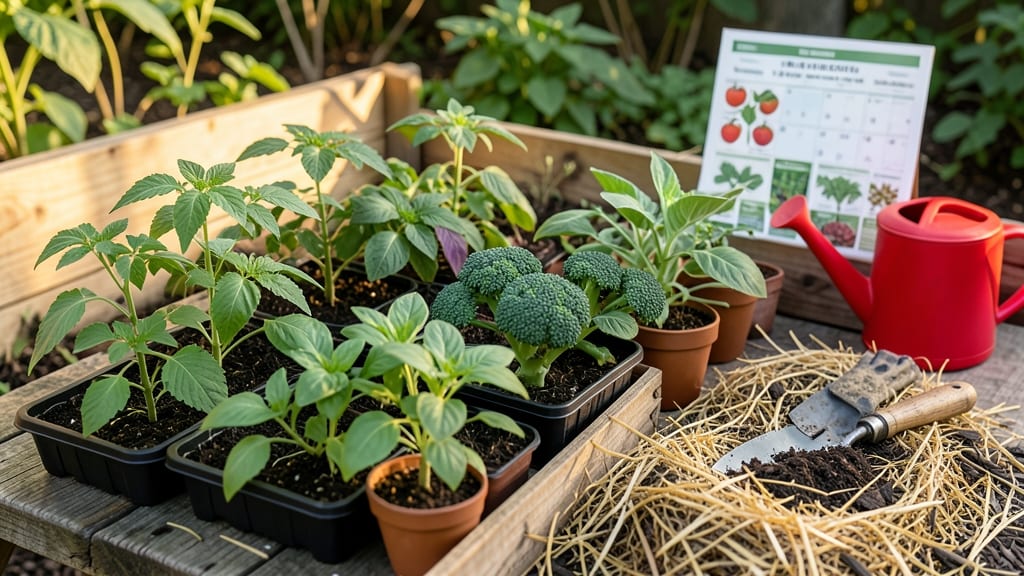
Timing your garden planting in Virginia can make the difference between a bumper crop and a sad, wilted disappointment—especially when you’re dealing with Zone 7b’s tricky frost dates and heat spikes.
Whether you’re dreaming of juicy tomatoes or fragrant herbs, getting the schedule wrong means your 🌱 seedlings might bolt before they even get a chance to thrive.
Most gardeners in Virginia’s Piedmont and coastal regions wait until mid-April to early May for the last frost to pass, but that’s just the starting point. The real challenge? Adjusting for your exact microclimate—whether you’re in the Shenandoah Valley’s cooler pockets or Norfolk’s warmer coastal breeze.
I’ll break down the exact windows for cool-season and warm-season crops so you can avoid the common pitfalls of planting too soon or too late.
Here’s the secret: Virginia’s frost dates shift year to year, and even a few weeks can mean the difference between thriving plants and a failed harvest. I’ll share how to use frost-free calculators, protect tender seedlings, and pick the fastest-maturing varieties for your zone.
No more guessing—just a foolproof plan tailored to Virginia’s quirks.
Ready to transform your garden from a gamble into a guaranteed success? Let’s dive into the exact planting schedule that’ll have your garden flourishing all season long.
Virginia’s 2024 last frost dates by region (Zone 7b guide)
Virginia’s Zone 7b climate creates a delicate balance between early springs and late frosts, making frost dates your garden’s most critical calendar.
The last spring frost typically arrives between March 15 and April 30, while the first fall frost hits October 15 to November 15, depending on your region. These dates separate thriving gardens from failed harvests.
For example, Richmond usually sees its last frost around March 25, while Roanoke holds onto cold air longer, often until April 10. Coastal areas like Norfolk can be 1-2 weeks earlier than inland zones.
Understanding these variations helps you time cool-season crops like lettuce and warm-season crops like tomatoes perfectly.
Microclimates add another layer of complexity. The Shenandoah Valley, for instance, tends to have earlier last frosts due to its higher elevation, while Tidewater Virginia near the coast enjoys milder winters. Always check local frost-free date calculators and adjust your planting schedule accordingly.
Historical data shows that 2023’s last frost in Virginia arrived 7-10 days earlier than average in some areas, thanks to warming trends. This means your 2024 planting window might shift earlier too. Use these regional averages as a starting point, but stay flexible—Mother Nature often has other plans.
Here’s how to use these dates: Cool-season crops like broccoli and peas should go in 4-6 weeks before your last frost, while warm-season crops like tomatoes and peppers need to wait until 2 weeks after.
Fall planting follows the reverse logic, with cool-season crops sown 6-8 weeks before your first frost.
| Region | Avg. Last Spring Frost | Avg. First Fall Frost | Notes |
|---|---|---|---|
| Northern VA (e.g., Winchester) | April 5–15 | October 25–November 5 | Cooler microclimates; extend season with row covers. |
| Central VA (e.g., Charlottesville) | March 25–April 5 | October 15–25 | Moderate climate; ideal for succession planting. |
| Shenandoah Valley | March 20–April 2 | October 10–20 | Earlier frosts; plant heat-lovers early. |
| Richmond Area | March 25–April 5 | October 20–30 | Urban heat island effect; frosts may be delayed. |
| Tidewater (e.g., Norfolk) | March 15–25 | November 1–15 | Milder winters; longer growing season. |
To adjust for early or late years, monitor local weather forecasts and use frost-sensitive plants like coleus as natural indicators. If your coleus leaves survive overnight, the danger of frost has likely passed. For extra safety, invest in frost cloths or row covers to protect tender seedlings.
Pro tip: Plant fast-maturing varieties like bush beans (50–60 days) or radishes (25–30 days) to hedge against late frosts. These crops give you a quick harvest window while you wait for the soil to warm up for heat-lovers like peppers and eggplants.
Don’t forget to account for soil temperature, which should ideally be 60°F+ for warm-season crops. Use a soil thermometer to check—cold soil can stunt growth even after the last frost. In Zone 7b, aim to plant warm-season crops by May 1 for best results.
For fall planting, start cool-season crops like kale and carrots in late July to early August. These crops thrive in cooler weather and can even sweeten up after a light frost. Just avoid planting too close to the first frost,
Best planting schedule for Virginia gardens: cool vs. warm season crops
Virginia’s Zone 7b climate lets you grow both cool-season crops and warm-season crops, but timing is everything. Cool-season plants like spinach, broccoli, and peas thrive in spring and fall, while tomatoes, peppers, and cucumbers need warm soil and air to sprout.
Planting at the wrong time can lead to stunted growth or total failure.
For cool-season crops, start seeds indoors 6-8 weeks before your last frost date (typically mid-March to early April).
Transplant seedlings 2-4 weeks before the last frost—usually late March to early May—to avoid frost damage. Warm-season crops should wait until after the last frost (usually mid-April to early May) and soil temperatures reach 60°F+.
Here’s my month-by-month planting guide for Virginia’s Zone 7b, broken down by crop type:
Succession planting is key in Virginia’s short growing season. For example, plant lettuce every 2 weeks from April to September to avoid gaps in harvest. Warm-season crops like tomatoes and peppers should be replaced with fall crops by late July to maximize your garden’s potential.
Pro tip: Use fast-maturing varieties (like ‘Early Girl’ tomatoes or ‘Bush Blue Lake’ beans) to squeeze in extra harvests. And always check soil temperatures—a soil thermometer is your best friend for avoiding failed plantings.
🌱