
Plants
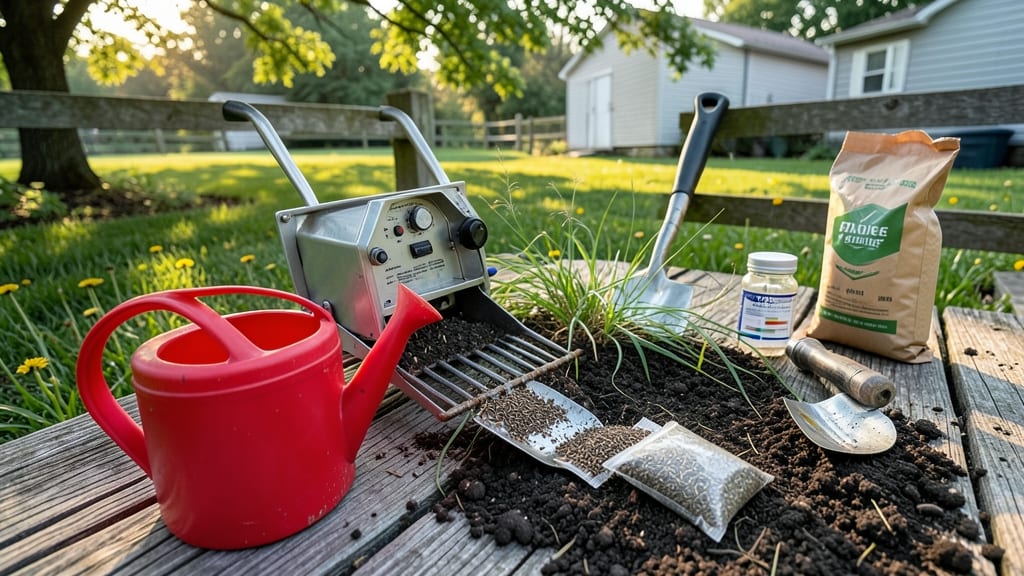
Planting grass seed in North Carolina at the wrong time can mean thin patches and wasted money—but getting the timing right guarantees thick, green growth that lasts all season.
The secret isn’t just waiting for spring; it’s understanding when your soil warms up and the frost-free window opens in your specific corner of the state.
Whether you’re in the Coastal Plain, Piedmont, or the Mountains, the ideal planting window shifts based on soil temperature and microclimates. Too early, and cold snaps will stall germination.
Too late, and summer heat stresses young seedlings. I’ll break down the exact 60-75°F soil temperature rule and how to adjust for your region’s unique conditions.
You’ll also discover how to prep your soil for maximum success—whether you’re dealing with clay-heavy Piedmont dirt or sandy Coastal soils. Plus, I’ll share the best grass seed varieties for NC’s humid summers and mild winters, so you can pick the perfect match for your lawn’s challenges.
Ready to transform your patchy yard into a lush carpet? Let’s dive into the best planting windows, soil prep secrets, and regional tips that’ll have your grass thriving in no time.
North Carolina’s ideal grass planting windows by soil temperature & region
North Carolina’s diverse climate—from the humid Coastal Plain to the cooler Mountains—means your perfect planting window depends on where you live. The golden rule? Plant when soil temperatures hit 60–75°F and after the last frost.
For most of NC, this lands in early spring (March–April) or early fall (August–September), but regional tweaks matter.
In the Coastal Plain (e.g., Wilmington, Fayetteville), milder winters let you start as early as February if soil warms fast. Meanwhile, the Mountains (Asheville, Boone) may wait until late April due to lingering frost. Even within these zones, microclimates—like shaded yards or south-facing slopes—shift deadlines by weeks.
🌱
| Region | Ideal Planting Window | Soil Temp Goal | Last Frost Avg | Key Consideration |
|---|---|---|---|---|
| Coastal Plain | Feb 15–Mar 31 | 60–70°F | Feb 15–Mar 1 | Humidity speeds germination; watch for fungal risks. |
| Piedmont | Mar 15–Apr 30 | 65–75°F | Mar 15–Apr 1 | Hot summers favor drought-resistant varieties like tall fescue. |
| Mountains | Apr 15–May 15 | 60–70°F | Apr 15–May 1 | Cooler temps delay germination; extend watering schedule. |
| All Regions (Fall) | Aug 15–Sep 30 | 70–75°F | N/A (post-summer heat) | Avoid planting after September 15 in Piedmont/Mountains to prevent frost damage. |
Fall planting is a hidden gem in NC—cooler air reduces weed competition, and grass establishes roots before winter. Aim to finish by September 15 in the Piedmont and October 1 in the Coastal Plain to avoid early frosts.
My Mountains garden thrives with fall-sown tall fescue because it outpaces spring weeds.
Missed the window? Don’t panic. If soil temps hit 60°F in May, you can still plant, but expect slower germination. For late-season planting, choose fast-germinating seeds like annual ryegrass and boost watering to daily for the first 3 weeks.
Pro tip: Use a soil thermometer (available at garden centers for ~$10) to confirm temps before planting. I’ve seen March soil in Raleigh read 55°F one morning and 70°F the next—wait for consistency!
🌡️
For shady lawns (common in the Mountains), extend your window by 2 weeks—cooler soil stays damp longer, aiding germination. Pair shade-tolerant seeds like fine fescue with a thicker layer of compost (3–4 inches) to improve moisture retention.
🌿
How to check soil warmth & prepare for planting success in NC
North Carolina’s soil temperature is the #1 factor determining when to plant grass seed—too cold, and seeds rot; too hot, and they dry out. Aim for 60-75°F at 4 inches deep, the ideal range for germination. Coastal areas hit this earlier than the Mountains, so adjust your schedule accordingly.
Start by testing your soil with a soil thermometer (available at garden centers for ~$10). Insert it into the ground after a light rain or morning dew—moisture helps conduct accurate readings.
Check temperatures daily for a week to spot trends, especially if you’re planting in late spring or early fall.
For clay-heavy soils common in the Piedmont, loosen the top 2-3 inches with a rake or tiller to improve aeration. Sandy soils in the Coastal Plain? Mix in compost to retain moisture. Both soil types benefit from a starter fertilizer (high in phosphorus) to jumpstart root growth.
Planting after August 15 in the Piedmont or September 15 in the Mountains risks fungal diseases from fall rains. If you must plant later, choose drought-resistant varieties like tall fescue and water deeply but infrequently to avoid overhead moisture.
Clear debris like leaves and thatch before planting—even a thin layer can block sunlight and moisture. Use a lawn roller to press seed into the soil lightly, ensuring good seed-to-soil contact. For large areas, a broadcast spreader ensures even coverage, while hand-spreading works for small patches.
After planting, cover the area with straw mulch (not hay—it contains weed seeds). This keeps soil moist and protects seeds from birds. Water lightly but frequently—aim for ¼ inch daily for the first 2 weeks, using a sprinkler with fine mist to avoid dislodging seeds.
Monitor your lawn for even moisture and uniform sprouting. If germination slows after 2 weeks, check for soil compaction or pests like birds or insects. Adjust watering or apply a light layer of compost to encourage faster growth.