
Planting
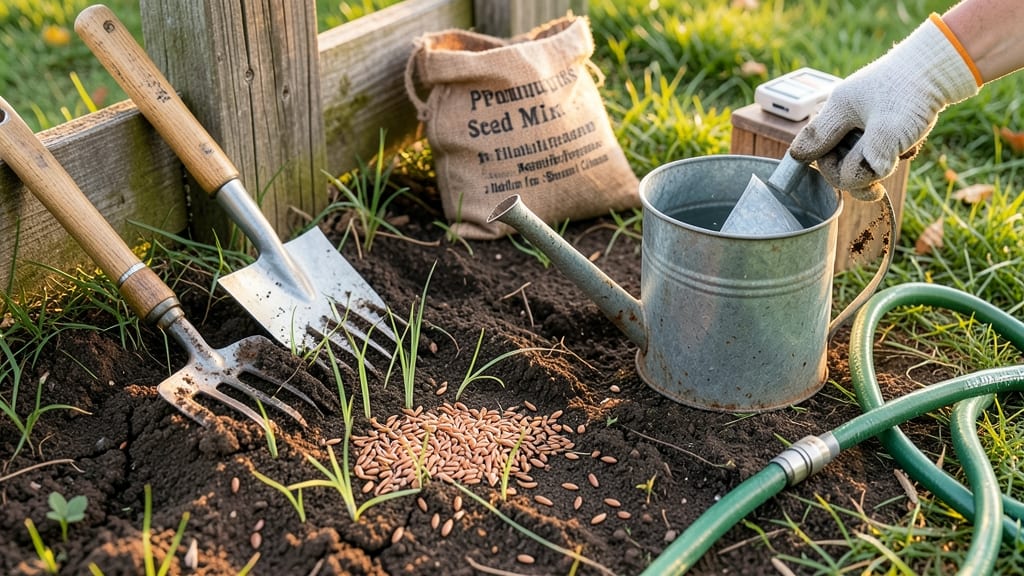
Timing your grass seed planting in North Carolina can make the difference between a lush, green lawn and months of patchy frustration—so getting the soil temperature and frost-free window just right is everything.
If you've ever poured seed into the ground only to watch it struggle or wash away, you know how critical the right window is. The key lies in understanding your region's unique climate—whether you're in the Coastal Plain, Piedmont, or Mountains—because what works in Raleigh might fail in Asheville.
I'll walk you through the ideal planting months for both cool-season and warm-season grasses, plus how to prep your soil for maximum success. With these strategies, you'll avoid common pitfalls and give your 🌱 new lawn the best possible start.
Ready to skip the guesswork? Let's dive into the exact steps to plant your grass seed when it matters most—before the heat or frost ruins your chances.
Ideal soil temperature ranges for grass seed germination in North Carolina
North Carolina’s diverse climate—from the Coastal Plain to the Mountains—means soil temperatures vary wildly, even within the same county. For your grass seed to germinate successfully, you need to plant when the soil is in the optimal temperature range for your grass type.
Cool-season grasses like Tall Fescue and Kentucky Bluegrass thrive in cooler soil, while warm-season varieties like Bermuda and Zoysia need warmer conditions. Getting this wrong can delay germination by weeks or even months.
Most grass seeds won’t germinate until the soil reaches at least 55°F, but the sweet spot for cool-season grasses is between 50°F and 65°F. Warm-season grasses, on the other hand, need soil temperatures between 65°F and 75°F to sprout efficiently.
Testing your soil temperature is easier than you think—just use a soil thermometer (available for under $10) or check the NC State Extension’s weekly soil temperature reports for your region.
Here’s the catch: North Carolina’s Piedmont region often hits ideal cool-season temps in early March or April, while the Mountains might still be too cold until late spring. Meanwhile, the Coastal Plain can warm up faster, especially in microclimates near bodies of water. Always double-check local conditions before planting.
🌱
| Grass Type | Ideal Soil Temp | Best NC Planting Window | Regional Note |
|---|---|---|---|
| Cool-Season (Tall Fescue, Kentucky Bluegrass) | 50°F–65°F | Early Spring (March–April) or Early Fall (August–September) | Mountains: Wait until late April; Coastal: Can plant as early as February. |
| Warm-Season (Bermuda, Zoysia, Centipede) | 65°F–75°F | Late Spring (May–June) | Piedmont: Ideal by May 1; Coastal: Can start as early as April. |
| Ryegrass (Temporary Cover) | 40°F–60°F | Fall (October–November) | Works in all NC zones; germinates faster than cool-season grasses. |
If you’re unsure about your soil temperature, here’s a quick trick: Stick a soil thermometer in the ground (about 2 inches deep) for 10 minutes. If it reads below 55°F, wait a few more days—especially if you’re planting cool-season grasses.
For warm-season varieties, aim for 65°F or higher before seeding. Pro tip: Morning is the best time to check, as soil temps are cooler and more accurate.
Another critical factor is soil moisture. Grass seeds need consistent moisture to germinate, but soggy soil can lead to rot. If your soil feels dry, water it thoroughly 24 hours before planting and keep it moist (not waterlogged) until germination.
In North Carolina’s summer heat, this means watering daily for the first two weeks after seeding.
Don’t overlook microclimates—your backyard might be warmer or cooler than the general forecast. South-facing slopes warm up faster, while shaded areas stay cooler.
If you’re in a shady spot, opt for shade-tolerant grasses like Fine Fescue or St. Augustine, and plant in early fall when temps are milder.
Finally, if you’re planting in late summer or early fall, monitor your soil’s cooling trend. Once temps drop below 50°F, cool-season grasses may struggle to establish roots before winter.
Use a lightweight row cover or mulch to insulate the soil and extend the growing season by a few weeks.
✂️
North Carolina frost-free window: best planting months by grass type
North Carolina's frost-free window varies dramatically from the Coastal Plain to the Mountains, so knowing your region's last and first frost dates is key to planting success.
For most of the state, the ideal planting window falls between March and April for cool-season grasses and August to September for warm-season varieties.
Cool-season grasses like Tall Fescue and Kentucky Bluegrass thrive when planted 6-8 weeks before the first frost, which typically lands in early November for most of NC.
Warm-season grasses like Bermuda and Zoysia, on the other hand, need soil temperatures above 65°F and should be sown after Memorial Day to avoid heat stress.
Here’s how your region’s frost-free window impacts planting:
| Region | Last Frost (Avg.) | First Frost (Avg.) | Best Planting Window |
|---|---|---|---|
| Coastal Plain (Zone 8a-8b) | Feb 15 | Oct 15 | Mar-Apr or Aug-Sept |
| Piedmont (Zone 7a-7b) | Mar 1 | Nov 1 | Mar-Apr or Aug-Sept |
| Mountains (Zone 6a-6b) | Mar 15 | Nov 15 | Mid-Apr or Late Aug |
Planting too early can lead to seed washout from spring rains, while late planting risks heat stress or dormancy before roots establish. For example, Bermuda grass planted in May in the Piedmont may struggle to germinate if soil stays below 70°F for too long.
If you miss the ideal window, don’t panic—late August is still a great time for cool-season grasses, and early September can work for warm-season types in the Coastal Plain. Just be prepared for slower establishment as temperatures drop.
For microclimates like valleys or south-facing slopes, you can push planting 1-2 weeks earlier since these areas warm up faster. Always check a local frost calendar or use a soil thermometer to confirm conditions before planting.