
Plants
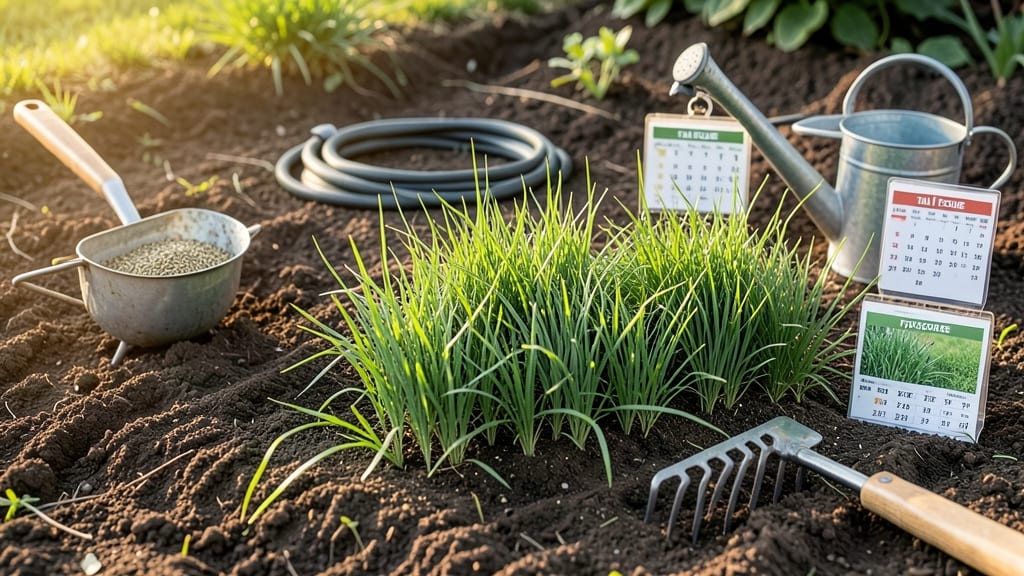
Planting grass seed in Connecticut at the wrong time can leave you staring at a patchy, struggling lawn instead of the lush green carpet you dream of. The secret to success? Timing it just right—when the weather works with your grass, not against it.
Most gardeners assume early spring is the only window, but late summer—specifically August through early September—holds the real advantage for Connecticut’s 5b-6b climate. This window lets your 🌱 grass seed establish strong roots before winter frost hits, giving you a head start on next year’s lawn.
It’s a game-changer for avoiding the heat stress of summer planting while still beating the first frost.
Whether you’re dealing with coastal breezes or inland heat, understanding your local microclimate is key. Coastal areas might have slightly milder conditions, while inland spots can dry out faster—both factors that affect when you should grab that seed bag.
I’ll walk you through the exact steps to prep your soil, choose the right seed, and keep your lawn thriving through the critical early weeks.
Ready to skip the guesswork and plant with confidence? Let’s dive into the best times, tools, and tricks to turn your Connecticut yard into the envy of the neighborhood—starting with that perfect late-summer window.
Optimal planting windows for Connecticut grass seed: late summer vs. early fall timing
Connecticut’s variable climate—from coastal breezes to inland humidity—makes timing your grass seed planting the key to success. While early spring is popular, late summer to early fall (August through September) offers cooler soil temperatures and fewer weeds, giving seedlings a fighting chance before winter.
The secret? Planting 4-6 weeks before Connecticut’s first frost (typically mid-October), allowing roots to establish without summer heat stress.
For coastal areas like New Haven or Groton, aim for early September to avoid early frosts. Inland regions like Hartford or Litchfield can push planting to mid-October, but soil temps must stay above 50°F for germination.
Missing this window? Spring planting is your backup—but expect slower growth and more weed competition.
Here’s why late summer wins: Soil warmth (60-75°F) speeds germination, while shorter days reduce water evaporation. Plus, fewer weeds compete with seedlings, giving your lawn a stronger start. Skip summer planting—heat stress and drought can kill seedlings before they take root.
Connecticut’s microclimates matter—coastal areas (like Stamford) stay milder longer, while inland zones (like Torrington) face earlier frosts. Check your USDA Zone (5b-6b) and local frost dates to fine-tune timing. Pro tip: Use a soil thermometer to confirm temps are ideal before planting.
For cool-season grasses (Kentucky bluegrass, fine fescue), late summer is perfect—they’ll establish roots before winter and green up early next spring. Warm-season grasses (Bermuda, zoysia) should be planted in May-June instead, as they struggle in Connecticut’s cold winters.
Don’t wait until October’s last week—seedlings need time to root before frost. If you miss late summer, spring planting is your next best bet, but be prepared for weed battles and slower growth. For fastest results, late August to early September is your golden window.
Ready to plant? Start with a soil test to check pH (ideal: 6.0–7.0) and loosen compacted soil with a core aerator. Choose Connecticut-adapted seed mixes like tall fescue or perennial ryegrass for durability.
Timing isn’t just about months—it’s about weather patterns. Track 7-day forecasts for steady temps and light rain in the days after planting. With the right window, your lawn will outcompete weeds and thrive all season long.
🌱
Optimal planting windows for Connecticut grass seed: late summer vs. early fall timing
Connecticut’s variable climate—with USDA zones 5b-6b—demands precision when planting grass seed. While early spring (March-April) is a classic window, late summer to early fall (August-September) often yields better results.
This period allows seedlings to establish deep roots before winter frost, giving you a thicker, more resilient lawn by spring.
The ideal planting window is 4-6 weeks before Connecticut’s first frost (typically mid-October). For most regions, this means mid-August to early September. Coastal areas may extend slightly later due to milder temperatures, while inland zones should plant earlier to avoid early frost risks.
Timing aligns with soil temperatures dropping below 50°F, which slows germination.
Here’s why late summer works best: Warmer soil speeds up germination, while cooler air reduces stress on young plants. Additionally, weed competition is lower in late summer compared to spring, giving your grass a head start.
Avoid planting in July or early August—intense heat and drought stress can kill seedlings before they establish.
Connecticut’s microclimates play a role in timing. Coastal areas (like New London) can plant 1-2 weeks later due to milder winters, while inland regions (like Hartford) should start earlier to avoid early frost.
Check your local frost date averages—the Connecticut Agricultural Experiment Station provides updated forecasts. Pro tip: Aim for 60-70°F soil temps for optimal germination.
If you’re overseeding an existing lawn, late summer is ideal because established grass provides shade for seedlings, reducing stress. For new lawns, combine late-summer planting with proper soil prep (aeration, compost) to maximize success. Mulch lightly after planting to retain moisture and protect seedlings from temperature swings.
Remember: Consistency is key. Even the best timing fails without regular watering (deep soaks daily for 2 weeks) and proper fertilization. Late-summer planting rewards patience with a hardier lawn that outlasts spring-planted competitors. Start your timer—your future lawn will thank you!