
Plants
Minnesota’s safe planting dates by crop type: hard frost to harvest timelines
Minnesota’s USDA Zone 4B/5A climate demands precision when planting—one late frost can wipe out tender seedlings in minutes. The average last frost date hovers around May 15 in most regions, but northern areas like Duluth may wait until June 1.
Southern cities like Rochester often see frost-free conditions by May 1. Always check the MN State Climatology Office for your specific county’s 10-year averages.
For cool-season crops like peas, spinach, and kale, you can start as early as late April under row covers or in a cold frame. These hardy plants tolerate light frosts and can even thrive in 30°F soil.
Warm-season crops like tomatoes, peppers, and squash, however, need to wait until the soil temperature reaches 60°F—typically after June 1 in most areas.
Here’s a quick reference for key planting windows based on Minnesota’s climate zones:
| Crop Type | Planting Window (Zone 4B/5A) | Harvest Window | Notes |
|---|---|---|---|
| Cool-Season Vegetables (Peas, Spinach, Lettuce) | Late April – Early May | June – August | Tolerates frost; succession plant every 2 weeks. |
| Warm-Season Vegetables (Tomatoes, Peppers, Cucumbers) | After June 1 (soil 60°F+) | July – September | Use row covers for early starts; transplant seedlings. |
| Root Crops (Carrots, Beets, Radishes) | Mid-May – Early June | July – September | Direct sow; avoid rocky soil for carrots. |
| Fall Crops (Kale, Brussels Sprouts, Garlic) | August – Early September | October – November | Plant 8–10 weeks before first frost; mulch for winter. |
| Flowers (Marigolds, Zinnias, Sunflowers) | After May 15 (direct sow) | July – Frost | Full sun; deadhead for continuous blooms. |
For herbs, basil and cilantro thrive in cool weather but bolt in heat, while rosemary and thyme are perennial and can handle Minnesota’s winters. Plant cilantro in April and basil after June 1 when nights stay above 50°F.
Perennials like lavender should go in by May 15 to establish roots before winter.
Minnesota’s first frost typically arrives between October 1 and October 15, but northern regions can see frost as early as September 15.
Use this timeline to plan fall plantings: Direct-sow spinach and radishes in late August, and transplant broccoli and cabbage by September 1 for a late-season harvest. Always add 3–4 weeks to maturity dates when planting near frost dates.
Pro tip: Use frost cloth or black plastic mulch to warm soil and extend the season by 2–3 weeks. For example, covering tomato plants with a frost blanket can push harvests into early July instead of August. Just remember to remove covers during the day to avoid overheating.
If you’re starting seeds indoors, begin warm-season crops like tomatoes and peppers 6–8 weeks before your last frost date. For Minnesota, that means early March for southern zones and mid-March for northern areas.
Use grow lights to supplement short winter days—seedlings need 14–16 hours of light daily to prevent legginess.
Don’t forget about perennial flowers and shrubs, which can be planted in spring or fall. Fall planting (September–October) gives roots time to establish before winter, while spring planting (April–May) ensures they’re settled before summer heat.
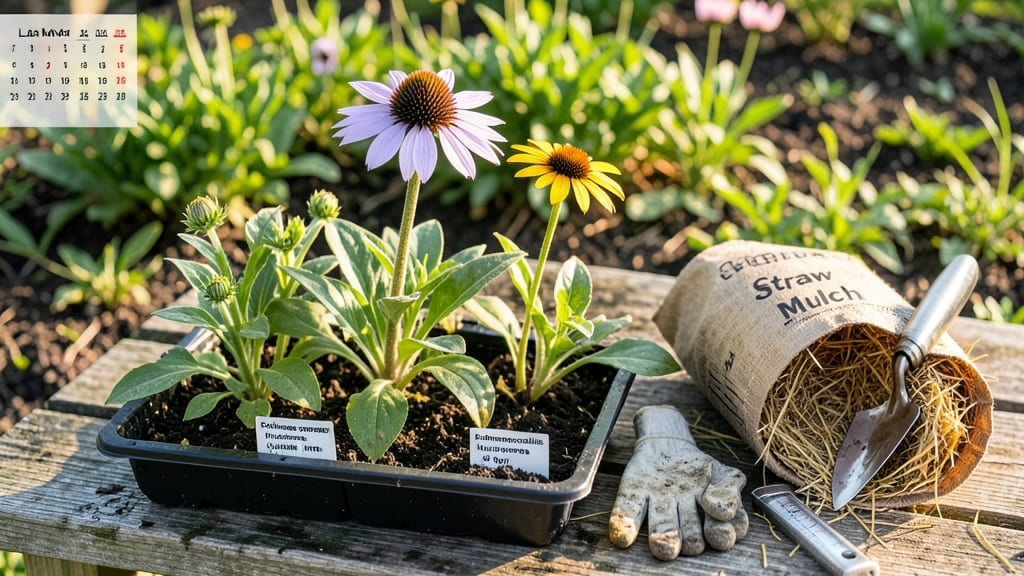
For example, daylilies and coneflowers thrive when planted in late May, while hydrangeas prefer fall planting for best root growth.
For <
How to adjust planting dates for Minnesota’s microclimates and unpredictable weather
Minnesota’s unpredictable frost dates and microclimates can throw off even the most careful gardeners. While the average last frost falls around May 15 in most of the state, northern regions like International Falls can see frost as late as June 1.
Meanwhile, cities like Minneapolis or St. Paul may experience urban heat islands that warm up faster—sometimes 1-2 weeks earlier than rural areas.
These variations mean one-size-fits-all planting dates won’t work. For example, cool-season crops like peas or spinach can handle light frosts, but warm-season plants like tomatoes or peppers need consistent warmth to thrive. Even a single late frost can devastate young seedlings, so flexibility is key.
To protect your garden, start by checking the MN State Climatology Office’s frost data for your specific county. Then, adjust your planting timeline based on three critical factors: your USDA zone, your local microclimate, and the hardiness of your plants.
For instance, Zone 4B areas (like northern Minnesota) should wait until June 1 for tomatoes, while Zone 5A (southern Minnesota) can plant them by May 20.
Late frosts are the #1 killer of young plants in Minnesota. Even if your neighbors are planting, wait until the risk of frost has passed—or use row covers or cold frames to extend your season. A single 28°F night can wipe out tender seedlings like basil or peppers in minutes.
🌡️ Pro Tip: Monitor the National Weather Service’s frost advisories or use a soil thermometer to confirm temperatures are stable above 50°F.
Another trick is to plant in stages. For example, sow radishes or lettuce every 2 weeks from early May through June. This ensures a continuous harvest even if some early plantings get nipped by frost.
Similarly, succession planting works for bush beans, zucchini, and kale—just space out your sowings by 10-14 days.
For warm-season crops that hate cold, consider starting seeds indoors 6-8 weeks before the last frost.
This gives you a head start and lets you transplant hardier seedlings as soon as the soil warms. Peppers and eggplants, for example, need 8-10 weeks of warmth before they’re ready to go outside—so begin them in March under grow lights.
Finally, extend your season with tools like row covers, cold frames, or hoop houses. These can push your first planting dates 2-4 weeks earlier and last harvest dates 3-6 weeks later.
For instance, using a floating row cover lets you plant spinach or kale in early April instead of waiting for May. Just remember to remove covers during pollination for crops like cucumbers or squash.