
Trees
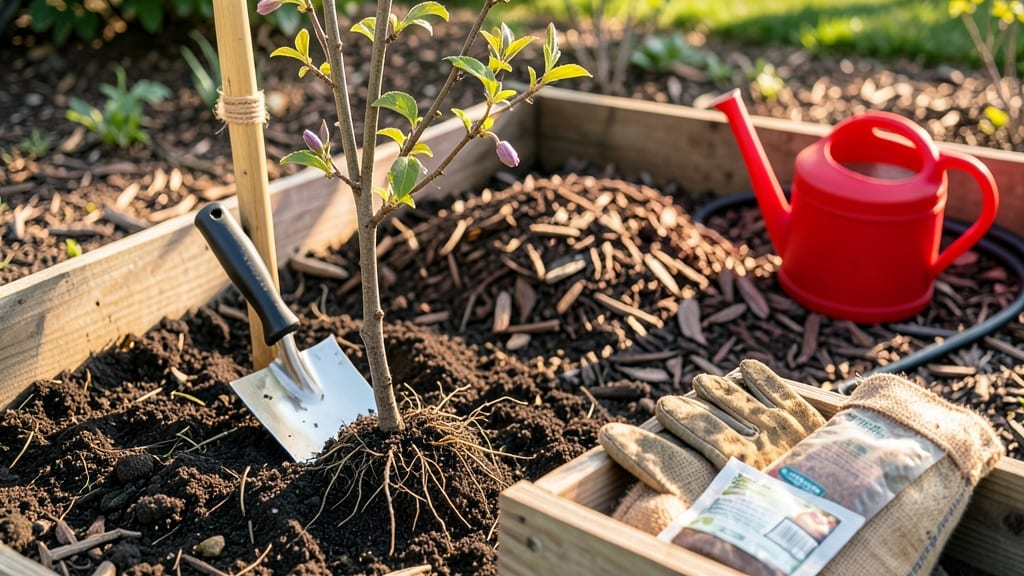
Planting a tree in Oklahoma at the wrong time can mean the difference between a thriving 🌳 shade provider for decades and a struggling sapling that never takes root—here’s how to get it right.
With Oklahoma’s USDA Zones 6a-8a bringing unpredictable frost dates, timing matters more than you might think. The best time to plant isn’t just about avoiding winter’s freeze—it’s about syncing with your tree’s natural growth cycle to give it the strongest start.
Fall planting (September–October) is often the gold standard, but early spring (February–April) works too—if you act fast. I’ll break down the exact windows for your zone, plus soil prep tips that’ll make your tree’s first year a success.
Skip the guesswork and learn how to choose the perfect moment for your tree, whether you’re planting a towering oak or a compact ornamental. Let’s make sure your investment grows strong for years to come.
Oklahoma’s USDA zones and ideal planting windows by tree type
Oklahoma’s USDA Hardiness Zones 6b-8a create a diverse climate where timing is everything for tree success. The best planting windows align with root growth cycles and moisture availability, avoiding Oklahoma’s brutal summers and harsh winters.
For most native trees, fall planting (September-October) is ideal, while bare-root trees thrive in late winter (February-March).
In Zone 6b (northern OK), where last frost averages March 31, focus on early spring planting (March-April) to beat drought stress. Zone 8a (southern OK), with last frost by February 28, benefits from fall planting to establish roots before summer heat. Evergreens like Pine or Holly need extra care—plant them in early fall to avoid winter desiccation.
Here’s how Oklahoma’s USDA zones break down for optimal tree planting, including soil temperature and moisture considerations:
| USDA Zone | Ideal Planting Window | Soil Temp | Tree Types | Key Consideration |
|---|---|---|---|---|
| 6b (Northern OK) | March 15–April 15 | 45–55°F | Oak, Maple, Walnut | Avoid drought stress; water deeply |
| 7a (Central OK) | September 1–October 15 | 60–70°F | Redbud, Elm, Crape Myrtle | Fall rains boost root growth |
| 8a (Southern OK) | February 15–March 30 | 50–60°F | Pecan, Magnolia, Live Oak | Plant before summer heat |
| All Zones | November 1–December 15 | 40–50°F | Bare-root trees | Dormant planting reduces shock |
For container-grown trees, flexibility exists—plant anytime except during extreme heat (July-August) or freezing temps (December-February). Deciduous trees like Maple or Hickory adapt well to fall planting, while evergreens need early fall to avoid winter burn. Always amend soil with compost and mulch heavily to retain moisture.
Oklahoma’s microclimates add complexity—urban areas (like Oklahoma City) stay 5°F warmer than rural zones, delaying frost.
Use a soil thermometer to confirm 50°F soil temps before planting bare-root trees. Drought-resistant natives, like Bur Oak or Chinkapin Oak, handle Zone 6b’s shorter growing season better than tropical imports.
Pro tip: Mulch 3–4 inches deep with wood chips to regulate soil temperature and reduce water loss. In Zone 8a, spring planting (February-March) lets trees establish roots before 100°F summers. Avoid summer planting—transplant shock from heat stress kills 30% of newly planted trees in Oklahoma.
If you’re planting fruit trees (like Peach or Plum), dwarf varieties thrive in Zone 7a’s fall window. Large shade trees (e.g., Southern Magnolia) need Zone 8a’s mild winters—plant them in early spring to avoid freeze damage to new growth.
Always water deeply after planting, then every 7–14 days until roots establish.
Critical signs your tree planting timing is perfect (or terrible)
Timing your tree planting right in Oklahoma isn’t just about picking a month—it’s about reading your soil, weather, and even your tree’s natural rhythms.
The difference between a thriving sapling and one that struggles for years often comes down to these three key signs I watch for before digging.
First, check your soil temperature. Ideal planting occurs when soil is above 50°F (10°C) but below 80°F (27°C). Use a soil thermometer—if it’s too cold, roots won’t establish; if too hot, they’ll dry out before they can grow. Oklahoma’s fall often hits this sweet spot perfectly.
Next, observe moisture levels. The ground should be damp but not soggy—think of a well-wrung sponge. If your soil is bone-dry, you’re likely too late for spring planting or too early for fall.
I’ve planted trees in September when rain was frequent, and they took off because the moisture stayed consistent.
Don’t ignore bud break or new growth on nearby plants. If your native oaks or fruit trees are already leafing out, you’ve missed the early spring window. Conversely, if leaves are starting to yellow or fall, you’re cutting it close for fall planting.
⚠️ Warning: These Timing Mistakes Kill Trees
- Planting in extreme heat (above 90°F) causes transplant shock and root desiccation.
- Ignoring frost dates—even container-grown trees can suffer if planted too late in fall.
- Skipping soil prep in clay-heavy Oklahoma soil leads to poor drainage and root rot.
Pro Tip: Bare-root trees must be planted while dormant—never in summer!
One of my biggest lessons? Wind speed matters. Oklahoma’s spring winds can dry out newly planted trees faster than you think. If winds are consistently over 15 mph, delay planting until conditions calm down—usually by late April or early October.
Finally, trust your local extension office. They track microclimates in Oklahoma that can vary dramatically even within a 20-mile radius. For example, Tulsa’s Zone 7b might support late fall planting when Oklahoma City’s Zone 7a is already seeing frost.
When I plant, I combine these signs with my calendar. If I’m planting a Bur Oak in Zone 6b, I aim for mid-September—before the first frost but after the summer heat.
For fast-growing willows, I might push to late April if the soil is workable. Your tree’s species and your location are the final puzzle pieces.