
Plants
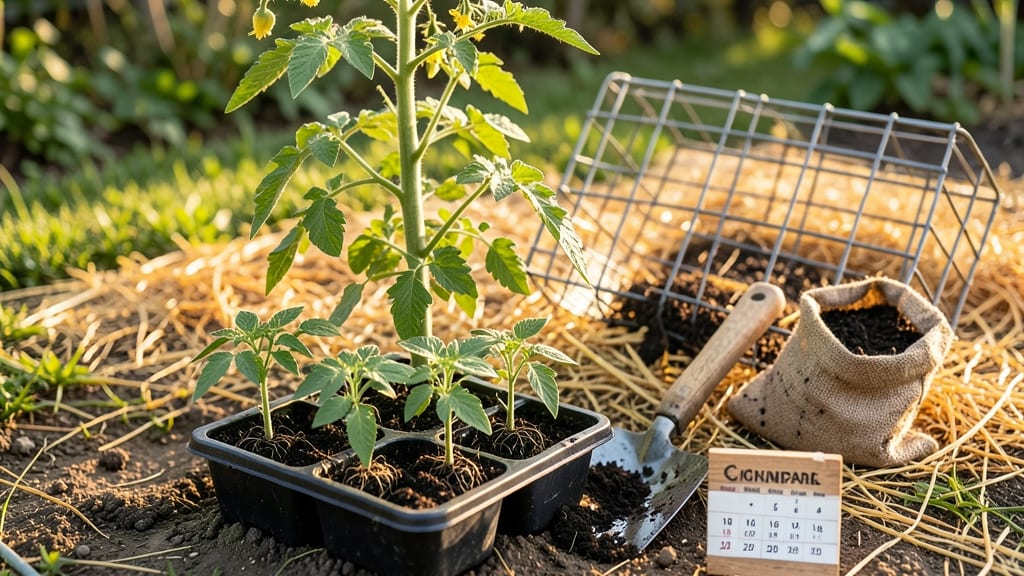
To get the most out of your 🍅 tomatoes in Indiana, timing is everything—plant too early and frost will nip your seedlings, too late and you’ll miss peak harvest season.
The ideal window for Zone 6a gardeners is narrow but critical: between April 15 and May 15, once soil temperatures hit 60°F and all frost risk has passed.
Why does this matter? Indiana’s short growing season means every day counts, and tomatoes need 60-90 days to mature.
Whether you’re starting with transplants or seeds, knowing the exact deadlines for your region—whether you’re in Fort Wayne or Indianapolis—can mean the difference between a bountiful harvest and a sad, underperforming plant.
In this guide, I’ll break down the precise planting schedule tailored to Indiana’s climate, including soil prep tips and adjustments for container vs. in-ground planting. You’ll also learn how to extend your season with cold frames or row covers, so you can keep enjoying fresh tomatoes well into fall.
Ready to grow juicier, more abundant tomatoes? Let’s dive into the strategies that work best for Indiana gardeners—and why May 15 is your last chance to plant for a full-season harvest.
Indiana heat Zone 6 tomato planting deadlines by last frost date
Timing is everything when planting tomatoes in Indiana, where USDA Zone 6a means a short growing season.
The last spring frost typically arrives between April 15 and May 1, but exact dates vary by region—northern Indiana (like Fort Wayne) often waits until May 10, while southern Indiana (near Indianapolis) can start as early as April 20.
Planting too soon risks frost damage, while waiting too long cuts your harvest window.
For transplants, aim for 2-3 weeks after your last frost date. This gives young plants time to establish roots before summer heat arrives. If you’re direct sowing seeds, wait until soil temperatures hit 60°F (usually late May in colder areas).
Use a soil thermometer to check—tomato seeds won’t germinate below 55°F.
Here’s the critical window for Indiana growers: April 20–May 15 for transplants in southern counties, and May 1–May 15 for northern areas. If you miss these dates, consider succession planting or container growing to extend your season.
| Region | Last Frost Date | Best Transplant Window | Direct Sow Window | Soil Temp Requirement |
|---|---|---|---|---|
| Northern Indiana (Fort Wayne, Gary) | May 1–May 10 | May 15–May 31 | Late May–Early June | 60°F+ |
| Central Indiana (Indianapolis, Muncie) | April 25–May 5 | April 30–May 15 | Late April–Early May | 55°F+ |
| Southern Indiana (Evansville, Bloomington) | April 15–April 25 | April 20–May 1 | Mid-April–Late April | 50°F+ |
*Dates based on 30-year averages; check local frost maps for updates.
If you’re starting seeds indoors, begin 6–8 weeks before your last frost date. For northern Indiana, that’s around March 1–March 15, while southern Indiana gardeners can start as early as February 20. Use grow lights to prevent leggy seedlings—tomatoes need 12–14 hours of light daily.
For container growing, plant transplants 1–2 weeks later than in-ground tomatoes. Pots heat up faster, so monitor soil moisture closely. Choose determinate varieties (like ‘Roma’ or ‘Celebrity’) for containers—they stay compact and produce fruit faster than indeterminate types.
Pro tip: Use black plastic mulch to warm soil and speed up germination. Lay it down 1–2 weeks before planting to create a microclimate that’s 5–10°F warmer than bare soil. This is especially helpful in Indiana’s cooler springs.
Don’t panic if you miss the ideal window. Indiana’s first frost usually arrives October 15–October 30, leaving plenty of time for a late harvest. Just switch to heat-tolerant varieties like ‘Heatmaster’ or ‘Solar Fire’ and use row covers to protect plants from early chills.
Remember: Tomatoes thrive on warmth, but Indiana’s summers can be unpredictable. Keep an eye on 7-day forecasts and have frost cloth ready for late-season protection. With the right timing, you’ll enjoy homegrown tomatoes from July through October!
Indiana heat Zone 6 tomato planting deadlines by last frost date
Indiana’s USDA Zone 6 climate means your tomato planting window is tight—just 165 frost-free days from April to October. Missing the last frost date (typically April 15) can ruin your crop, while planting too late cuts harvest time.
Northern Indiana (e.g., Fort Wayne) has a 2-week earlier deadline than southern Indiana (e.g., Indianapolis).
For transplants, aim for April 20–May 10—soil must stay above 60°F for roots to establish. Direct sowing seeds is riskier; wait until May 1–15 when soil warmth is guaranteed. Use a soil thermometer to confirm—tomatoes won’t thrive in cold soil.
| Region | Last Frost Avg. | Transplant Window | Direct Sow Window | Soil Temp |
|---|---|---|---|---|
| Northern IN (Fort Wayne) | April 15 | April 20–May 5 | May 10–20 | ≥60°F |
| Central IN (Indianapolis) | April 22 | April 25–May 10 | May 15–25 | ≥60°F |
| Southern IN (Evansville) | April 28 | May 1–15 | May 20–30 | ≥60°F |
If you miss the window, don’t panic! Use row covers or a cold frame to plant 2–3 weeks later. For late starts, choose early-maturing varieties like ‘Early Girl’ (60 days) or ‘Stupice’ (50 days) to squeeze in a harvest before frost.
Pro tip: Black plastic mulch warms soil by 10°F, letting you plant 1–2 weeks earlier in cooler areas. Lay it down 2 weeks before transplanting for best results.
For container gardening, move pots indoors at night if temps dip below 50°F. Use a heat mat under containers to maintain root warmth.
Always check your local Almanac frost dates—Indiana’s 165 frost-free days can shift yearly. When in doubt, plant transplants instead of seeds for a safer harvest.