
Plants
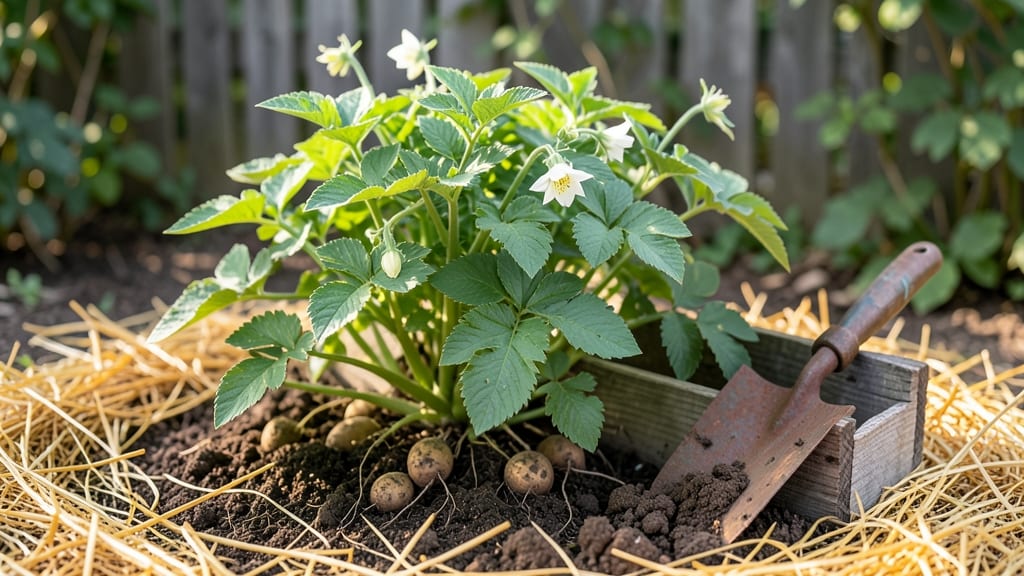
Planting potatoes in Zone 8 at the wrong time can turn your 🥔 dreams into a soggy mess—especially when late frosts linger or summer heat arrives too soon.
The key to success lies in timing your harvest right, whether you're aiming for early spring or late fall crops that thrive in milder winters.
Most gardeners in Zone 8 rush to plant too early, only to watch their tender sprouts wilt under unexpected frost. But with the right strategy, you can avoid this common mistake and enjoy a bountiful harvest.
I’ll show you exactly when to plant—both in early spring and late summer—for maximum yield and zero frost-related heartbreak.
Whether you're a first-time grower or a seasoned pro, knowing the ideal soil temperature and frost-free window is the game-changer. We’ll cover everything from soil prep to variety selection, so you can plant with confidence and watch those potatoes grow like never before.
Ready to dig in? Let’s break down the best planting windows for Zone 8, so you can enjoy homegrown spuds from May through December—no guesswork required.
Optimal planting windows for Zone 8 potatoes: frost dates & soil temperature rules
Zone 8’s mild winters and warm summers create a unique challenge for potato planting. Unlike colder zones, you can grow potatoes in both spring and fall, but timing is everything. The key is avoiding late frosts (which can kill young sprouts) and summer heat (which stresses mature plants).
Most of Zone 8 experiences its last frost around February 15 and first frost around November 15, but microclimates can shift these dates by weeks.
For spring planting, aim to plant seed potatoes when soil temperatures hit 45°F (7°C), typically in late February to early March. This gives tubers 90-120 days to mature before summer heat peaks.
Fall planting is trickier—start late August to early September for a harvest before the first frost, but avoid planting too late, or tubers won’t fully develop.
Soil temperature is your best guide. Use a soil thermometer to confirm readiness. In Northern Zone 8 (e.g., parts of California’s Central Valley), wait until March 1 to avoid frost risk.
In Southern Zone 8 (e.g., Florida’s northern panhandle), you can plant as early as January, but watch for unexpected cold snaps.
| Planting Window | Ideal Soil Temp | Frost Risk | Harvest Window |
|---|---|---|---|
| Late February - Early March | 45-50°F (7-10°C) | Low (post-last frost) | May - June |
| Late August - Early September | 50-55°F (10-13°C) | Moderate (pre-first frost) | November - December |
| January (Southern Zone 8) | 50°F+ (10°C+) | High (watch forecasts) | April - May |
Zone 8’s long growing season lets you experiment with succession planting. For example, plant a fast-maturing variety like ‘Yukon Gold’ in February and a late-season type like ‘Russet’ in August.
This stretches your harvest from May to December, but prioritize soil health—potatoes deplete nutrients quickly, so rotate crops or amend soil with compost.
Pro tip: Use a planting calendar to track soil temps and frost dates. Local agricultural extensions (like UC Davis for Northern Zone 8 or UF/IFAS for Southern) publish frost-free date maps—bookmark these!
For example, Sacramento (Zone 8a) averages its last frost on March 15, while Tallahassee (Zone 8b) can plant as early as January 15 with minimal risk.
If you’re unsure about frost dates, opt for early-maturing varieties (60-90 days). These tolerate cooler soils and give you flexibility. Save longer-season varieties (100+ days) for fall planting, when days shorten and heat stress fades.
Always chit your seed potatoes (sprout them indoors) 4-6 weeks before planting to jumpstart growth in cooler soils.
Remember: Soil temperature > air temperature. A sunny day might feel warm, but if the soil is still chilly, germination stalls. Test it—your potatoes will thank you with bigger yields and fewer diseases like blight, which thrives in warm, wet conditions.
For fall planting, stop by September 15 to ensure tubers mature before frost. Use row covers to extend the season if nights dip below 40°F (4°C). And if your Zone 8 area has hot summers (like Phoenix), focus on spring planting
Finally, adjust for elevation. Higher elevations in Zone 8 (e.g., mountains in Northern California) stay cooler longer. Plant 2-3 weeks later than valley areas to avoid frost. Use these rules as a starting point, then tweak based on your microclimate—that’s how you’ll master Zone 8 potato growing!
How to time potato planting for maximum yield in Zone 8: a step-by-step guide
Timing is everything when planting potatoes in Zone 8. Unlike cooler climates, Zone 8’s mild winters and early springs demand precise scheduling to avoid frost damage or heat stress.
Here’s my step-by-step guide to planting for peak yields, whether you’re aiming for a spring harvest or extending your season into fall.
First, choose the right potato varieties. For Zone 8, I recommend early-maturing varieties like ‘Yukon Gold’ or ‘Red Pontiac’ (60-90 days) for spring planting. If you’re planting in fall, opt for mid-season types like ‘Kennebec’ (90-110 days) to harvest before winter sets in.
Avoid late varieties—they won’t mature in time!
Prep Soil & Seed Potatoes
Test soil pH (aim for 5.0-6.5). Cut seed potatoes into 1.5-inch chunks with at least 2-3 eyes each. Let them cure for 24 hours to prevent rot.
Plant at the Right Time
Spring: Plant 2-4 weeks before last frost (typically late February to early March in Zone 8). Soil should reach 45-50°F. Fall: Plant 8-10 weeks before first frost (usually September).
Plant Correctly
Dig trenches 4-6 inches deep, place potatoes 12 inches apart, and cover with 3 inches of soil. Space rows 3 feet apart for easy hilling later.
Hill & Mulch
When plants reach 6 inches tall, mound soil around stems to prevent greening. Use straw or grass clippings as mulch to retain moisture and regulate temperature.
Succession Plant for Continuous Harvests
Plant a second crop 4-6 weeks after the first to stagger harvests. For fall, plant a third batch in late August for a late-season harvest before frost.
For fall planting, I always use row covers to extend the season. If frost threatens, cover plants with lightweight fabric until temperatures rise. And remember: water deeply after planting to encourage root growth, but avoid overwatering once tubers form.
Pro tip: Mark your planting dates in a garden journal. Over time, you’ll spot patterns in your microclimate—like early heat waves or delayed frosts—that help fine-tune your schedule. Zone 8’s variability means flexibility is key!