
Companion Plants
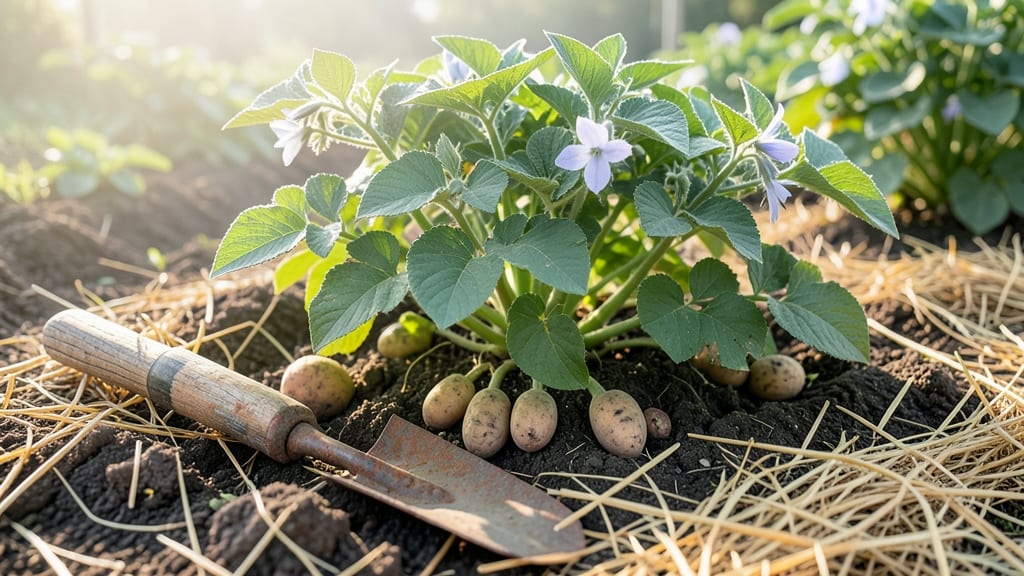
Planting potatoes in Zone 5 at the wrong time means watching your hard work turn to mush under late frosts—or worse, waiting months for a harvest that never comes.
The key to success isn’t just checking a calendar; it’s knowing when your soil warms up to 45°F and how to protect those tender sprouts from unpredictable spring weather.
I’ve learned the hard way that rushing too early can leave your 🥔 plants vulnerable, while waiting too long cuts your growing season short.
What you really need is a strategy that balances soil temperature, frost risk, and variety selection—so you can plant with confidence and pull up those golden tubers before the first chill arrives.
In this guide, I’ll break down the exact planting windows for Zone 5, including how to test your soil temperature and which varieties thrive in your climate.
Whether you’re using seed potatoes or sprouted tubers, these tricks will help you fast-track germination and avoid common mistakes that waste time and seeds.
Ready to grow a bumper crop? Let’s get your potatoes in the ground at the perfect moment—so you can enjoy fresh harvests all summer long.
Zone 5 potato planting timeline: exact dates by soil temperature (not just calendar months)
If you’ve ever planted potatoes in Zone 5 only to watch them rot in cold soil or sprout too late for a harvest, you’re not alone. The key to success isn’t just calendar months—it’s soil temperature.
Potatoes need soil that’s at least 45°F (7°C) to germinate, and waiting for the right conditions can mean the difference between a bountiful harvest and wasted effort.
In Zone 5, where last frosts can linger until May 15 in some areas and June 1 in others, timing is everything. Planting too early risks frost damage, while waiting too long cuts your growing season short. The solution? Use soil temperature as your guide, not just the calendar.
Here’s the golden rule for Zone 5: Aim to plant potatoes when your soil reaches 45°F (7°C) consistently. This usually falls between late April and mid-May, but it can shift 2-3 weeks earlier or later depending on your microclimate.
For example, southern Zone 5 (like parts of Missouri or Virginia) might be ready by mid-April, while northern areas (like upstate New York) may need to wait until early May.
Pro tip: If you’re using seed potatoes (not sprouted tubers), you can start them indoors 4-6 weeks before your target planting date. This gives you a head start on the season and helps you avoid the cold soil dilemma entirely.
Let’s break down the exact planting windows based on soil temperature, frost risk, and regional differences in Zone 5. This comparison table will help you pinpoint the best time for your specific location.
Now that you know the soil temperature triggers, let’s talk about how to prepare your seed potatoes for planting.
If you’re using whole seed potatoes, cut them into pieces with at least 2-3 eyes each, let the cuts heal for 1-2 days, and then plant them with the eyes facing up. For sprouted tubers, plant them as soon as they’ve developed 1-inch sprouts.
One common mistake I see in Zone 5 is planting too deep. Aim for 4 inches deep—any deeper, and your potatoes may struggle to break through the soil. After planting, add 2-3 inches of loose soil or straw mulch to protect them from temperature swings.
As your plants grow, hill the soil around the stems every 2-3 weeks to encourage more tuber formation.
Remember, potatoes are cool-season crops, but they hate cold soil. If you’re in a late-frost area, consider using black plastic mulch or straw bales to warm the soil faster. This can shave 1-2 weeks off your planting timeline and give you an earlier harvest.
Finally, keep an eye on your local frost dates. While most Zone 5 gardeners can plant by mid-May, a late frost can still sneak in. If frost is forecasted within 2 weeks of planting, use frost cloth or row covers to protect your young plants until they’re established.
With these soil temperature tricks and regional adjustments, you’ll be well on your way to a successful potato harvest—no more wasted seeds or stunted growth! 🥔
How to test soil temperature for potatoes (and 3 pro tips to speed up germination in cold climates)
Testing your soil temperature is the #1 way to avoid planting potatoes too early in Zone 5. Cold soil below 45°F can delay germination by weeks—or worse, rot your seed potatoes before they sprout.
I’ve learned the hard way that calendar dates alone won’t cut it; your soil’s actual temperature is what matters.
Use a soil thermometer (just $10 at garden centers) to check 2-3 inches deep, where potatoes will germinate. Aim for 45-50°F for early varieties and 50-55°F for slower starters. Morning is best—soil temps fluctuate less after sunrise.
Pro Tip #1: If your soil is still chilly, try black plastic mulch laid 1-2 weeks before planting. It warms the soil by 5-10°F faster than bare earth. I’ve seen germination times cut in half with this trick alone!
Check 2-3" depth daily for 45°F+. Plant when temps stabilize above 50°F for 3+ days.
Lay black plastic 1-2 weeks pre-planting to add 5-10°F warmth. Remove before planting to avoid soil overheating.
Use floating row covers to trap heat during the day and insulate at night. Remove when plants hit 6" tall to prevent overheating.
Water warm water (not hot) around seed potatoes to jumpstart soil warming. Do this 2x/day for 3 days pre-planting.
For extra-cold springs, I’ve had success with soil warmers—those electric cable systems you can rent. They’re pricey but can shave 2-3 weeks off your growing season. Just bury them 4-6 inches deep and run them for 24 hours/day until soil hits 50°F.
Once your soil passes 50°F, act fast! Potatoes germinate best when planted within 24-48 hours of warm soil contact.
I like to mark my calendar for April 15-May 1 in most of Zone 5, but your exact date depends on microclimates—southern Zone 5 can plant 2 weeks earlier than northern areas.
Remember: Slow germination = late harvest. If your potatoes take 3+ weeks to sprout, you risk running out of time before first frost.
That’s why I always test soil temps and use at least two tricks from the list above—it’s the difference between a bountiful harvest and a disappointing yield. 🌱