
Plants
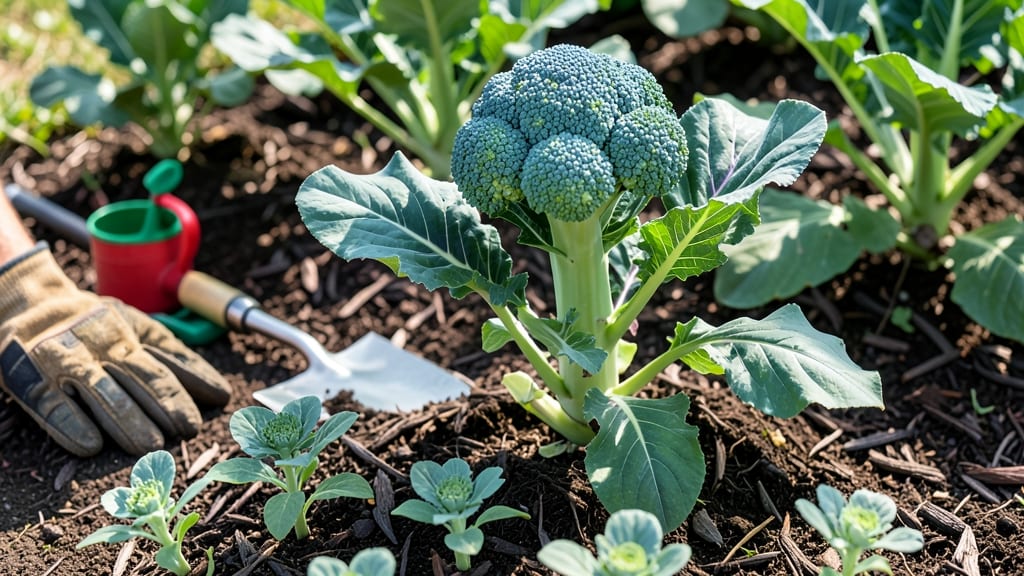
Planting broccoli 🥦 in Northern California’s 8a-9b zones isn’t just about throwing seeds in the dirt—it’s about mastering the perfect timing to dodge frost, prevent bolting, and lock in a bumper harvest.
Skip the guesswork, and you’ll end up with bitter, stunted plants or worse, a garden full of flowers instead of food.
I’ve learned the hard way that August and February are your golden windows for success, but coastal areas like the Bay Area get a few extra weeks of warmth compared to inland spots near Sacramento.
Miss these timelines, and you’ll either freeze your seedlings or watch them bolt before they’re ready to eat.
What if I told you that just 4 weeks can mean the difference between a thriving broccoli plant and a sad, wilted mess? The secret lies in understanding your microclimate—whether you’re dealing with foggy mornings or scorching afternoons—and how to adjust your planting schedule accordingly.
Let’s break it down: I’ll show you exactly when to start seeds indoors, when to direct-sow, and how to stretch your harvest into December—without losing your mind (or your plants) to Northern California’s unpredictable weather. Ready to grow broccoli like a pro?
Northern California broccoli planting calendar by USDA Zone (7-9) with frost-free deadlines
Northern California’s diverse USDA Zones 7-9 create unique planting windows for broccoli. In Zone 9 (coastal areas like San Francisco), you can plant as late as early October for winter harvests, while Zone 7 (Sacramento Valley) demands earlier plantings by mid-September.
The key? Avoiding first frost dates (typically mid-January inland, December 15th coastal) while ensuring soil stays above 40°F.
For spring plantings, aim for February to early March—any earlier risks bolting from warming temperatures. Coastal areas (Zone 9) have a 3-week longer window than inland zones. Always check your local frost-free days (240-300 days in most of Northern California) to refine timing.
🌱 Broccoli Planting Timeline by USDA Zone
| Zone | Fall Planting Window | Spring Planting Window | First Frost Risk | Harvest Window |
|---|---|---|---|---|
| Zone 7 (Sacramento) | Late August - Mid-September | Early February - Mid-March | Mid-January | October-November (fall), May-July (spring) |
| Zone 8 (Bay Area) | Mid-September - Early October | Mid-February - Late March | Late December | November-December (fall), June-August (spring) |
| Zone 9 (Coastal) | Early October - Mid-November | Late February - Early April | None (rare light frost) | December-January (fall), July-September (spring) |
For fall crops, plant 4-6 weeks before frost to ensure maturity. Use ‘Waltham 29’ (70-day variety) for cooler zones or ‘Green Goliath’ (60-day) for Zone 9’s extended season. Start seeds indoors 6-8 weeks before transplanting to avoid heat stress.
Spring plantings require soil temperatures above 45°F. In Zone 7, direct-sow by February 15th; in Zone 9, wait until March 1st to prevent bolting. Succession plant every 2 weeks for continuous harvests—critical for Northern California’s short growing windows.
Coastal gardeners in Zone 9 can push harvests into January with row covers or cold frames. Inland areas (Zone 7) should harvest by November before hard frosts. Always monitor local weather forecasts—microclimates vary even within cities like Sacramento or San Francisco.
Soil prep is non-negotiable: amend with compost to reach pH 6.0–7.0 and ensure well-draining soil. Broccoli hates soggy roots! Test your soil in late summer to adjust before fall plantings.
Pro tip: Mulch heavily with straw after planting to retain moisture and protect roots from temperature swings. In Zone 8, this extends harvests by 2-3 weeks compared to unmulched beds.
Remember, Northern California’s coastal vs. inland divide matters. A Zone 9 garden in Half Moon Bay can handle October plantings, while a Zone 7 garden in Davis must finish by September 15th. Always check your last frost date—it’s your planting deadline.
How to extend your broccoli growing season in Northern California without frost damage
Northern California’s cooler coastal climates and warmer inland valleys create unique opportunities to grow broccoli year-round. With the right techniques, you can push harvests into December or even January in Zone 9, or extend spring crops into late July.
The key? Protecting young plants from unexpected frost and heat stress.
For fall plantings, start seeds indoors 8–10 weeks before your first frost (typically mid-October for most of Northern California). Transplant seedlings outdoors 4–6 weeks before frost—this gives them time to establish roots before winter sets in.
In Zone 9 (e.g., San Diego, Riverside), you can even direct-sow seeds as late as early November for a winter harvest.
🌱Pro Tip: Use row covers or low tunnels to shield seedlings from light frosts (28–32°F). These simple tools can add 4–6°F of warmth, preventing damage while allowing plants to mature.
For hard frosts below 28°F, opt for cold frames or move potted plants to a sheltered location.
🌿Microclimate Matters: Coastal areas (e.g., San Francisco, Santa Cruz) have milder winters and can support broccoli through December–January with minimal protection. Inland valleys (e.g., Sacramento, Stockton) experience colder nights and may need row covers or cold frames for winter success.
For spring plantings, start seeds indoors in February and transplant outdoors in March once soil temps reach 40°F. Use black plastic mulch to warm the soil faster and deter weeds. In Zone 9, you can even direct-sow seeds in late winter (January) for an early spring crop.
✂️Final Tip: Always monitor your local frost dates—check the National Weather Service or UC Master Gardener resources for real-time updates. With these strategies, you’ll enjoy homegrown broccoli for nearly 10 months in Northern California!