
Companion Plants
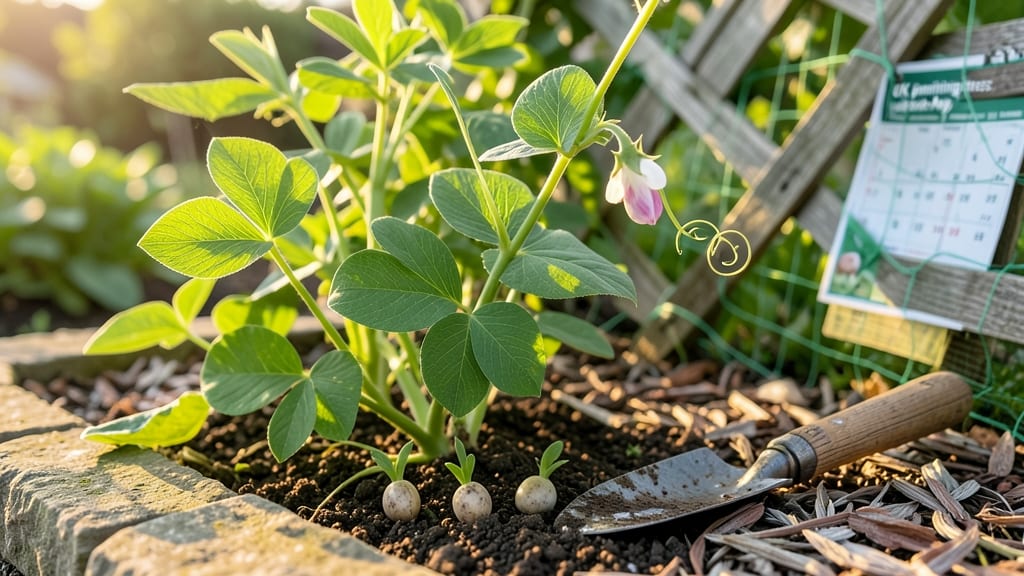
Planting peas in the UK at the wrong time can mean the difference between a bountiful harvest and a sad, frost-nipped failure. Whether you're growing sweet peas, mangetout, or dwarf varieties, timing is everything—especially in our 8-10 (mild maritime climate) where frosts linger unpredictably.
Most gardeners swear by early spring planting in March–April, but late summer sowings in September–October can also deliver delicious pods for winter tables. The key? Avoiding those last frosts that can turn tender shoots to mush overnight.
I’ll show you exactly when to plant for your region—whether you’re in the frost-prone north or the milder coastal south.
You’ll learn how to stretch your pea season with succession planting, which varieties thrive in UK conditions, and how to protect young plants from late frosts. No more guessing—just foolproof timing for the sweetest, crispest peas you’ve ever grown.
Ready to turn your garden into a pea powerhouse? Let’s dive into the best planting windows and pro tips to make this your most successful season yet.
UK pea planting calendar: best months for early spring and late summer crops
Peas thrive in the UK's cool maritime climate, but timing is critical to avoid late frosts or overly hot conditions. The ideal planting windows are March-April for spring crops and September-October for late summer harvests.
These periods align with soil temperatures of at least 45°F (7°C) and frost-free forecasts.
In southern England, you can start sowing as early as mid-February under cloches or fleece, while northern regions like Scotland should wait until late March to avoid ground frosts. Coastal areas benefit from milder microclimates and can plant 2-3 weeks earlier than inland spots.
For maximum yield, aim for two planting sessions: one in early spring (March-April) and another in late summer (September-October). This strategy ensures continuous harvests from June-July and December-January, respectively. Succession planting every 2-3 weeks during these windows extends your harvest further.
🌱
If you're in Scotland or Northern Ireland, shift your planting 2-3 weeks later than the general UK calendar. The Celtic Sea moderates coastal Cornwall and Wales temperatures, allowing earlier sowing by 10-14 days.
Always check your local frost forecast—the Met Office provides regional alerts to guide your timing.
For container growing, start seeds indoors in February and transplant outdoors after last frost. Containers warm up faster than soil, so dwarf varieties like 'Tom Thumb' thrive in small pots or window boxes. Just ensure they get 6+ hours of sunlight daily to avoid leggy growth.
🌿
Peas planted in late summer benefit from cooler autumn temperatures, which improve sweetness and tenderness. However, avoid sowing after mid-October in most UK regions, as daylight hours shorten and growth slows. In mild coastal areas, you can push this to early November for winter harvests.
Pro tip: Use a soil thermometer to confirm soil temperatures before planting. Peas won't germinate well below 45°F (7°C), even if air temperatures seem mild. Cold frames or fleece can create microclimates to extend your planting window by 2-4 weeks in early spring or late autumn.
✂️
How to choose the perfect pea variety for your UK climate and planting time
Selecting the right pea variety is crucial for success in the UK’s varied climate. Early varieties like 'Douce Provence' thrive in cooler spring months, while late-season types such as 'Kelvedon Wonder' handle milder autumn conditions. Your choice depends on frost sensitivity and regional growing zones.
Climbing varieties need sturdy supports, while dwarf types like 'Little Marvel' suit smaller gardens. Mangetout peas (e.g., 'Sugar Snap') are perfect for longer harvest windows and resist pests better than shelling peas. Always check seed packets for UK-specific planting dates.
Southern regions can plant earlier, while northern areas should wait until after the last frost (typically mid-March to April). Coastal gardens benefit from earlier sowing due to milder temperatures, whereas inland spots may need late-March starts to avoid frost.
| Variety | Planting Time | Harvest Window | Frost Tolerance | Best For |
|---|---|---|---|---|
| Douce Provence | March–April | June–July | Moderate | Early harvests |
| Kelvedon Wonder | April–May | July–August | High | Late-season |
| Sugar Snap | March–June | June–September | Moderate | Succession planting |
| Little Marvel | April–May | July–August | Low | Small gardens |
| Telephone | September–October | December–January | Very high | Winter harvests |
For autumn planting, opt for late-maturing varieties like 'Telephone' to avoid early frosts. These varieties thrive in cooler temperatures and extend your harvest into winter months. Always test soil drainage before sowing—peas hate waterlogged roots.
Companion planting with onions or garlic deters pests like pea moths, while clover cover crops improve soil nitrogen. Start seeds indoors in late February for a head start, then transplant after frost risk passes.
Regional microclimates matter: coastal gardens can plant 2 weeks earlier than inland areas. Use row covers for extra protection if late frosts threaten. With the right variety and timing, you’ll enjoy sweet peas from spring to winter!