
Plants
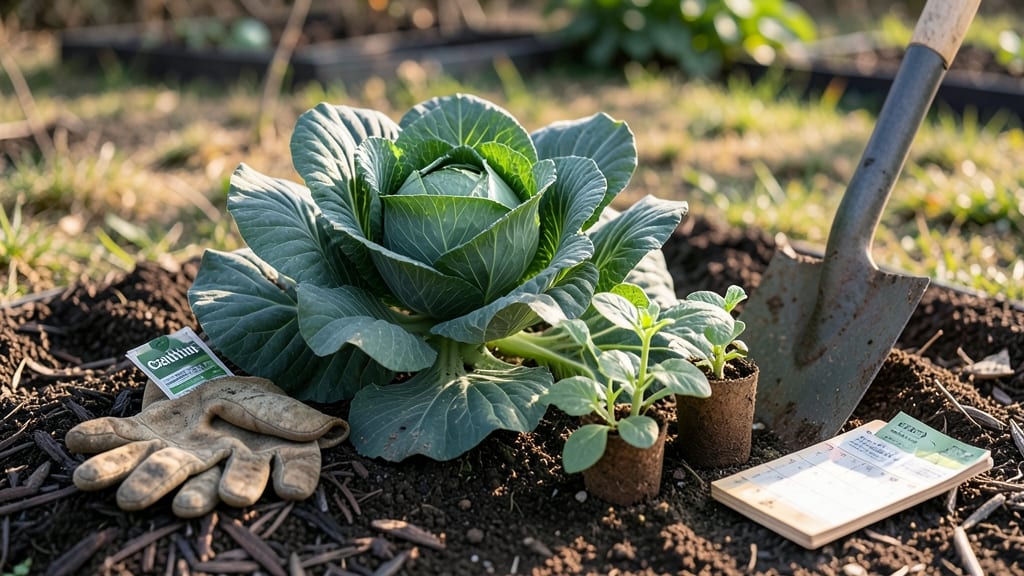
Timing your cabbage 🥬 planting in Colorado isn't just about the calendar—it's about outsmarting the 30-degree swings that can send your plants bolting or freezing before they even form heads.
I’ve learned the hard way that planting too early in the Front Range’s Zone 5-6 or too late on the Western Slope’s Zone 6-7 means bitter, loose heads—or worse, no harvest at all.
Most gardeners focus on spring, but Colorado’s fall season offers a second chance for sweet, crisp cabbage 🥬 when summer heat fades. The key? Starting seeds indoors 4-6 weeks before your last frost (mid-April to early May) or transplanting hardened-off seedlings by mid-March.
For fall, aim to plant by early September so heads mature before the first frost hits in October.
Here’s the game-changer: early varieties like ‘Early Jersey Wakefield’ bolt faster in spring heat, while late-season types such as ‘January King’ survive Colorado’s chilly falls. I’ll break down the exact windows—plus how to adjust for your microclimate—so you can grow zero-bolt cabbage from seed to harvest, twice a year.
Ready to ditch the guesswork? Let’s map out your planting schedule step by step, because in Colorado, timing isn’t just about the season—it’s about beating the weather.
Colorado cabbage planting calendar: exact spring and fall windows
Timing is everything when growing cabbage in Colorado—plant too early, and you risk bolting from heat; too late, and frost ruins your harvest. Colorado’s USDA Zones 5-7 create unique challenges, especially with our variable elevation and short growing seasons.
Let’s break down the perfect planting windows for both spring and fall crops.
For spring cabbage, aim to plant 4-6 weeks before your last frost date. In most of Colorado, this lands between mid-March and early April at lower elevations, but high-altitude gardeners (like those in Zone 5) may need to wait until late March or early April.
Seedlings should be ready to transplant by mid-April to early May, giving them enough time to mature before summer heat sets in.
Fall planting is equally critical. Start seeds 8-10 weeks before your first frost, which typically falls in mid-October to early November.
This means sowing seeds or transplanting seedlings between late July and early September. Western Slope growers (Zones 6-7) can push this window slightly later, while Front Range gardeners (Zones 5-6) should plant earlier to avoid early frosts.
📅 Colorado Cabbage Planting Timeline
| Season | Planting Window | Key Considerations |
|---|---|---|
| Spring | Mid-March to early April (seeds) Mid-April to early May (transplants) |
Avoid bolting by choosing early-maturing varieties and using shade cloth if temps rise above 75°F. |
| Fall | Late July to early September (seeds/transplants) | Prioritize cold-hardy varieties and mulch to extend harvest into late fall. |
| Year-Round | February (start indoors) June (successive plantings) |
Extend season with row covers or greenhouses for early/late harvests. |
Colorado’s microclimates play a huge role in success. For example, Denver (Zone 5) gardeners should plant spring cabbage 2 weeks earlier than those in Grand Junction (Zone 7). Always check your local last-frost date—Colorado State University’s Almanac is a great resource.
Pro tip: Use black plastic mulch in early spring to warm the soil and jumpstart growth in cooler areas.
If you’re direct-sowing seeds, start them indoors 4-6 weeks before transplanting to give seedlings a head start. Harden them off for 7-10 days before moving them outdoors. For transplants, choose healthy seedlings with dark green leaves and no signs of yellowing or pests.
Space them 18-24 inches apart to allow room for those 1-2 foot tall heads to develop.
One common mistake? Planting cabbage too close to summer’s peak heat. By late May or early June, Colorado’s temperatures can push cabbage into bolting mode, causing bitter leaves and wasted effort.
Instead, opt for successive plantings every 2 weeks from March through July to stagger your harvest and avoid this pitfall.
For fall crops, focus on varieties that mature in 60-70 days to ensure they’re ready before frost. Use row covers in late fall to protect tender leaves from light frosts, which can actually sweeten the flavor but won’t harm the plant.
In high-altitude areas, like Steamboat Springs (Zone 5), you might even get a second harvest in early winter if you plant early enough.
Remember: Cabbage thrives in cool weather, so aim for soil temperatures between 50-75°F. Use a soil thermometer to monitor conditions—if it’s too hot, your plants will bolt, and if it’s too cold, growth will stall.
With these precise timing windows, you’ll be harvesting crisp, sweet heads all season long.
Colorado cabbage planting calendar: exact spring and fall windows
Colorado’s cool-season climate makes cabbage a perfect fit, but timing is everything. The Front Range’s Zone 5-6 and Western Slope’s Zone 6-7 have different frost dates, so I’ll break it down by region.
For spring, aim to plant 4-6 weeks before your last frost (mid-April to early May), while fall plantings should start 8-10 weeks before the first frost (mid-October).
Here’s the key: Early varieties like ‘Early Jersey Wakefield’ mature in 50-60 days, while late-season types like ‘January King’ take 80-90 days. This means your spring window closes by early July, and fall plantings must begin by early September to avoid bitter bolts or frost damage.
| Season | Planting Window | Last Frost Adjustment | Harvest Time |
|---|---|---|---|
| Spring | Mid-March to early July | 4-6 weeks before last frost (Zone 5-6: mid-April; Zone 6-7: early May) | Late May to July |
| Fall | Late July to early September | 8-10 weeks before first frost (Zone 5-6: early September; Zone 6-7: mid-September) | October to November |
For high-elevation gardens (7,000+ ft), like those in the Rocky Mountains, extend your spring window by 2-3 weeks due to later frost dates. Conversely, the Western Slope (e.g., Grand Junction) can plant 1-2 weeks earlier thanks to warmer microclimates.
Always check your local Cooperative Extension office for precise frost dates—these can vary by 10-14 days even within the same county.
Pro tip: Use row covers to push your spring window 2-3 weeks earlier or extend your fall harvest by 3-4 weeks. I’ve seen cabbage survive 20°F nights with a simple floating row cover, but remove it during the day to prevent overheating.
This trick is a game-changer for late-summer plantings in Colorado’s unpredictable fall.
If you’re direct-sowing seeds, start in late March to early April for spring or late July to early August for fall. Seedlings need consistent soil temps above 40°F to germinate—any colder, and you’ll waste seeds.
For transplants, harden off seedlings for 7-10 days before setting them out to avoid transplant shock in Colorado’s windy conditions.
Remember: Bolting (premature flowering) is your biggest enemy. In Colorado, this happens when temps hit 75°F+ for 3+ days or when day lengths exceed 14 hours. That’s why I always plant shade-tolerant varieties like ‘Golden Acre’ in late spring and use 30% shade cloth if summer heat arrives early.
With these adjustments, you’ll harvest sweet, crisp cabbage 🥬 twice a year—no bitter surprises!