
Plants
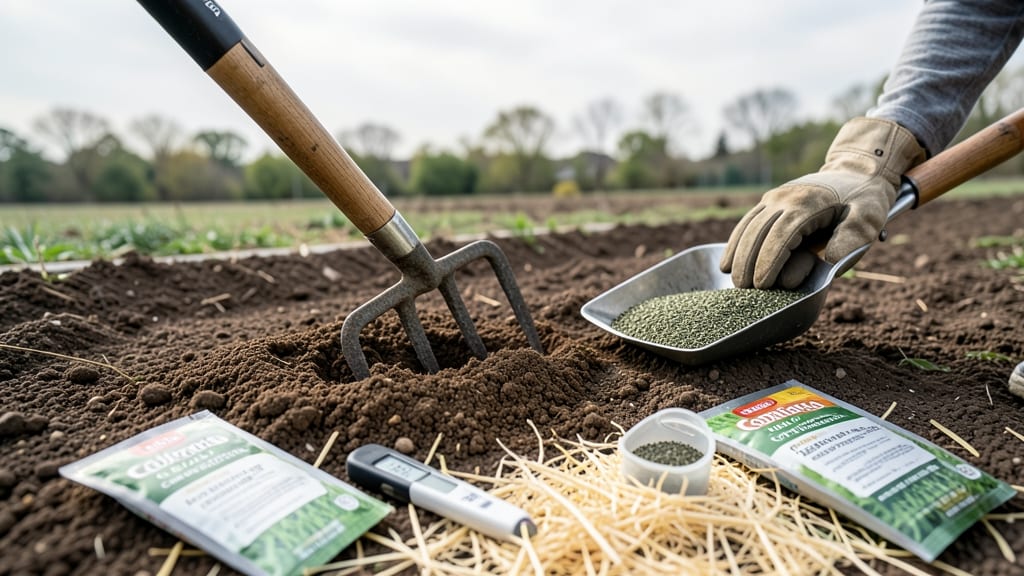
Timing your grass seed planting in Colorado could make the difference between a lush, green lawn and struggling 🌱 patches that never quite take hold. The state's dramatic elevation shifts and unpredictable weather mean planting too early or late can leave your seeds vulnerable to heat stress or frost damage.
Most Colorado gardeners know early fall and spring are the sweet spots, but the exact window depends on where you live. Whether you're in the Front Range, Western Slope, or Eastern Plains, getting the timing right ensures your grass establishes strong roots before winter or summer's harsh conditions.
Let me walk you through the best planting windows and what to watch for in your specific zone.
For Colorado's USDA zones 5-7, the ideal planting window stretches from late August through September for fall planting, or April through May for spring. These periods offer the perfect balance of soil temperature and moisture that grass seeds crave to germinate successfully.
I'll break down exactly what to look for in soil conditions and how to adjust your schedule based on elevation.
Beyond just the calendar, you'll want to know how to prepare your soil and maintain proper watering once those seeds hit the ground.
With the right approach, you can transform your Colorado lawn into the envy of the neighborhood - and avoid the common mistakes that leave so many lawns struggling year after year.
Best Colorado grass planting seasons: spring vs fall timing explained
Colorado’s diverse climate—from high-altitude mountains to arid plains—means the best time to plant grass seed depends on your elevation and microclimate. Most experts agree that late summer to early fall (August–September) and early spring (April–May) are ideal windows.
These periods offer cooler temperatures, reduced competition from weeds, and consistent moisture for seed germination.
For Front Range cities like Denver and Boulder (elevation 5,000–7,000 ft), aim for mid-September to early October in fall or mid-April to May in spring. In Western Slope areas (e.g., Grand Junction), plant 1–2 weeks earlier due to warmer soil.
Meanwhile, Eastern Plains (e.g., Colorado Springs) can extend fall planting into late October if soil stays above 55°F.
Soil temperature is the critical factor—seeds need 55–65°F soil to germinate. Use a soil thermometer to check; if temperatures dip below 50°F, germination slows dramatically. Spring planting risks late frosts, while fall planting benefits from cooler air and stored soil moisture.
🌱
| Season | Best Months | Soil Temp | Moisture Needs | Weed Competition |
|---|---|---|---|---|
| Fall | August–September | 55–65°F | Moderate (natural rainfall) | Low (weeds dormant) |
| Spring | April–May | 50–60°F | High (supplemental water) | High (weeds emerge early) |
| Late Summer | June–July | 65–75°F | Very High (drought risk) | Very High (weed boom) |
| Winter | November–March | Below 50°F | N/A (dormant) | N/A (frost kills seeds) |
*Adjust for elevation: Add 1–2 weeks earlier for high-altitude areas (e.g., 8,000+ ft).
If you miss the ideal windows, consider cool-season grasses like Kentucky bluegrass or tall fescue, which tolerate late fall planting (up to October 15 in most zones). For warm-season grasses (e.g., Bermuda grass), plant in late spring (May–June) when soil warms above 65°F.
Pro tip: Use a seed starter fertilizer (high in phosphorus) to boost root growth. In dry years, opt for fall planting—Colorado’s winter snow provides natural irrigation. For wet springs, spring planting reduces fungal risks.
Monitor local frost dates: Plant 4–6 weeks before the first frost to ensure roots establish. In USDA Zones 5–7, this typically means late August–early September for fall or mid-April–May for spring.
🌿
For high-elevation gardens (e.g., Aspen, 8,000+ ft), extend your spring window to late May due to cooler soils. Test soil moisture weekly—1–1.5 inches of water per week is ideal for germination. Use a lightweight mulch (e.g., straw) to retain moisture and regulate soil temperature.
Remember: Colorado’s microclimates vary wildly. Check your local CoCoRaHS station for rainfall data or consult your county extension office for hyper-local advice. With the right timing, your grass seed can establish deep roots before winter’s harshest conditions.
Best Colorado grass planting seasons: spring vs fall timing explained
Colorado’s diverse climate—from the Front Range’s cooler temperatures to the Western Slope’s arid conditions—means your grass seed planting timeline depends heavily on elevation and microclimates. Most gardeners in USDA Zones 5-7 agree that late summer to early fall (August-September) and early spring (March-April) offer the best windows for success.
For spring planting, aim for March to early May, once soil temperatures reach at least 55°F.
This timing lets seeds germinate before summer’s intense heat arrives. Fall planting, however, is often preferred—sowing in late August to September gives grass a head start on root growth before winter dormancy.
The key difference? Spring planting races against summer drought, while fall planting avoids early frost risks. Colorado’s average last frost date is April 15, but higher elevations (like the Rocky Mountains) may delay planting until May.
| Season | Best Months | Soil Temp | Pros | Cons |
|---|---|---|---|---|
| Spring | March–May | 55°F+ | Avoids summer drought | Risk of heat stress |
| Fall | August–September | 60–75°F | Strong root growth | Early frost risk |
Regional variations matter too. Front Range gardeners (Denver, Boulder) often plant in late April to early May for spring, while Western Slope areas (Grand Junction) may wait until May due to later warming.
Always check your local CoCoRaHS station for frost dates—Colorado’s first frost can arrive as early as October 15 in higher elevations.
For best results, test your soil temperature with a soil thermometer—ideal germination occurs between 60–75°F.
In dry climates like the Eastern Plains, water deeply before planting to encourage seed-to-soil contact. Kentucky bluegrass and tall fescue, Colorado’s top choices, thrive in these conditions when planted at the right time.
Pro tip: If you miss the spring window, don’t despair—fall planting still offers a 4–6 week window before frost. Just ensure your seeds have time to establish 1–2 inches of roots before winter sets in. Mulch lightly after planting to retain moisture and protect young shoots.
Timing isn’t just about months—it’s about soil conditions, weather patterns, and your specific Colorado region. Whether you choose spring or fall, prioritize consistent moisture and gentle care to give your grass the best shot at thriving in the Centennial State’s unique climate. 🌱