
Plants
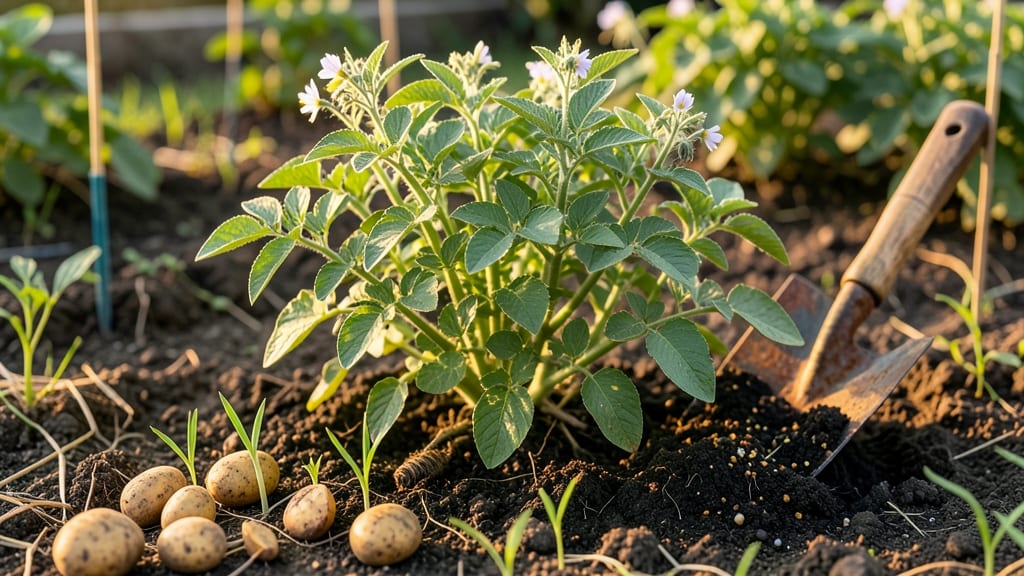
Planting potatoes in North Carolina at the wrong time can mean the difference between a bountiful harvest and a total flop—especially when your soil is still too cold or your frost dates are unpredictable.
The key to success lies in understanding when your region’s soil warms up enough for those little 🥔 sprouts to take off without rotting in the chill.
Most gardeners in NC’s 6b-8a zones can start as early as February for early varieties, but if you’re in the cooler mountain regions, waiting until April gives your tubers the best shot at thriving.
The trick? Monitoring soil temperature—it needs to hit at least 45°F before you even think about sticking those seed potatoes in the ground.
I’ve learned the hard way that rushing the process leads to soggy, moldy potatoes, while waiting too long cuts your harvest window short.
Whether you’re growing Yukon Golds or Red Pontiacs, timing your plantings to align with your local last frost date (usually around March 15 in the Piedmont) is non-negotiable for a fast and abundant yield.
In this guide, I’ll break down exactly how to read your soil’s cues, adjust for your specific NC region, and even extend your growing season with simple tricks. Let’s get those potatoes in the ground at the perfect moment—no guesswork, just golden spuds.
NC potato planting calendar by region: when to start for fast germination
North Carolina’s diverse climate means your potato planting window depends heavily on your region. The Coastal Plain enjoys earlier springs, while the Mountains face later frost risks. Aim to plant when soil reaches 45°F+ and 2-4 weeks before your last frost date—this ensures fast germination without rot.
Let’s break down the ideal planting windows by zone.
For Coastal NC (Zones 8a-8b), start as early as mid-February for early varieties like Yukon Gold. The last frost typically hits around March 1, so you’ve got a long growing season.
In the Piedmont (Zones 7a-7b), wait until late February to early March—last frosts average March 15. Mountain regions (Zones 6b-7a) should hold off until mid-to-late March to avoid frost damage.
Here’s the key rule: Plant seed potatoes (not slips) when soil is workable but not soggy. Early planting in warm zones risks rot, while late planting in cooler areas delays harvests. Use row covers or black plastic mulch to warm soil faster if needed.
If you’re planting slips (sprouted potato pieces) instead of whole seed potatoes, shift your timeline 2-3 weeks earlier. Slips germinate faster, giving you a head start in cooler zones.
For example, Mountain gardeners can plant slips in early March instead of waiting until mid-March. Just ensure slips have 1-2 inch sprouts before planting.
For a second harvest, try a fall planting in late July to early August. This works best in Coastal NC where summers are long. Use early-maturing varieties like Red Pontiac and harvest before the first frost in November.
Just be prepared for shorter daylight hours, which slows tuber growth.
Always check your local Cooperative Extension Service for micro-climate adjustments. For instance, Asheville’s higher elevation may frost later than Raleigh’s lower Piedmont. A quick call or website check can save your crop from unexpected cold snaps.
One more trick: Chit your seed potatoes (expose to light for 2-3 weeks before planting) to jumpstart sprouting. This gives you a 10-14 day advantage in cooler zones like the Mountains. Just avoid planting chitted potatoes too early—they’ll rot if soil is cold.
Remember, soil temperature matters more than air temperature. Use a soil thermometer (or your elbow—if it’s too cold to keep inserted for 5 seconds, wait). Aim for 50°F+ at planting depth for consistent germination.
Now that you’ve got your planting window locked in, let’s talk about soil prep. Loosen soil to 12 inches deep, mix in compost, and avoid fresh manure—it can cause scab disease. Next up: how to test and warm up your soil for faster sprouting! 🌱
Soil temperature secrets: how to test and warm up planting beds early
Potatoes need consistent soil temperatures above 45°F to germinate properly. In North Carolina’s cooler mountain regions, this can delay planting until late April, while coastal areas may be ready as early as February. Testing your soil temperature is the key to unlocking faster sprouts and healthier plants.
Use a soil thermometer (available at garden centers for $10–$20) to check temperatures at a 4-inch depth—this is where your seed potatoes will sit. Morning readings are most reliable because soil warms up during the day. Aim for temperatures between 50–60°F for optimal germination.
🌱 Key Takeaway: Soil Temp Rules for NC Potatoes
- Minimum: 45°F (barely tolerates, slow germination)
- Ideal: 50–60°F (fast, even sprouting)
- Maximum: 85°F (risk of scorch, stress on tubers)
💡 Pro Tip: Plant seed potatoes (not slips) when soil hits 50°F for 7 consecutive days.
If your soil is still too cold in early spring, try these tricks to warm it up faster:
- Black plastic mulch: Lay down 1–2 weeks before planting to absorb sunlight and raise soil temps by 5–10°F.
- Row covers: Use floating fabric over planted rows to trap heat during the day.
- Compost piles: Build small piles near planting areas to radiate heat into the soil.
For early varieties like 'Yukon Gold', you can even start indoor sprouting in late winter. Place seed potatoes in a bright, cool spot (60°F) and watch for sprouts in 2–3 weeks. Once soil warms up, transplant these pre-sprouted potatoes for a 2-week head start on growth.
Remember: Cold soil + wet conditions = rot. If your garden floods after planting, use a raised bed or mound soil to improve drainage. This is especially critical in NC’s Piedmont region, where spring rains can linger.
Once your soil hits the sweet spot, plant seed potatoes 4 inches deep and cover with 3–4 inches of loose soil. As plants grow, hill soil around stems to encourage tuber formation.
With the right soil temp, you’ll see sprouts in 10–14 days—a sure sign your potatoes are on their way to a bountiful harvest! 🌱