
Plants
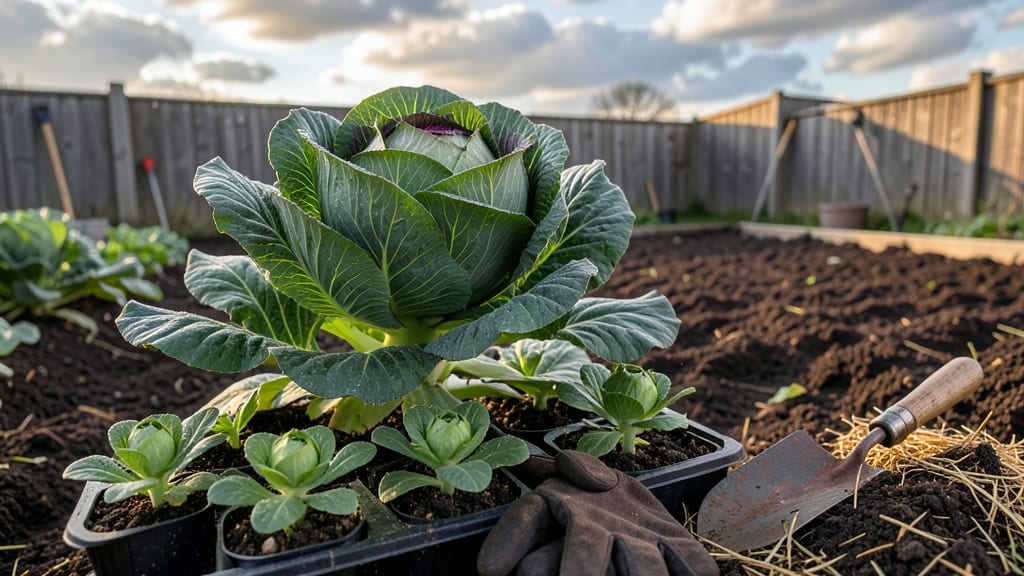
Planting 🥬 cabbage in North Carolina at the wrong time means bitter, bolting heads instead of the sweet, crisp harvests you crave.
The key to success lies in understanding your USDA zone—whether you're in the cooler mountains or warmer coastal plains—and planting within a 4-week window before your last frost date.
For gardeners in zones 7a-8b, timing is everything: too early, and your cabbage will bolt in the heat; too late, and frost will ruin your crop.
I’ll break down the exact months to start seeds indoors or direct-sow for both spring and fall harvests, so you can avoid common mistakes that waste time and effort.
What if your region runs hotter than average? We’ll cover how to adjust planting dates using shade cloth or row covers to protect your plants during summer’s peak. Trust me, these small tweaks make the difference between a thriving garden and a disappointing one.
Ready to grow cabbage that’s tender, flavorful, and ready to harvest? Let’s dive into the zone-specific schedule that works for North Carolina’s unique climate—so you can enjoy homegrown 🥬 from spring through fall.
North Carolina cabbage planting calendar by USDA zones (7a-8b) for fall and spring harvests
North Carolina’s USDA zones 7a-8b create perfect conditions for cabbage—but getting the timing right means the difference between crisp harvests and bitter bolting. The state’s varied climate demands zone-specific planting windows to avoid summer heat stress or winter frost damage.
Let’s break down the ideal planting calendar for both spring and fall harvests across NC’s regions.
For spring cabbage, the goal is to plant 4-6 weeks before your last frost date, which typically falls in mid-April for most of NC.
Coastal areas (Zone 8a-8b) can start slightly earlier, while mountain regions (Zone 7a) should wait until late February to early March. Fall planting works best when seeds go in July-August, giving plants time to mature before the first frost in mid-October.
Here’s a zone-specific planting guide to help you align your schedule with North Carolina’s climate. This table covers early fall, mid-fall, and spring sowing windows to ensure bolting-free heads.
| USDA Zone | Spring Planting Window | Fall Planting Window | Harvest Time | Key Notes |
|---|---|---|---|---|
| 7a (Mountains) | Late Feb - Early Mar | Late July - Early Aug | May-June & Oct-Nov | Coolest zone; use row covers for fall |
| 7b (Piedmont) | Early Feb - Mid-Mar | Mid-July - Late Aug | May-June & Oct-Nov | Moderate climate; ideal for early varieties |
| 8a (Coastal) | Mid-Jan - Early Feb | Early July - Mid-Aug | Apr-May & Sep-Oct | Warmest zone; prioritize heat-tolerant varieties |
| 8b (Southeast) | Late Jan - Early Feb | Early July - Early Aug | Apr-May & Sep-Oct | Longer growing season; can extend fall harvests |
For gardeners in Zone 7a (mountains), I recommend starting cabbage seeds indoors in late January to get a head start. Transplant seedlings outdoors in late February once soil temperatures reach 45°F.
In Zone 8b (coastal), you can push the envelope by planting early varieties as soon as January, but be prepared to use shade cloth during summer to prevent bolting.
If you’re aiming for a fall harvest, prioritize mid-season varieties like ‘Golden Acre’ or ‘Market Price’ for Zone 7b. These mature in 70-80 days, giving you time to harvest before the first frost.
In Zone 8a, opt for heat-tolerant varieties such as ‘Cavalo’ or ‘Red Express’ to handle the coastal heat.
Pro tip: Use a soil thermometer to confirm soil temps are 50°F or above before planting. Cold soil delays germination
How to adjust cabbage planting dates for North Carolina’s microclimates and soil conditions
North Carolina’s diverse climate—from the coastal plains to the mountainous west—means your cabbage planting dates should shift based on elevation and local weather patterns. In USDA Zone 7a (mountains), cooler temps let you plant 4-6 weeks earlier than in Zone 8b (coastal areas), where summer heat arrives sooner.
For example, mountain gardeners can start seeds indoors in January, while coastal gardeners wait until mid-February to avoid heat stress.
Soil temperature is another critical factor. Cabbage thrives when soil reaches 40°F—cooler than many gardeners realize. Use a soil thermometer to confirm readiness, especially in piedmont regions where nights stay chilly longer. If your soil is too cold, delay planting or use black plastic mulch to warm it faster.
In coastal areas, where humidity lingers, opt for disease-resistant varieties like ‘Golden Acre’ or ‘Wisconsin All Seasons’ to combat fungal risks.
Here’s how to fine-tune your planting schedule for NC’s microclimates:
If you’re in a high-elevation microclimate (like the Blue Ridge Mountains), consider planting bolting-resistant varieties like ‘Tendercrisp’ or ‘Red Express’ to handle temperature swings. These varieties tolerate cooler nights better than standard types.
For coastal gardeners, prioritize shade cloth during peak summer (June–July) to prevent heat stress, which triggers bolting.
Pro tip: Monitor your local NC State Extension frost forecasts weekly. Coastal areas often see earlier frosts than inland zones, so adjust your fall planting timeline accordingly.
For example, in Wilmington (Zone 8b), aim to harvest by October 15, while Asheville (Zone 7a) can safely harvest until November 1.
By tailoring your planting dates to NC’s microclimates and soil conditions, you’ll avoid the pitfalls of bolting and poor yields—and enjoy crisp, homegrown cabbage year-round. 🌱