
Companion Plants
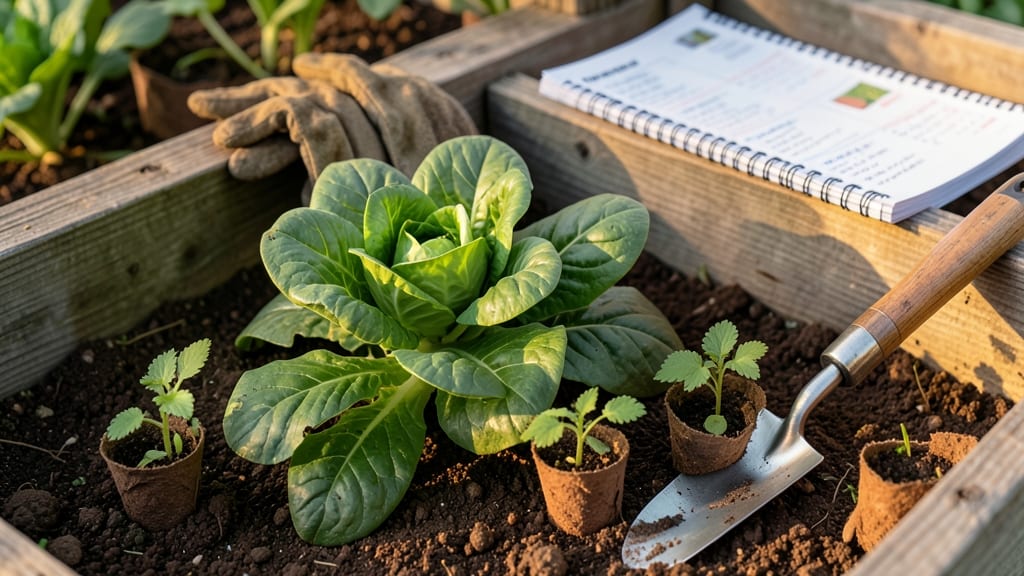
Planting lettuce in Zone 6 at the wrong time can turn your crisp 🥬 dreams into bitter disappointment—because those delicate seeds need just the right conditions to thrive.
Whether you're a first-time gardener or a seasoned green thumb, knowing the exact windows for planting (like March–April for spring and August–September for fall) makes all the difference between a bountiful harvest and wasted effort.
Here’s the secret: lettuce hates heat and bolts faster than you can say "salad night." In Zone 6, you’ve got a narrow 60-day window before summer’s scorching temperatures trigger that unwanted flower stalk.
But don’t stress—with the right timing and a few smart tricks, you can stretch your growing season and enjoy fresh greens well into fall.
I’ll break down the fastest, foolproof planting schedule for your zone, including how to adjust for cooler microclimates and when to reach for row covers. Plus, I’ll share my top tips for avoiding common mistakes that kill germination before it even starts.
Ready to grow lettuce that’s crisp, fast, and frustration-free? Let’s get those seeds in the ground at the perfect moment—before the heat gets the best of them.
Zone 6 lettuce planting calendar: exact dates to avoid heat stress and bolting
Lettuce thrives in Zone 6’s cooler seasons, but timing is everything. Plant too early, and seeds rot in cold soil; too late, and summer heat triggers bolting (premature flowering). The key is soil temperatures between 40–75°F—ideal for germination and growth.
For most of Zone 6, this means two distinct planting windows: early spring and late summer. Let’s break down the exact dates and regional adjustments to maximize your harvest.
In northern Zone 6 (e.g., northern Illinois, Indiana), aim for March 15–April 15 for spring plantings. Warmer microclimates in southern Zone 6 (e.g., Kentucky, Tennessee) can start 2–3 weeks earlier, around March 1–March 15.
Always check your last average frost date (typically April 15 for Zone 6) and plant 4–6 weeks before to ensure a 60-day harvest window before summer heat sets in.
Fall plantings are equally critical. Start seeds indoors 4–6 weeks before your first frost (usually August 15–September 1) or direct-sow outdoors by August 15.
This gives lettuce enough time to mature before first frost (October 15). Use row covers or shade cloth to extend the season if needed.
🌱
| Season | Planting Window | Soil Temp | Key Notes |
|---|---|---|---|
| Early Spring | March 15–April 15 | 40–55°F | Use row covers for frost protection; avoid waterlogging. |
| Late Summer | August 15–September 1 | 60–75°F | Choose heat-tolerant varieties; mulch to retain moisture. |
| Fall Extension | September 15–October 1 | 50–65°F | Use shade cloth (30–50%) to delay bolting; harvest before frost. |
Zone 6’s microclimates matter—urban areas often warm up faster than rural spots. For example, Chicago’s last frost might be May 1, while central Illinois averages April 15. Use a local frost calendar (like the National Gardening Association’s tool) to fine-tune your dates.
If you’re unsure, test soil temperature with a thermometer—lettuce seeds need at least 40°F to germinate, but 50°F+ is ideal.
Bolting is the biggest enemy in Zone 6’s heat. Once temperatures exceed 75°F for 3+ days, lettuce shifts from leaf production to flowering. To combat this, plant heat-tolerant varieties like ‘Jericho’ or ‘Black Seeded Simpson’, which handle 80°F better than standard types.
Pair this with daily watering (1–2 cups per plant) and morning irrigation to keep roots cool.
For northern Zone 6 gardeners, consider cold-hardy varieties like ‘Winter Density’ or ‘Arctic King’, which tolerate light frosts and even brief snow cover. These can be planted as early as February under row covers for a super-early spring harvest.
Just remember: remove covers during the day to prevent overheating.
💧
Pro tip: Succession plant every 2–3 weeks in spring and fall to stagger harvests. For example, if you plant March 15, April 1, and April 15, you’ll have continuous lettuce from May through October.
This also reduces the risk of pest outbreaks (like aphids) wiping out your entire crop at once.
Finally, avoid summer plantings—lettuce planted in June or July will almost certainly bolt by August. Instead, focus on fall extensions or container growing (using 5-gallon pots) to grow lettuce on patios or balconies where temperatures are slightly cooler.
How to extend your lettuce harvest in Zone 6: succession planting and heat-tolerant varieties
Zone 6 gardeners know the struggle: summer heat turns your lettuce bitter or causes it to bolt before you can enjoy a single crisp leaf. The secret to a continuous harvest? Succession planting paired with heat-resistant varieties—both of which let you enjoy fresh greens well into fall.
Start by planting your first batch 4–6 weeks before your last frost date (typically mid-March in Zone 6). Then, sow new seeds every 2–3 weeks until early July. This staggered approach ensures you always have tender lettuce ready to harvest as older plants mature.
For heat-tolerant varieties, opt for types like 'Black Seeded Simpson' or 'Jericho', which handle warmer temperatures better than delicate butterheads. These varieties can even survive light frosts, extending your growing window into early fall.
🌱 Pro Tip: Use shade cloth (30–50%) during peak summer months to protect seedlings from intense sunlight, which triggers bolting. Even a simple row cover can buy you extra weeks of growth.
Mulching with straw or grass clippings keeps soil cool and moist, while also suppressing weeds. Apply a 2–3 inch layer around plants to regulate temperature and retain moisture—critical for lettuce’s shallow roots.
If your summer heat stretches into August, switch to container growing for late-season plantings. Pots warm up faster than garden beds, giving you control over soil temperature and drainage.
By combining succession planting, heat-resistant varieties, and shade protection, you can enjoy homegrown lettuce from late spring through October—no bitter bolting in sight!
- First planting: 4–6 weeks before last frost
- Subsequent plantings: Every 2–3 weeks until July
- Fall extension: August–early September for late harvests
- 'Black Seeded Simpson' (crisphead, bolt-resistant)
- 'Jericho' (romaine, thrives in heat)
- 'Summer Crisp' (butterhead, slower to bolt)
- 'Oakleaf' (looseleaf, heat-tolerant leaves)
- 'Rouge d’Hiver' (winter-hardy, late-season performer)
- Use 30–50% shade cloth in peak summer
- Mulch with 2–3 inches of straw to retain moisture
- Water deeply in the morning to avoid stress
- Use 5–7 gallon pots for individual plants
- Place in partial shade by midday
- Harvest every 2–3 weeks to encourage regrowth
With these strategies, you’ll turn Zone 6’s short growing season into a year-round lettuce feast—no more wasted seeds or bitter harvests! 🥬