
Plants
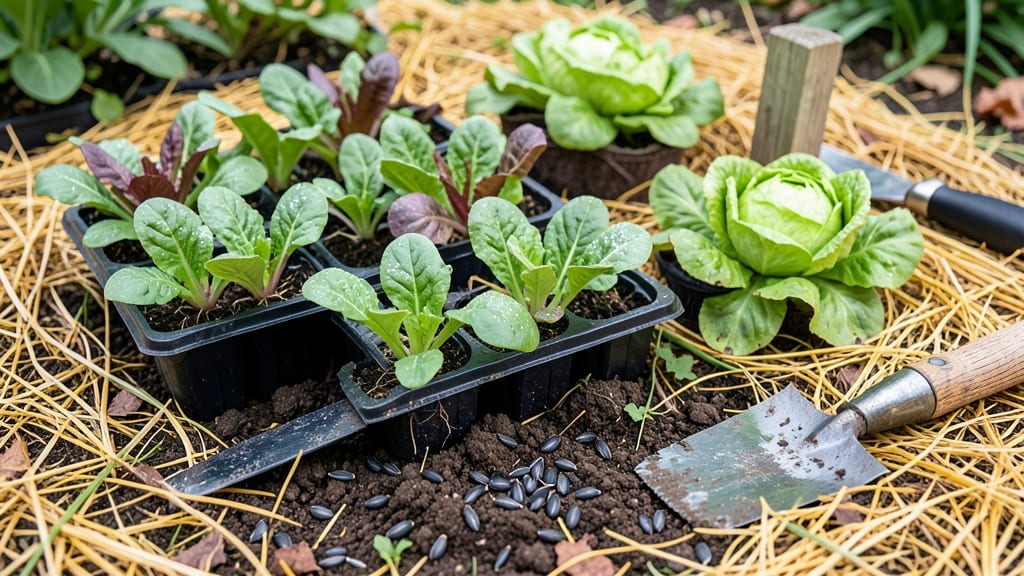
Planting fall lettuce in Zone 6 at the wrong time means watching your crisp 🥬 turn bitter or bolt before harvest—don’t let that happen to you. The key to fast, reliable germination lies in understanding soil temperatures and frost dates, not just calendar months.
Most gardeners in Zone 6a assume August is the only window, but the truth is more nuanced. Plant too early, and heat will trigger bolting; too late, and frost will cut your season short.
I’ll show you how to pinpoint the perfect 4-week window for your variety—whether it’s heat-tolerant romaine or cold-hardy leaf lettuce.
Beyond timing, soil prep makes all the difference. We’ll cover how to test soil temps, amend your beds for faster growth, and even use shade cloth to trick lettuce into thinking it’s cooler. These small adjustments can mean the difference between a fast 4-week harvest and a disappointing one.
Ready to grow lettuce that’s crisp, sweet, and ready to pick in October? Let’s dive into the exact dates, varieties, and tricks that work in Zone 6—no more guesswork, just guaranteed success.
Ideal soil temperature ranges for planting fall lettuce in Zone 6
Lettuce thrives in cooler temperatures, but getting the soil temperature just right is critical for fast germination and healthy growth. In Zone 6, summer heat can trick lettuce into bolting (premature flowering), while fall planting requires precise timing to avoid frost damage.
The sweet spot for direct sowing is between 45°F–65°F, while transplants can handle slightly warmer soil up to 75°F.
Why does soil temperature matter so much? Lettuce seeds need consistent moisture and stable warmth to sprout efficiently. If the soil is too hot (80°F+), seeds may rot or bolt prematurely.
Conversely, if it’s too cold (below 40°F), germination slows dramatically. Testing your soil temperature with a soil thermometer (inserted 1 inch deep) is the best way to time your planting perfectly.
Here’s how soil temperature affects different lettuce types in Zone 6: - Heat-tolerant varieties (e.g., Romaine, Buttercrunch) can handle soil temps up to 70°F but still prefer cooler roots. - Cold-hardy varieties (e.g., Winter Density, Arctic King) thrive in 45°F–60°F soil and can even survive light frosts.
| Planting Method | Ideal Soil Temp | Best Varieties | Zone 6 Planting Window |
|---|---|---|---|
| Direct Sowing | 45°F–65°F | Leaf, Butterhead, Loose-leaf | Late August–Early September |
| Transplanting | 50°F–75°F | Romaine, Buttercrunch, Winter Density | Mid-August–Mid-September |
| Succession Planting | 45°F–60°F | Loose-leaf, Arctic King | September–Early October |
If your soil runs hotter than ideal in late summer, try these tricks to cool it down: - Shade cloth (30–50%) over seed beds reduces soil temps by 10–15°F. - Mulch with straw or shredded leaves to insulate and retain moisture. - Plant in partial shade (e.g., under taller crops like corn or sunflowers).
For transplants, harden them off for 7–10 days before moving to the garden. Acclimate seedlings to outdoor conditions gradually by placing them in dappled shade during the day and bringing them in at night. This reduces transplant shock and helps roots adjust to Zone 6’s fluctuating fall temps.
Pro tip: In Zone 6, aim to have lettuce fully mature 4–6 weeks before the average first frost (typically October 15). Use a frost calculator (like the Old Farmer’s Almanac) to adjust your planting dates if your area has an earlier or later frost history.
Remember, lettuce is a cool-season crop, so the sooner you plant in fall, the longer your harvest window. But don’t rush—slow, steady growth yields the crispest leaves. Start with small test batches in late August to gauge your soil’s cooling trend.
Once your lettuce is in the ground, consistent moisture is key. Water deeply once or twice weekly, focusing on the root zone to prevent stress. A drip irrigation system or soaker hose keeps soil evenly moist without wetting the leaves (which can cause disease).
By mastering soil temperature and planting at the right time, you’ll enjoy crisp, bolt-free lettuce well into November—even in Zone 6’s unpredictable fall weather. 🥬
Zone 6 fall lettuce planting calendar: exact dates by variety type
Planting fall lettuce in Zone 6 requires precision timing to avoid bolting or frost damage. Your last frost date (around October 15) is your anchor—aim to harvest before then.
For crisp, flavorful lettuce, start sowing leaf varieties in early August and romaine/butterhead in mid-August. Loose-leaf types can handle later plantings into early September.
Use this month-by-month guide to match your variety type with the ideal planting window. Heat-tolerant varieties like Black Seeded Simpson thrive in August, while cold-hardy Winter Density can handle September sowings. Adjust dates if your first frost arrives earlier or later than average.
📅 Pro Tip: Check your local frost dates (use the National Weather Service) and plant 6–8 weeks before the first frost for a full harvest. For example, if frost hits October 10, sow by August 15.
| Variety Type | Ideal Planting Window (Zone 6) | Harvest Window | Notes |
|---|---|---|---|
| Leaf Lettuce (e.g., Black Seeded Simpson) | Early August to mid-August | September–October | Fast-growing; harvest outer leaves to extend season. |
| Romaine (e.g., Parris Island) | Mid-August to early September | October–November | Heat-tolerant; needs consistent moisture. |
| Butterhead (e.g., Buttercrunch) | Late August to mid-September | October–November | Sensitive to heat; plant later for cooler temps. |
| Loose-Leaf (e.g., Salad Bowl) | Early August to late September | September–November | Cold-hardy; great for succession planting. |
For a continuous harvest, stagger plantings every 2–3 weeks starting in August. For example, sow leaf lettuce on August 1, August 15, and August 30 to enjoy fresh greens through November. This succession method ensures you’re always harvesting something while avoiding bolting from heat stress.
If you’re short on time, focus on loose-leaf varieties—they’re the most forgiving for late plantings (up to early September) and can tolerate light frost. For head lettuce like romaine, prioritize mid-August sowings to give plants enough time to mature before cold snaps.
🌱 Zone 6 Reminder: Soil temps below 45°F slow germination, while temps above 75°F trigger bolting. Use a soil thermometer to confirm ideal conditions before sowing.