
Companion Plants
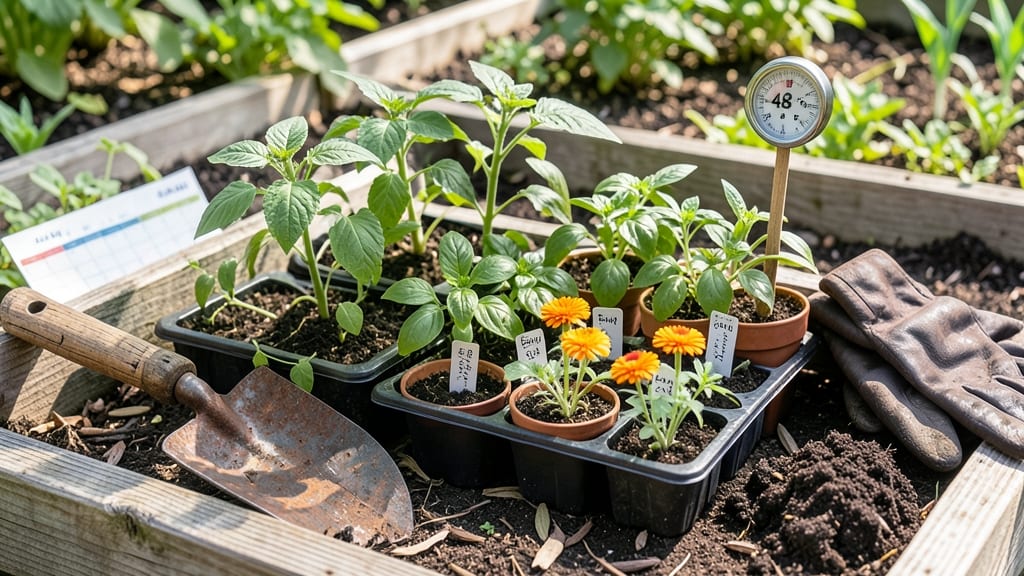
When can I plant in Zone 6b? Timing your garden just right could mean the difference between a bountiful harvest and wasted effort. The last frost typically arrives around mid-April, but knowing exactly when to plant—whether it’s cool-season veggies or heat-loving tomatoes—is the key to success.
I’ve spent years perfecting my Zone 6b planting schedule, and what I’ve learned will save you from common mistakes. From early spring starts to fall planting strategies, this guide breaks down the exact windows for every crop type so you can grow with confidence.
Whether you’re a beginner or a seasoned gardener, understanding frost dates and microclimates will help you stretch your growing season. Let’s dive into the precise timelines and tips to maximize your garden’s potential this year.
Ready to transform your garden? You’ll discover how to time plantings perfectly, extend harvests, and even adjust for urban or rural growing conditions. The right timing makes all the difference—let’s get started!
Zone 6B last-frost dates: exact timelines for spring planting
Zone 6B gardeners face a critical window between April 15 and May 15 for spring planting. These dates mark the average last-frost range, but your exact timeline depends on elevation, microclimates, and recent weather patterns.
For example, urban areas often warm 1-2 weeks later than rural spots due to heat island effects.
To pinpoint your local last-frost date, check the National Weather Service or use a frost calendar from your county extension office.
I’ve planted cool-season crops like spinach in early April only to lose them to a late frost—so I now wait until mid-May for heat-lovers like tomatoes unless I use row covers.
Microclimates play a huge role. A south-facing slope might warm enough for peppers by May 1, while a low-lying area could still see frost in early June. Observe your garden’s patterns for 3 years to refine your schedule.
Here’s how to adjust: If your area had an early spring (like 2024’s warm March), you can plant warm-season crops by April 20. But if you’re in a late-spring zone, wait until May 20 to avoid frost damage.
For seedlings, harden off plants for 7-10 days before transplanting after your last frost. I always keep a portable greenhouse nearby to protect young plants from unexpected 28°F drops.
Pro tip: Use frost cloth to extend your season by 2-4 weeks. I’ve successfully grown basil until October using this method in my Zone 6B garden.
| Frost Stage | Average Date (Zone 6B) | Adjustment Tips |
|---|---|---|
| Last Spring Frost | April 15–May 15 | Urban areas: +7–14 days |
| First Fall Frost | October 15–November 1 | High elevations: +7–10 days earlier |
| Frost-Free Window | 165–180 days | Row covers extend by 30+ days |
| Safe Planting Window | May 15–June 15 | Soil temp ≥50°F for warm crops |
For cool-season crops like kale or peas, you can start 6 weeks before your last frost—so mid-March in most of Zone 6B. These hardy plants tolerate light frosts (28°F) and even thrive when temperatures dip to 20°F.
Warm-season crops like tomatoes and peppers need soil temperatures above 60°F. I test soil temp with a thermometer—if it’s below 55°F, wait another week. These plants won’t germinate in cold soil, no matter how warm the air feels.
First-time gardeners often make the mistake of planting warm-season crops too early. I’ve seen eggplants wilt dramatically when night temps drop below 50°F. Always check your local frost date history to avoid this pitfall.
Remember: Frost dates shift yearly. Use a 3-year average of your local data for the most accurate planting schedule. For example, my garden’s last frost has ranged from April 5 to May 10 over the past decade.
If you’re unsure, start with fast-growing crops like radishes or lettuce in early spring. They’ll give you quick feedback on your soil’s readiness while you monitor frost patterns.
Best crops to plant in Zone 6B by frost-free window
Zone 6B’s 165 frost-free days create a unique window for growing everything from cool-season greens to heat-loving tomatoes. Timing is everything—plant too early, and frost zaps tender seedlings; too late, and your summer crops bolt or fail to mature.
Let’s break it down by crop category and their ideal planting windows.
For cool-season crops like lettuce, spinach, and peas, start seeds indoors 4-6 weeks before your last frost (around March 15) or direct-sow outdoors 2-4 weeks before. These hardy plants tolerate light frosts and even thrive in spring’s cooler temps.
Meanwhile, warm-season crops like peppers, eggplants, and basil need the soil to warm to 60°F+, so wait until after May 15 to transplant seedlings.
🌱
- 1 Cool-Season Crops (March–April): Lettuce, spinach, peas, broccoli, cabbage. Direct-sow 4-6 weeks before last frost (March 15–April 1). Use row covers for extra protection.
- 2 Early Warm-Season (May): Tomatoes, peppers, cucumbers, beans. Transplant seedlings after May 15 when soil hits 60°F+. Harden off seedlings for 7-10 days before moving outdoors.
- 3 Heat-Tolerant Crops (July–August): Okra, sweet potatoes, southern peas. Sow after July 1 to avoid bolting. These thrive in Zone 6B’s summer heat and extend harvests into fall.
- 4 Fall Planting (August–September): Kale, radishes, carrots, beets. Direct-sow 6-8 weeks before first frost (early September). Choose fast-maturing varieties for late-season harvests.
- 5 Perennials & Ornamentals: Plant aspen trees, daylilies, and lavender in early spring (April) or fall (September–October). They establish roots before winter dormancy.
Don’t overlook microclimates in your Zone 6B garden. A south-facing slope warms up faster, letting you plant tomatoes 1-2 weeks earlier than the average last-frost date.
Conversely, low-lying areas may experience frost 10-14 days later, so monitor local weather forecasts or invest in a soil thermometer ($15–$20) to track soil temps.
For container gardening, warm-season crops like peppers and eggplants need extra care—they’re slower to warm up. Use black plastic mulch or heat mats to raise soil temps by 5–10°F, giving them a head start.
Pair heat-loving plants with companion plants like basil (which deters pests) or marigolds (which repel nematodes) to maximize your space.
🌿