
Flowers
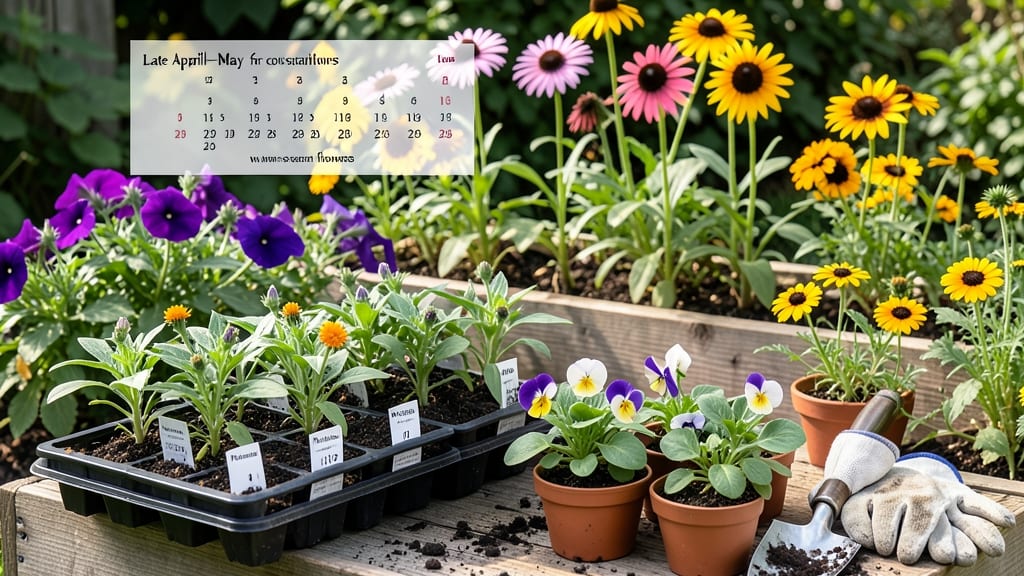
Planting your 🌸 flowers at the wrong time in Rhode Island’s 6a zone can mean the difference between a showstopping garden and a season of disappointment.
Whether you’re dreaming of vibrant annuals or hardy perennials, timing is everything—especially when last frosts linger near April 15 and coastal breezes can push back your planting window.
I’ve learned the hard way that rushing spring blooms or waiting too long for fall plantings can leave your garden looking sparse. The key is understanding Rhode Island’s two planting windows: late April through early June for spring, and August through early September for fall.
But here’s the secret—some flowers thrive with an early start, while others need to wait until the soil warms to 60°F.
In this guide, I’ll break down exactly when to plant each type of flower—from fast-blooming annuals to long-lived perennials—plus how to adjust for Rhode Island’s microclimates. You’ll discover which varieties to start indoors, which can handle a light frost, and how to stretch your bloom season with smart timing.
Ready to transform your garden into a year-round paradise? Let’s dive into the frost-date cheat sheet that’ll keep your flowers blooming from spring to fall—no guesswork required.
Rhode Island frost dates & best planting months by flower type
Rhode Island’s USDA zones 6a-7a bring short but sweet growing seasons, so timing is everything. The average last frost date hovers around April 15, but coastal areas like Newport can delay frost by 1-2 weeks.
Inland spots like Providence may see frost as late as May 1, so always check local forecasts or use frost-free date calculators.
For annual flowers, wait until soil temps hit 60°F+—usually late April to early May—to avoid frost damage. Perennials and hardy bulbs can go in as early as March to April, while tender perennials like dahlias wait until after Memorial Day.
Fall planting for cool-season bloomers starts in August.
Pro Tip: Use row covers or cold frames to extend your planting window by 2-3 weeks in spring or fall. Coastal gardens often enjoy earlier springs due to ocean moderation, while inland areas may need to wait longer for stable warmth.
| Flower Type | Best Planting Window | Notes for RI |
|---|---|---|
| Annuals (e.g., Marigolds, Zinnias) | Late April–Early June | Wait for soil at 60°F+; coastal areas can plant 1-2 weeks earlier. |
| Perennials (e.g., Coneflowers, Black-Eyed Susans) | March–April or August–September | Spring planting for early blooms; fall planting for root establishment. |
| Bulbs (e.g., Tulips, Daffodils) | September–October (fall) or March (spring) | Fall planting yields bigger blooms; spring planting is riskier for RI’s frost. |
| Cold-Hardy Annuals (e.g., Pansies, Snapdragons) | March–April or August–September | Tolerate light frost; ideal for early/late-season color. |
| Tender Perennials (e.g., Dahlias, Cannas) | Late May–June | Wait until after last frost; may need winter protection. |
Rhode Island’s coastal microclimates (like Block Island) often see earlier springs and later falls than inland areas. If you’re near the ocean, you might safely plant annuals by mid-April, while inland gardeners should wait until early May.
Always monitor soil temperature—a soil thermometer is your best friend for avoiding frost surprises.
Fall planting is a game-changer in Rhode Island. By planting cool-season flowers like pansies or calendula in August, you’ll enjoy blooms until first frost in October. For spring-blooming bulbs, aim for September planting to give roots time to establish before winter.
Don’t forget container gardening! Potted flowers can be moved to protected spots if frost threatens. Terracotta pots warm up faster in spring, giving you a 2-week head start on in-ground planting. Just ensure pots have drainage holes to prevent root rot from Rhode Island’s wet springs.
For urban gardeners, pavement and buildings create microclimates that warm up faster. If your garden is near a south-facing wall, you might plant 1-2 weeks earlier than neighbors.
Conversely, shady spots (common in older RI neighborhoods) delay planting by 10-14 days—opt for shade-tolerant flowers like impatiens or ferns.
Always check local nursery recommendations—many RI garden centers (like Crosby’s Nursery or The Garden at Chepachet) offer planting calendars tailored to your ZIP code. Their insights on soil prep and mulching can shave weeks off your growing season.
Remember: Rhode Island’s frost dates shift yearly. Bookmark the National Weather Service’s frost prediction tool or sign up for local gardening group alerts (like Rhode Island Gardening Club) to stay ahead of the curve.
With the right timing, your garden can bloom from May to October—no sad, wilted disappointments here! 🌸
Top 5 flowers to plant early vs. late in Rhode Island (and why)
Rhode Island’s short growing season means timing is everything—some flowers need an early start to beat the heat, while others thrive when planted later.
I’ve found that cool-season bloomers like pansies and snapdragons can handle Rhode Island’s late April frosts, while heat-lovers like zinnias and marigolds wait until mid-May when soil warms to 60°F.
Planting too early can stunt growth, but waiting too long risks missing the bloom window. For example, pansies planted in March will reward you with early spring color, while zinnias planted in June will shine in late summer.
The key is matching each flower’s temperature tolerance to Rhode Island’s two planting windows.
Here’s the breakdown of my top 5 early vs. late plantings, plus the flowers to avoid planting too soon—trust me, I’ve learned this the hard way!
🌱 Plant Early (March-April)
- 🌼 Pansies: Cold-hardy (tolerates 28°F), blooms 6-8 weeks after planting.
- 🌷 Snapdragons: Thrives in cool temps, great for spring containers.
- 💐 Calendula: Edible petals, disease-resistant, loves early spring.
- 🌿 Sweet Alyssum: Fast-growing, attracts pollinators early.
- 🌱 Dianthus: Fragrant, tolerates light frost, ideal for rock gardens.
☀️ Plant Late (May-June)
- 🌻 Zinnias: Heat-loving, blooms 60-70 days after planting.
- 🌼 Marigolds: Pest-repellent, thrives in hot summers.
- 🌺 Sunflowers: Needs warm soil, grows 6-10 ft tall.
- 🌸 Cosmos: Drought-tolerant, blooms nonstop in summer.
- 🌹 Petunias: Long bloom season, needs afternoon shade in July.
Why this matters: Early plantings give you spring color when other gardens are still bare, while late plantings ensure summer-long blooms. For example, pansies planted in March will still bloom in May, while zinnias planted in June will keep going until first frost.
Pro tip: Use row covers to protect early plantings from late frosts (like the one that hit May 10, 2022). And for late plantings, water deeply to help roots establish before summer heat sets in. Your garden will thank you with nonstop blooms!
🌸