
Plants
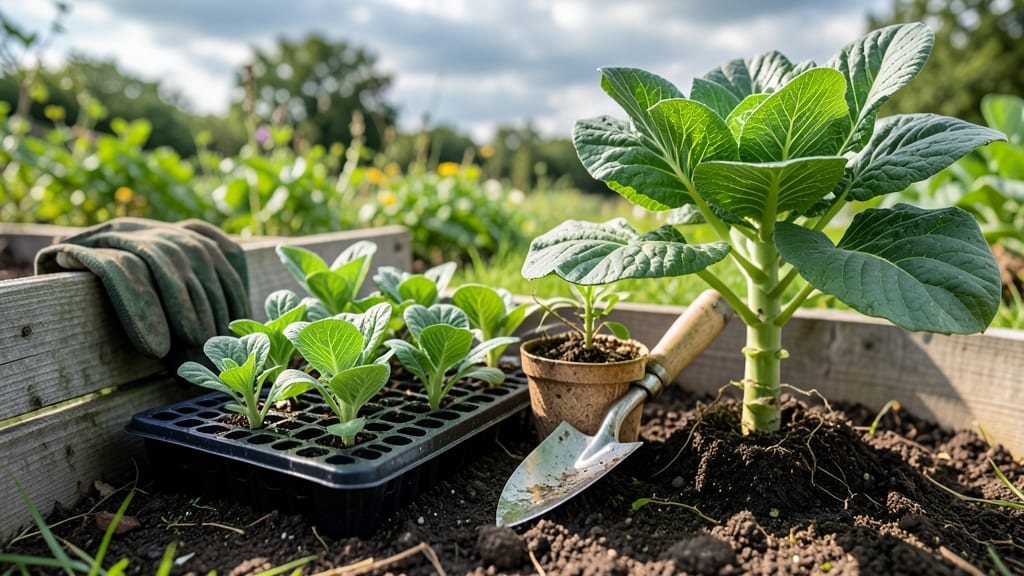
Planting cabbage 🥬 at the wrong time in Zone 7b can turn your sweet harvests into bitter, bolting disappointments—so timing isn't just important, it's everything. The difference between crisp, firm heads and sad, seed-stalked failures often comes down to those 30-day windows before your last frost.
If you've ever watched your cabbage bolt prematurely or struggle in summer heat, you know how frustrating it can be. The key is planting when soil temperatures stay cool—between 40°F and 75°F—and avoiding those scorching August afternoons that trigger bolting.
For Zone 7b, that means two perfect opportunities: early spring (March) and late summer (August).
I've learned the hard way that rushing your planting can backfire—whether you're starting seeds indoors or transplanting seedlings. The right timing ensures your 🥬 grows strong, sweet, and ready for harvest by June or October, not weeks early when heat stress sets in.
Let me show you exactly when to plant for foolproof results.
From soil prep to succession planting, we'll cover every detail to help you avoid common mistakes. Whether you're a first-time gardener or a seasoned pro, these exact dates will give you the confidence to grow cabbage that's always perfect—no bitter surprises included.
Zone 7b cabbage planting calendar: exact start dates for fall and spring success
Planting cabbage in Zone 7b requires precision—miss the window, and you risk bolting (premature flowering) or stunted growth. The key is timing around your last frost date (April 15) and first frost (November 15), with soil temperatures above 40°F.
For sweet, firm heads, aim for two planting cycles: early spring and late summer. Each cycle has its own ideal window to avoid summer heat stress.
Spring planting is your first opportunity, starting 4-6 weeks before your last frost. In Zone 7b, that means mid-February to early March for transplanting seedlings or early March for direct sowing. Seedlings need time to establish before warmer weather arrives.
If you’re starting indoors, begin seeds 6-8 weeks before transplanting, so they’re ready by late February. This timing ensures heads mature before summer heat triggers bolting.
Your second chance comes in late summer, targeting a fall harvest. Plant 8-10 weeks before your first frost (November 15), which lands in early to mid-September. This window lets cabbage mature before winter sets in.
Avoid planting after mid-September, as heads won’t have enough time to form before cold snaps. Succession planting in late August and early September can extend your harvest into December.
| Season | Planting Window | Soil Temp | Days to Maturity | Harvest Time |
|---|---|---|---|---|
| Spring | Mid-February to early March (transplants) Early March (direct sow) |
40°F+ | 60-80 days | June-July |
| Fall | Early to mid-September (transplants) Late August (direct sow) |
50°F+ | 70-90 days | October-December |
Direct sowing vs. transplanting matters in Zone 7b. Transplants give you a head start, especially in spring, where cooler soil slows germination. Buy 4-6 week-old seedlings from nurseries and pop them into the ground 4-6 weeks before last frost.
For direct sowing, scatter seeds ¼-inch deep and keep soil moist until sprouts appear (5-10 days). Thin seedlings to 12-18 inches apart to prevent competition.
Soil prep is non-negotiable for Zone 7b cabbage. Amend your soil with compost or aged manure to boost organic matter, and aim for a pH of 6.5-7.0. Cabbage loves rich, well-draining soil with plenty of nitrogen for leafy growth.
Work in a balanced fertilizer (10-10-10) at planting, then side-dress with nitrogen-rich fertilizer when heads begin forming. Mulch with straw or grass clippings to retain moisture and suppress weeds—critical in Zone 7b’s humid summers.
Watch for bolting, the enemy of sweet cabbage. Heat above 75°F for prolonged periods triggers premature flowering, turning your heads bitter and woody. To avoid this, plant heat-tolerant varieties like 'Cavalo' or 'Golden Acre' and provide afternoon shade with row covers or shade cloth during summer.
If you miss the spring window, don’t despair—fall planting is your backup, but act by mid-September to ensure maturity before frost.
Succession planting keeps your kitchen stocked. In Zone 7b, sow new seeds every 2 weeks from March to May for a staggered spring harvest. For fall, repeat the process in late July and August, spacing plantings 3 weeks apart.
This strategy maximizes your garden space and minimizes bolting risks by spreading out the growing cycle. Just remember: never plant cabbage in summer—it’s a one-way ticket to bitter disappointment.
Harvest before heads split or bolt. Check for firm, compact heads with tightly wrapped outer leaves. Use a sharp knife to cut the stem 1-2 inches above the base, leaving the outer leaves intact for regrowth if you’re harvesting smaller heads.
Store cabbage in the fridge for up to 2 weeks or ferment it for long-term preservation. With these exact dates and tips, your Zone 7b cabbage will be sweet, crisp, and bolting-free.
🌿
How to adjust planting times for zero-bolt cabbage in Zone 7b heat
Zone 7b summers can turn your cabbage into bitter, bolting disasters if you're not careful. The key to avoiding this is adjusting your planting times to dodge the 85°F+ heat that triggers bolting.
Even the hardiest varieties will struggle if planted too late in summer, so I’ve learned to shift my schedule by 4-6 weeks earlier than most gardeners.
For example, while many guides suggest planting in late August, I’ve found that mid-to-late July works far better in my Zone 7b garden. This gives your seedlings time to establish roots before the heat peaks in August and September.
The goal is to have your cabbage mature by early October, when temperatures start dropping.
Here’s my fail-proof strategy: Start seeds indoors by June 15 for a late-summer transplant. This way, you’re not racing against time when soil temperatures hit 80°F+. If you’re direct sowing, aim for July 1-15—any later and you’ll risk bolting before harvest.
⚠️ Late Summer Planting Warning
Never plant cabbage after July 20 in Zone 7b unless you’re using shade cloth or a high-elevation garden. Even then, expect slower growth and smaller heads. The August heat will force your cabbage to bolt within 3-4 weeks, ruining your harvest.
Pro Tip: Check your soil temperature—it should stay below 75°F for optimal growth. Use a soil thermometer to avoid surprises!
Another trick I swear by is succession planting in early July. Plant a second batch 2-3 weeks after your first to stagger harvests. This way, your first crop matures in cool September weather, while the second gets a head start before winter sets in.
It’s like having two harvests for the price of one!
If you’re determined to grow cabbage in late summer, consider heat-tolerant varieties like 'Cavalo' or 'Golden Acre'. These can handle slightly warmer soils but still need afternoon shade during peak heat. Pair them with mulch to keep roots cool and water deeply in the morning to reduce stress.
Finally, don’t forget that fall frost in Zone 7b usually hits around November 15. Time your last planting so heads mature before then—aim for a 70-80 day variety if you’re pushing the season. With these adjustments, you’ll avoid bolting and enjoy sweet, crisp cabbage all season long.