
Companion Plants
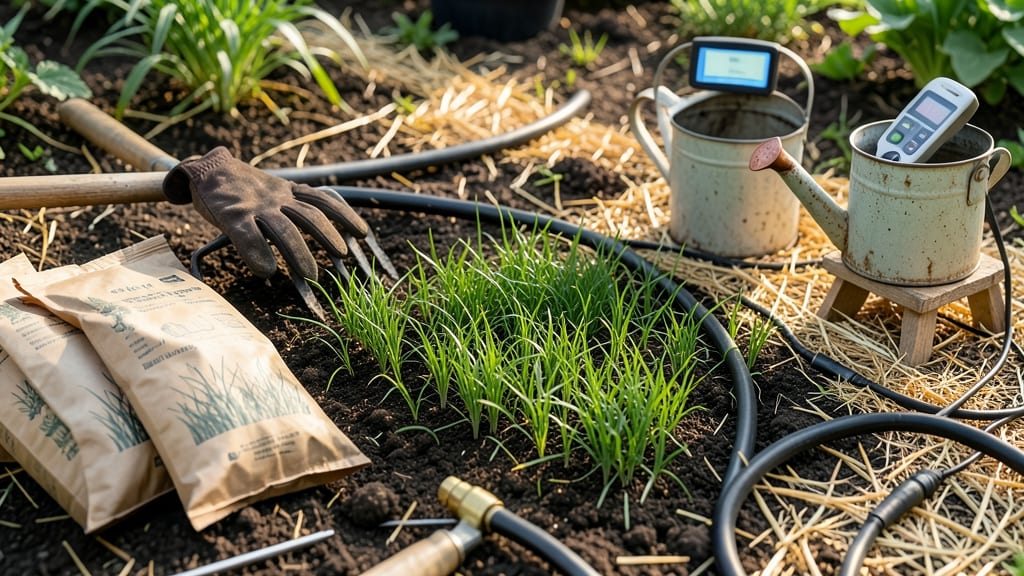
Planting your 🌱 Grass (Turfgrass) at the wrong time in spring can turn your dream of a lush lawn into a frustrating wait—or worse, a total flop.
The key to fast germination isn’t just picking the right seeds; it’s knowing when the soil is warm enough and the frost has finally said goodbye.
In Zone 6a, where most of us live, the ideal window opens 4-6 weeks before your last frost date—typically mid-March to early April. But here’s the catch: rushing too early means seeds will rot in cold soil, while waiting too long risks weeds stealing your lawn’s spotlight.
I’ll show you how to read your soil’s temperature cues and avoid these common pitfalls.
Whether you’re sowing seeds or laying sod, timing matters more than you think. A fast-growing lawn starts with the right prep, and I’ll walk you through the exact steps to get your grass off to a strong start—no guesswork required.
Ready to turn your patchy yard into a vibrant green carpet? Let’s dive into the science behind the perfect planting window so you can enjoy your lawn all season long.
Ideal soil temperature for planting grass in spring (by region)
Planting grass in spring is all about soil temperature, not just air temperature. Cool-season grasses like Kentucky bluegrass and fescue thrive when soil hits 45–55°F (7–13°C), while warm-season varieties such as Bermuda and Zoysia need 65–75°F (18–24°C).
Getting this wrong can delay germination by weeks—or even kill seedlings.
Your USDA hardiness zone and local climate dictate the perfect window. Northern regions (Zones 3–5) should plant 4–6 weeks before last frost, while Southern zones (6–10) can start as early as February for warm-season grasses. Let’s break it down by region to avoid costly mistakes.
🌱 Pro Tip: Use a soil thermometer (insert 2–3 inches deep) to confirm temps before planting. Many garden centers sell them for under $10.
🌡️ Spring Grass Planting Soil Temp Guide
| Region/Zone | Grass Type | Ideal Soil Temp | Planting Window | Key Risk |
|---|---|---|---|---|
| Northern (Zones 3–5) | Cool-season (Fescue, Ryegrass) | 45–55°F (7–13°C) | Mid-March to early April | Frost damage if too early |
| Midwest (Zones 6–7) | Cool-season + Transitional | 50–60°F (10–16°C) | Late March to mid-April | Slow germination if soil too cold |
| Southern (Zones 8–10) | Warm-season (Bermuda, Zoysia) | 65–75°F (18–24°C) | Late February to March | Heat stress if planted too late |
| Transitional (Zones 6–7) | Tall Fescue (Hybrid) | 55–65°F (13–18°C) | April (after frost risk) | Weed competition if delayed |
🌱 Note: Adjust 1–2 weeks earlier in microclimates (e.g., south-facing slopes).
If you’re in a transitional zone (like Zone 6–7), opt for tall fescue blends that tolerate wider temperature swings. These grasses handle 55–65°F (13–18°C) soil temps better than Kentucky bluegrass, reducing your risk of failed germination.
For Northern climates, avoid planting before March 15 unless you’re using winter ryegrass as a cover crop. Cold soil (<40°F/4°C) locks out nutrients, starving seedlings. In Southern zones, warm-season grasses like St. Augustine can be planted as early as February 1, but wait until soil warms to 65°F (18°C) for best results.
💡 Regional Hack: Check your local cooperative extension service for hyper-local soil temp data. Many provide free weekly soil temperature updates via email or apps like PlantNet.
Once soil hits the right temp, act fast! Grass seeds have a 2–4 week germination window. If you wait too long, weeds will outcompete your seedlings. Next, we’ll cover how to pinpoint your exact frost-free date—because even a light frost can ruin fresh grass.
How to calculate your local frost-free date for grass planting
Determining your local frost-free date is the first step to planting grass at the perfect time. Grass seeds need a 4–6 week frost-free window to germinate and establish strong roots before summer heat arrives.
Without this window, your grass may struggle or even fail to thrive. The key is understanding your USDA hardiness zone and historical frost patterns in your area.
Start by finding your USDA zone using the interactive map from the USDA website. Most grass varieties thrive in zones 3–10, but your exact zone affects when you can safely plant.
For example, Zone 5 gardeners should wait until mid-April, while Zone 8 can start as early as February. This variability is why knowing your zone is critical.
Step-by-Step Guide to Calculate Your Frost-Free Date
- Step 1: Locate your USDA zone (e.g., Zone 6a).
- Step 2: Check your average last frost date (use Almanac’s frost calculator).
- Step 3: Subtract 4–6 weeks from this date to find your planting window.
- Step 4: Adjust for microclimates (e.g., slopes warm faster, valleys stay cooler).
- Step 5: Confirm soil temperature is 55–65°F (use a soil thermometer).
🌱 Pro Tip: Bookmark your local Cooperative Extension Service for real-time updates.
Microclimates can shift your frost-free date by 1–2 weeks. For instance, a south-facing slope may warm up faster than a north-facing yard. If you’re unsure, observe nearby plants—when dandelions bloom consistently, it’s often a sign that the frost risk has passed for most areas.
Once you’ve pinpointed your frost-free date, add a 30-day buffer to account for unexpected late frosts. This ensures your grass seedlings have enough time to establish before summer heat arrives.
For example, if your last frost is April 15, aim to plant by March 15 to give your grass a fighting chance.
Don’t forget to check your grass seed packaging for planting recommendations—many brands provide zone-specific guidance. If your seed says "plant in early spring," cross-reference it with your frost-free date to avoid planting too early.
For instance, cool-season grasses like Kentucky bluegrass can handle light frosts, but warm-season grasses like Bermuda grass need to wait until soil warms to 65°F+.
Finally, use a soil thermometer to confirm temperatures before planting. If the soil is still below 55°F, wait another week. Patience now means a lush, resilient lawn later—no one wants to replant because of a rushed schedule! ☀️