
Plants
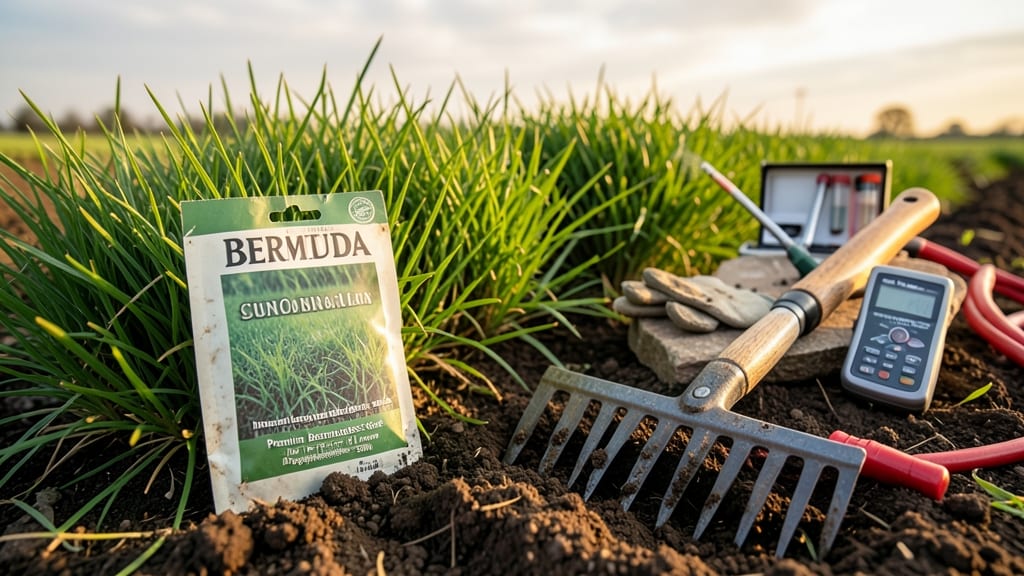
Planting Bermuda grass seed 🌱 at the wrong time in Arkansas can mean the difference between a lush, green lawn and months of frustration—especially when summer heat arrives faster than you expect.
The key isn’t just picking a date on the calendar; it’s waiting for soil temperatures to hit that sweet spot of 65–75°F, which typically lands in late April to early May across most of the state’s 7a-8b zones.
Skip this step, and you’ll battle slow germination or seed washout from Arkansas’ unpredictable spring rains.
I’ve seen too many gardeners rush into planting too early, only to watch their seeds sit dormant or get picked off by weeds. The good news? Once you nail the timing, Bermuda grass spreads fast and handles Arkansas’ heat like a champ.
But first, you’ll need to know exactly when to pull the trigger—because waiting just a few extra weeks can mean the difference between a fast, thick lawn and a patchy disappointment.
Let’s break down the exact windows for northern vs. southern Arkansas, how to test your soil temperature at home, and the critical steps to take before you even open that seed bag. Trust me, these details will save you time, money, and a lot of guesswork this growing season.
Ready to set your lawn up for success? We’ll cover everything from soil prep to post-planting care, so you can enjoy that drought-resistant, low-maintenance grass without the headaches. Let’s get started.
Best planting windows for Arkansas: soil temperature zones & frost risks
Timing your Bermuda grass seed planting in Arkansas isn’t just about picking a month—it’s about soil temperatures and frost risks. The state’s USDA zones 7a-8b create microclimates where northern Arkansas (like Fayetteville) freezes later than southern regions (like Little Rock).
Plant too early, and frost will kill your seeds; too late, and summer heat stresses young sprouts.
Bermuda grass thrives when soil hits 65–75°F—a range that typically aligns with late April to mid-June in most of Arkansas. In Zone 7a (north), aim for May 1–15; in Zone 8b (south), you can start as early as late April.
Use a soil thermometer ($10 at garden centers) to verify—planting before 65°F delays germination by weeks.
Here’s the critical rule: Wait until after the last frost (usually March 15 in Zone 7a, March 1 in Zone 8b), but don’t wait until July. Seeds planted in June or early July still germinate well, but summer heat increases watering demands and weed competition.
Pro Tip: Arkansas’ clay-heavy soils warm slower than sandy areas. If your yard sits in a low spot or has poor drainage, delay planting by 1–2 weeks to avoid soggy, anaerobic conditions that suffocate seeds.
| Arkansas Region | USDA Zone | Last Frost Date | Ideal Planting Window | Soil Temp Trigger |
|---|---|---|---|---|
| Northern AR (Fayetteville, Rogers) | 7a | March 15 | May 1–15 | 65–75°F |
| Central AR (Little Rock, Conway) | 7b | March 1 | April 20–May 10 | 65–75°F |
| Southern AR (El Dorado, Texarkana) | 8a-8b | February 15 | Late April–June 1 | 65–75°F |
🌡️ Test soil temp at 4-inch depth for accuracy. Morning readings are most reliable.
Arkansas’ unpredictable spring rains add another layer of complexity. If your area gets heavy downpours in May, delay planting until after June 1 to avoid seed washout. In drier years (like 2023), you could plant as early as April 15 in Zone 8b if soil temps are stable.
Watch for frost warnings from the National Weather Service—even in June! Northern Arkansas saw late frosts in 2020 that killed newly planted Bermuda grass. Sign up for local ag alerts (e.g., UA Cooperative Extension) for real-time updates.
Once you’ve nailed the timing, seed depth matters just as much. Plant Bermuda grass seed ¼-inch deep—any deeper, and it won’t sprout. Use a rake or seed spreader for even coverage, then lightly tamp soil to ensure seed-to-soil contact.
Mulch with straw (not grass clippings) to retain moisture without smothering sprouts.
After germination (typically 7–14 days at 75°F soil), reduce watering to prevent fungal diseases like brown patch. Arkansas’ humid summers create the perfect storm for grass diseases—keep mower blades sharp to avoid tearing leaves and exposing the lawn to pathogens.
For a head start, consider sodding instead of seeding. Sod establishes faster (in 2–3 weeks) and outcompetes weeds, but it’s pricier upfront. If you seed, double-check your variety—some Bermuda grass types (like Tifway 419) are better suited to Arkansas’ heat than others.
Best planting windows for Arkansas: soil temperature zones & frost risks
Timing your Bermuda grass seed planting in Arkansas isn’t just about checking the calendar—it’s about understanding your USDA zones (7a-8b) and soil temperature triggers. The sweet spot for germination is when soil reaches 65–75°F (18–24°C), which typically aligns with late April to mid-June across most of the state.
Northern Arkansas (Zone 7a) may need to wait until early May, while southern regions (Zone 8b) can start as early as late April.
Bermuda grass is a warm-season grass, meaning it thrives in heat but won’t germinate below 60°F (15°C). Planting too early risks frost damage—Arkansas’ last frost dates range from March 1 (Zone 8b) to March 15 (Zone 7a).
Waiting until after these dates ensures your seeds won’t be nipped by unexpected cold snaps, which can stunt growth or kill seedlings entirely.
Here’s how to test your soil temperature at home: Use a soil thermometer (or a meat thermometer) to check 2–3 inches deep in the morning. If it’s consistently below 65°F, hold off on planting.
Pro tip: Southern Arkansas often hits ideal temps 2–3 weeks earlier than the north, so adjust accordingly.
🌱 Arkansas Bermuda Grass Planting Timeline
| Zone | Ideal Planting Window | Soil Temp Threshold | Frost Risk |
|---|---|---|---|
| 7a (North AR) | Early May – Mid-June | 65–75°F (18–24°C) | High until May 15 |
| 8a (Central AR) | Late April – Early June | 65–75°F (18–24°C) | Moderate until May 1 |
| 8b (South AR) | Late April – Mid-May | 65–75°F (18–24°C) | Low after April 15 |
💡 Pro Tip: Southern Arkansas can plant 2–3 weeks earlier than the north due to warmer microclimates.
Once your soil hits the 65°F threshold, act fast—Bermuda grass seeds germinate quickly in ideal conditions, often within 7–14 days. However, don’t rush if rain is forecasted; heavy downpours can wash out seeds before they take root.
Aim for a dry, sunny day with light winds to maximize seed-to-soil contact.
If you miss the spring window, don’t despair—Bermuda grass can also be planted in late summer (August), though germination may be slower due to high summer heat. Just ensure soil temps stay above 65°F and monitor for weed competition, which spikes in late summer.
For most Arkansas gardeners, though, late April to mid-June is the gold standard for a lush, thick lawn.
For extra insurance, consider using a starter fertilizer with high phosphorus (P) (e.g., 10-20-10) to boost root development. This is especially critical in Arkansas’ clay-heavy soils, which can compact easily and hinder germination. Pair this with a light mulch layer (like straw) to retain moisture and regulate soil temps.