
Plants
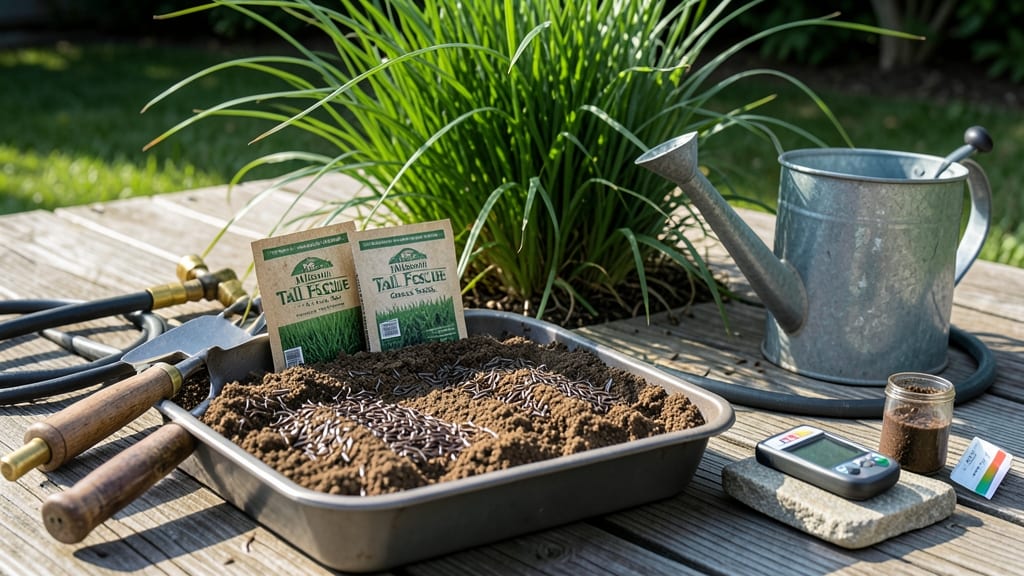
Planting grass seed at the wrong time in Missouri can turn your dream of a lush lawn into a patchy disappointment—but getting the timing right guarantees fast germination and a yard that stays green through droughts and heatwaves.
If you’ve ever watched your grass struggle to take root, you’re not alone. Missouri’s 5b-7a climate zones mean soil temperatures and frost dates vary wildly from north to south, making the difference between success and failure just a few weeks apart.
I’ll break down the exact months to plant 🌱 turfgrass in Missouri—whether you’re in St. Louis, Kansas City, or the Ozarks—plus how to prep your soil for optimal growth. No more guessing: just science-backed steps to a perfect lawn.
Ready to skip the trial-and-error? Let’s dive into the best planting windows, seed varieties, and watering tips tailored to your region—so your grass grows thick, fast, and stays that way all season long.
Best grass seed planting months in Missouri by region (with exact dates)
Missouri’s climate varies dramatically from north to south, so planting grass seed at the wrong time can mean wasted money and effort. The Show-Me State spans USDA Zones 5b-7a, meaning frost dates shift by weeks between regions.
To succeed, you need to plant when soil temperatures hit 55–75°F—not when the calendar says "spring" or "fall."
Most Missouri gardeners achieve the best results by planting in early spring (March–April) or early fall (September–October). These windows align with soil warming, consistent rainfall, and reduced competition from weeds.
But if you live in northern Missouri, you’ll need to adjust your timing by 2–4 weeks compared to southern areas.
Here’s how to pinpoint the perfect planting window for your region, including exact dates and what to watch for:
Missouri Grass Seed Planting Guide by Region
| Region | Best Planting Window | Soil Temp Goal | Key Considerations |
|---|---|---|---|
| Northern Missouri (St. Louis northward) | Late April–early May or mid-September | 55–65°F | Later frost risk; avoid planting before last frost (avg. April 15). |
| Central Missouri (Columbia/Jefferson City) | Early April or late September | 60–70°F | Moderate rainfall; ideal for cool-season grasses like Kentucky Bluegrass. |
| Southern Missouri (Springfield/Sedalia) | March–early April or August–early September | 65–75°F | Warmer soil; watch for summer drought stress if planting late. |
*Adjust for microclimates (e.g., hilltops freeze earlier, valleys stay warmer). Use a soil thermometer to confirm readiness.
If you’re in northern Missouri, resist the urge to plant early—cool soils and late frosts can stall germination. Instead, wait until soil temperatures consistently stay above 55°F for 5–7 days.
For southern Missouri, early spring planting (March) works because soils warm faster, but avoid late spring (May) when heat and drought stress young seedlings.
Fall planting in Missouri is often overlooked but ideal because cooler air temperatures reduce weed competition, and rainfall increases in September–October. Aim to plant 4–6 weeks before the first frost (typically mid-October in the north and late October in the south).
This gives seeds time to germinate and establish roots before winter dormancy.
Missouri’s variable rainfall patterns also play a role. Spring planting often relies on consistent moisture, so consider using a sprinkler system or mulch to retain soil moisture. In contrast, fall planting benefits from natural rainfall increases, reducing your watering workload.
Pro tip: Check your local Extension office or use the Missouri Climate Center’s frost date maps for hyper-local adjustments. For example, Kansas City’s frost dates differ from St. Louis’s by nearly 2 weeks, even though they’re only 200 miles apart.
Finally, avoid planting in summer (June–August) unless you’re using heat-tolerant varieties like Buffalo Grass. High temperatures (>85°F) and drought stress seeds before they can establish. If you must plant in summer, use shade cloth and daily watering to improve survival rates.
Timing your grass seed planting correctly in Missouri isn’t just about the calendar—it’s about soil temperature, frost risk, and regional microclimates. By following these guidelines, you’ll maximize germination rates and give your lawn the best shot at thriving through Missouri’s humid summers and cold winters. 🌱
How to tell when soil is perfectly warm for grass seed germination (Missouri-specific)
Missouri’s soil can be a mystery—one day cool and damp, the next scorching hot. Planting grass seed when the soil is too cold delays germination, while waiting too long risks summer heat stress.
The key is knowing when your soil hits that sweet spot of 55–75°F, where seeds sprout reliably without stress. This range ensures roots establish quickly, giving your lawn the best chance to thrive before summer’s intensity or winter’s chill.
Don’t guess—test your soil’s temperature with a simple soil thermometer (available for under $10). Stick it 2–3 inches deep (where seeds will germinate) and check readings in the morning.
If it’s below 50°F, wait—cold soil slows growth and invites disease. If it’s above 80°F, seeds may dry out before sprouting, leading to patchy lawns.
Cold soil (<50°F): Seeds rot or fail to germinate—wasted money and effort. Hot soil (>80°F): Seeds dry out in hours, leaving bare spots. Missouri’s spring and fall transitions are tricky; test soil weekly in March/April and September/October to catch the perfect window.
Missouri’s Northern regions (like St. Louis) often hit ideal soil temps in late April, while Southern zones (like Springfield) may be ready by mid-March. Microclimates matter too—soil near a south-facing wall warms faster than shaded areas.
Use a moisture probe (or even your finger) to check depth: damp but not soggy is ideal for seedbed prep.
Pro tip: Mulch lightly with straw after seeding to retain moisture and regulate soil temperature. Avoid thick layers—just enough to shield seeds from drying winds. Water gently in the morning to keep soil consistently moist (but not waterlogged) until germination.
Overwatering in hot soil can suffocate seeds, while underwatering stresses them.
Watch for sprouts in 7–21 days—faster in warm, moist soil. If germination stalls after 3 weeks, seeds may have failed due to temperature or moisture issues. Adjust your planting schedule next year based on these lessons.
Missouri’s climate rewards patience; a well-timed seeding in early fall often yields the lushest lawns with minimal maintenance.
For extra confidence, plant a test strip of seed in a small, sunny area a week before your planned date. If sprouts appear within 10 days, you’re ready to roll out the full seed mix. This simple test saves time, money, and frustration—especially in Missouri’s unpredictable growing seasons.