
Plants
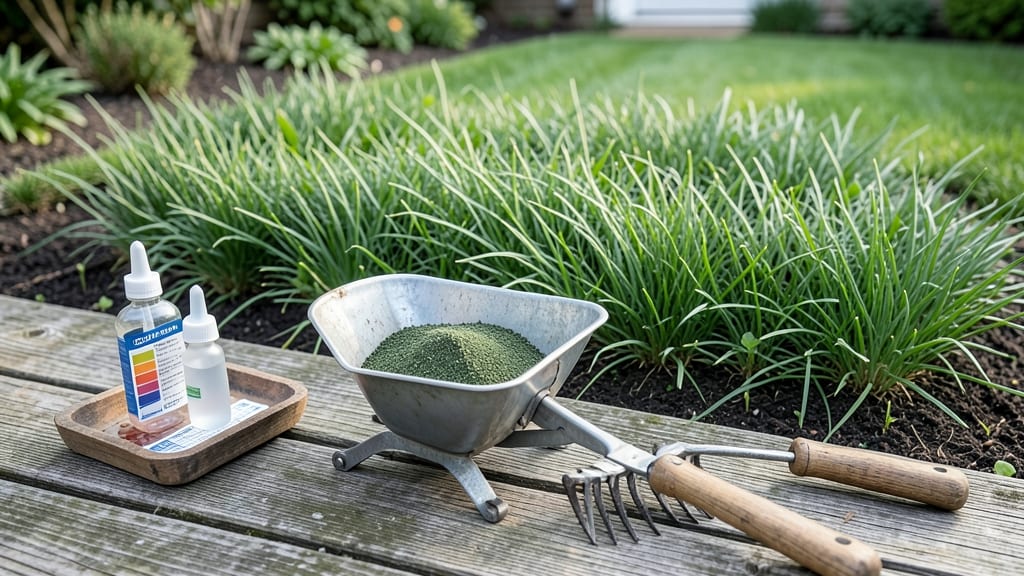
Planting grass seed in Minnesota at the wrong time can leave you staring at bare patches long after your neighbors have lush lawns. The key to success lies in understanding when the soil is warm enough—typically between early spring and early fall—while avoiding frost that can kill young seedlings.
With Minnesota’s USDA zones 3-5 and unpredictable frost dates, timing matters more than most gardeners realize. Whether you're in the Twin Cities or northern regions, planting too early risks frost damage, while waiting too long can mean missed growing seasons.
The solution? A strategic window that balances warmth, moisture, and frost-free conditions.
In this guide, I’ll break down the exact months to plant grass seed in Minnesota, from early spring (March-April) to early fall (August-September), plus how to adjust for your specific zone. You’ll also learn soil prep tips to give your grass the best start possible.
Ready to transform your yard? Let’s dive into the frost-free window that works for your Minnesota climate—and keep your lawn thriving year after year.
Minnesota’s frost-free window: best months to plant grass seed by zone
Planting grass seed in Minnesota requires careful timing to avoid frost damage and ensure strong germination. The state spans USDA hardiness zones 3a to 5a, meaning frost dates vary dramatically—from late April in northern areas to early October in southern regions.
Understanding your specific zone is key to selecting the right planting window.
Most Minnesota gardeners focus on two ideal windows: early spring (March-April) and early fall (August-September). Spring planting lets seeds germinate as soil warms, while fall planting gives grass roots time to establish before winter.
However, these windows shift slightly depending on whether you’re in northern Minnesota (zones 3a-4a) or the southern half (zones 4b-5a).
For northern Minnesota (zones 3a-4a), aim for late April to early May in spring or mid-August to early September in fall. Soils in these areas stay cold longer, so rushing planting can lead to weak growth or frost kill.
In southern Minnesota (zones 4b-5a), you can plant as early as mid-March or stretch fall planting into late September.
Here’s a quick reference for your USDA zone and the best planting months to maximize success:
| USDA Zone | Spring Planting Window | Fall Planting Window | Key Consideration |
|---|---|---|---|
| 3a (Northern MN) | Late April - Early May | Mid-August - Early September | Soil warms slowly; avoid early planting |
| 4a (Central/North MN) | Mid-April - Late April | Late August - Mid-September | Monitor soil temps; aim for 50°F+ |
| 4b (Southern MN) | Mid-March - Early April | Late August - Late September | Longer growing season; can plant earlier |
| 5a (Southeast MN) | Early March - Mid-April | Late August - Early October | Warmest zone; extend fall window |
To determine your exact planting window, check your last frost date (typically April 15 in most of Minnesota) and plan to plant 4-6 weeks before the first frost in fall. For spring, wait until the soil reaches at least 50°F—a soil thermometer is your best tool for accuracy.
If you’re in zone 3a or 4a, consider using a cold-hardy grass mix like tall fescue or fine fescue, which tolerate cooler soils better than Kentucky bluegrass. These varieties can handle earlier spring planting without risking frost damage.
For urban gardeners, microclimates matter. South-facing lawns warm up faster and may support earlier spring planting by 1-2 weeks compared to north-facing areas. Always test soil temperature at 4-inch depth—this is the critical layer for seed germination.
Remember, fall planting is often the best strategy for Minnesota. Seeds germinate in warm soil, grow roots in cool weather, and establish before winter dormancy. This method results in thicker, more resilient lawns the following spring.
Once you’ve nailed your planting window, prepare your soil by removing debris, loosening the top 2-3 inches, and leveling the area. A light raking and compost amendment will give your grass seed the best start possible.
🌱
How to adjust planting timing for Minnesota’s unpredictable weather
Minnesota’s weather can be as unpredictable as a spring snowstorm in April, so flexibility is key when planting grass seed. Soil temperature and frost dates should guide your schedule more than calendar months alone.
For example, northern zones like Zone 3a may still see frost in May, while southern areas like Zone 5a might be safe by late April.
Use a soil thermometer to check when the ground reaches 50-55°F—this is your green light for spring planting.
Seed won’t germinate well in colder soil, no matter how eager you are to see grass sprout. Fall planting is equally critical; aim for 6-8 weeks before the first frost to give roots time to establish before winter sets in.
🌱
Avoid These Common Mistakes
- Planting too early when soil is still frozen or soggy.
- Ignoring microclimates—urban areas warm faster than rural fields.
- Skipping frost date tracking—use the USDA Plant Hardiness Zone Map.
Microclimates play a huge role in Minnesota. Urban areas with pavement and buildings can be 5-10°F warmer than rural fields, creating earlier planting opportunities. If you’re unsure, ask neighbors with established lawns when they planted—their grass is proof of what works locally.
Extend your planting window by using row covers or frost cloth in early spring or late fall. These lightweight fabrics protect young seedlings from unexpected late frosts without overheating the soil. Just remove them during the day to allow sunlight for germination.
For late summer plantings, focus on August’s second half when soil is still warm but temperatures are cooling. This gives grass time to root before winter, often resulting in thicker, greener lawns the following spring.
Track local frost dates using tools like the Old Farmer’s Almanac or your local cooperative extension office. These resources provide hyper-local data that’s far more accurate than generic planting charts. Adjust your timing based on their predictions—your lawn will thank you!
☀️