
Companion Plants
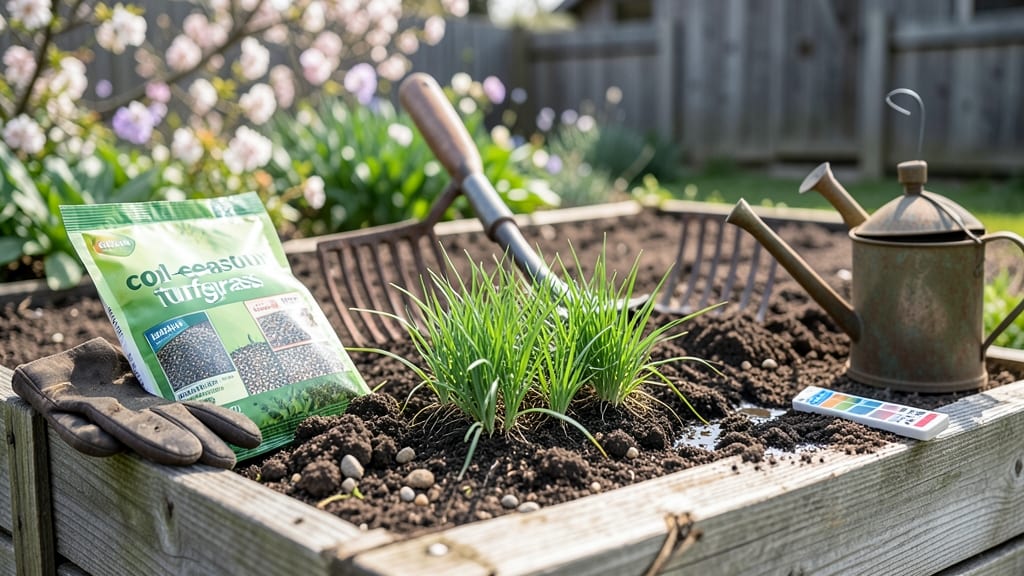
Planting your Grass (Lawn) 🌱 at the wrong time in spring can turn your dream of a lush green yard into a frustrating wait—or worse, a failed project entirely.
The key to success isn’t just throwing seeds into the ground; it’s knowing when the soil is warm enough, when the last frost has passed, and how your local climate plays into the timing.
If you’re in Zone 6a, like many gardeners in the northern U.S., the ideal window opens around 4-6 weeks before your last frost date—typically late March to early April.
But rushing too early can leave seeds rotting in cold soil, while waiting too long might mean missed growth opportunities. Let’s break down the exact signals to watch for and how to adjust for your region.
You’ll discover how to test soil temperature, recognize the perfect frost-free window, and avoid common mistakes that sabotage new lawns. Whether you’re seeding or laying sod, these insights will help you time your planting like a pro—so you can enjoy that vibrant green carpet by summer.
From cool-season grasses that thrive in early spring to warm-season varieties that wait for heat, we’ll cover everything you need to know. Ready to transform your yard? Let’s get started.
Optimal soil temperature and frost-free guidelines for spring grass planting
Planting grass in spring requires precision—especially when it comes to soil temperature and frost-free windows. Grass seeds need warmth to germinate, but cold snaps can kill tender seedlings.
The ideal soil temperature for most grass types sits between 50°F and 65°F, with cool-season grasses (like Kentucky Bluegrass) tolerating slightly cooler soil (40-55°F).
Before planting, check your USDA hardiness zone—this determines your last frost date. For example, in Zone 5, the last frost typically falls around April 15th, while Zone 8 sees frost-free conditions by March 1st.
Planting too early risks seed rot or frost damage, while waiting too long may lead to weed competition.
To test soil temperature, use a soil thermometer buried 2-3 inches deep. If the reading is below 50°F, delay planting. In northern climates, aim for 4-6 weeks before the last frost—usually late March to early April.
Southern regions can start as early as February, but monitor nighttime temperatures closely.
Here’s how to adjust for your region: Northern states (Zones 3-5) should wait until soil warms consistently above 50°F, while Southern states (Zones 7-10) can plant earlier but may need shade cloth for heat-sensitive varieties like Tall Fescue. Always prioritize stable warmth over calendar dates.
For cool-season grasses, like Tall Fescue or Perennial Ryegrass, focus on planting when daytime highs reach 60°F+ and nights stay above 40°F.
These grasses thrive in cooler weather and can even handle light frosts once established. Warm-season grasses, such as Bermuda or Zoysia, need soil temps above 65°F—wait until late spring (May-June) in most regions.
Pro tip: Use a frost-free date calculator (like the Old Farmer’s Almanac) to pinpoint your exact window. If your area has unpredictable springs, opt for sod instead of seed—it establishes faster and handles temperature swings better.
Always rake seeds into soil ¼ inch deep and water lightly to keep moisture consistent.
One common mistake is relying on air temperature instead of soil temperature. A sunny 60°F day might feel warm, but if the soil is still 45°F, seeds won’t germinate.
Use a soil thermometer for accuracy, and plant on a cloudy day to reduce stress on seedlings. Mulch lightly with straw to retain warmth and moisture.
If you’re in a transition zone (like Zone 6 or 7), consider overseeding in early fall for cool-season grasses—this gives seedlings time to root before winter. For warm-season grasses, late spring is your best bet, but avoid planting when summer heat waves are forecasted.
Always water deeply after planting to encourage root growth.
Remember: Patience is key. Rushing leads to thin, patchy lawns, while waiting too long invites weeds. Monitor your lawn’s progress—healthy grass should show green blades in 7-14 days (cool-season) or 3-4 weeks (warm-season). Adjust watering as needed, and avoid heavy foot traffic until roots are established.
For extra protection, use a lightweight frost blanket if late frosts are predicted. This simple step can save your seedlings from freeze damage and give your lawn the strong start it deserves.
With the right timing, your spring grass planting will reward you with a thick, green carpet all season long. 🌱
Step-by-step timeline for planting cool-season vs. warm-season grasses
Choosing the right timing for your grass type is half the battle—cool-season grasses like Kentucky Bluegrass and Fescue thrive in spring, while warm-season varieties like Bermuda and Zoysia need summer heat. Let’s break down the month-by-month planting schedule tailored to your grass type and USDA hardiness zone.
For cool-season grasses, aim to plant 4-6 weeks before your last frost date. In Zone 6a, that’s typically late March to early April.
If you’re in a warmer southern zone (8a-10a), you can start as early as February, but avoid planting if frost is still a risk.
Warm-season grasses like Bermuda and Zoysia, however, need soil temperatures above 65°F to germinate. In Zone 6a, this usually means waiting until late May to early June. If you plant too early, the seeds may rot in cold soil.
Cool-Season Grasses (Kentucky Bluegrass, Fescue, Ryegrass)
- Zone 3-5: Plant late April to early May (4-6 weeks before last frost)
- Zone 6-7: Plant mid-March to early April (soil temps: 50-65°F)
- Zone 8-10: Plant February to early March (avoid frost)
- Overseeding tip: Late summer (August-September) for fall growth
Warm-Season Grasses (Bermuda, Zoysia, St. Augustine)
- Zone 6-7: Plant late May to early June (soil temps: 65-75°F)
- Zone 8-10: Plant April to early May (earlier warmth)
- Sod vs. seed: Sod can be laid 2 weeks earlier than seeds
- Establishment: 4-6 weeks for full rooting
If your spring is unusually early or late, use a soil thermometer to check temperatures. Cool-season grasses need soil temps between 50-65°F, while warm-season grasses require 65-75°F.
Planting too early in cold soil can cause seed rot, while waiting too long may delay your lawn’s full growth potential.
Pro tip: If you’re in a transition zone (Zone 7-8), consider planting cool-season grasses in fall and warm-season grasses in spring for year-round coverage. This two-step approach ensures your lawn stays green and lush year-round.
Remember, preparation is key. Test your soil’s pH (6.0-7.0 ideal), loosen compacted areas, and remove weeds before planting. A well-prepared seedbed gives your new grass the best chance to establish strong roots and outcompete weeds.