
Plants
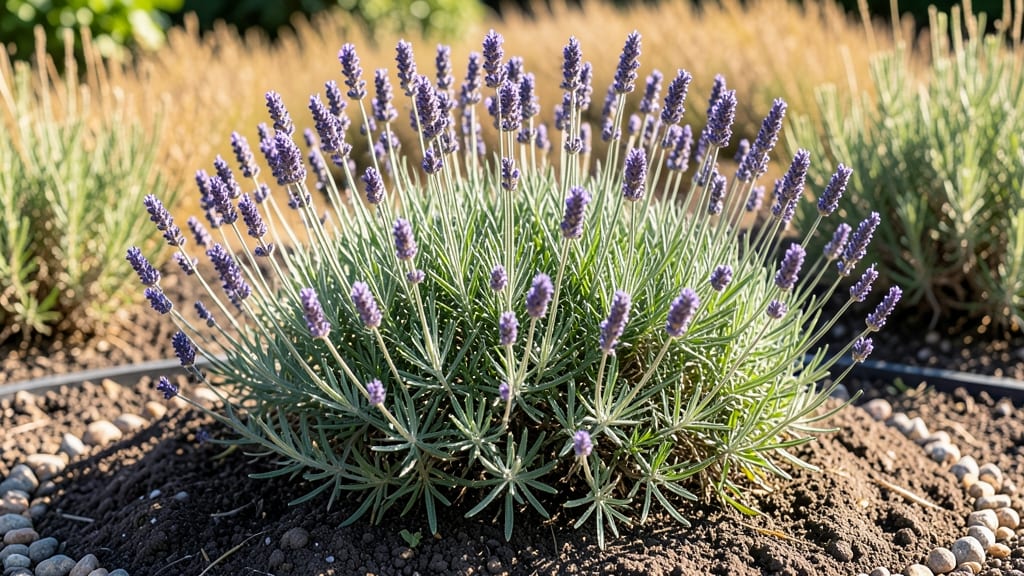
If you're planning your garden layout and wondering how tall does a lavender plant grow, the answer depends on the variety you choose—and how you care for it. Some varieties stay compact enough for window boxes, while others can reach heights that make them perfect for defining garden borders.
Most lavender plants typically mature between 1 and 4 feet, but the difference between a dwarf variety and a standard bush can be dramatic.
For example, 'Hidcote' lavender stays around 1 to 2 feet, making it ideal for containers, while 'Provence' varieties can stretch up to 3 to 4 feet when fully grown.
Understanding these height variations is key to placing your lavender correctly—whether you want it as a fragrant border or a low-maintenance ground cover. With the right spacing and care, you can control its growth naturally and keep it thriving for years.
In this guide, I’ll break down the height ranges by variety, share pruning tips to maintain your desired size, and even suggest the best types for small spaces. Let’s get started!


Lavender plant height by variety: dwarf to giant sizes explained
Lavender’s mature height can range dramatically—from compact 1-foot dwarfs perfect for window boxes to towering 4-foot bushes that dominate garden borders. The variety you choose determines not just height, but also growth habit (upright vs. bushy) and ideal spacing for full bloom.
Understanding these differences helps you plan lavender placement for both aesthetics and practicality.
Most lavender varieties fall into three height categories: dwarf (1–2 feet), semi-dwarf (2–3 feet), and standard (3–4 feet). Your choice depends on your garden’s layout—whether you need a low border, a mid-height accent, or a bold statement plant.
Let’s explore the most popular types and their growth patterns.
🌿 Visual Comparison: Imagine a dwarf lavender like 'Hidcote' sitting neatly in a 12-inch pot, while a standard variety like 'Provins' stretches taller than a standard kitchen countertop (36 inches). The difference in scale is striking—and intentional for garden design.
| Variety | Type | Mature Height | Growth Habit | Ideal Spacing |
|---|---|---|---|---|
| 'Hidcote' | English | 1–2 ft | Bushy, compact | 12–18 in apart |
| 'Munstead' | English | 2–3 ft | Upright, slightly woody | 18–24 in apart |
| 'Grosso' | Spanish | 3–4 ft | Tall, sturdy stems | 24–36 in apart |
| 'Provence' | French | 2–3 ft | Bushy, fragrant | 18–24 in apart |
| 'Provins' | French | 3–4 ft | Tall, upright | 24–36 in apart |
English lavender varieties like 'Hidcote' and 'Munstead' are the most popular for home gardens due to their compact sizes and strong fragrance. These dwarf and semi-dwarf types thrive in containers, making them ideal for patios or balconies.
Their bushy growth habit also makes them perfect for edging garden beds or lining walkways.
Spanish lavender, such as 'Grosso', is the tallest variety, often reaching 4 feet with sturdy stems that hold up well in full sun. This makes it a favorite for hedges or back-of-border plantings, where height and structure are prized.
However, its stronger, slightly woody stems mean it requires less frequent pruning than English types.
French lavender, including 'Provence' and 'Provins', bridges the gap between dwarf and tall varieties. These plants typically grow 2–3 feet tall but can stretch taller with proper care. Their upright growth and prolonged blooming season make them versatile for both containers and garden beds, especially in warmer climates.
When planning your lavender layout, spacing is critical to ensure airflow and prevent disease. For example, 'Grosso' needs 24–36 inches between plants to avoid overcrowding, while 'Hidcote' can be planted just 12–18 inches apart in containers.
Overcrowding leads to weak stems, poor blooms, and increased pest risks—so always follow the spacing guidelines for your chosen variety.
Pro tip: If you’re unsure which variety to pick, start with 'Munstead' or 'Provence'—they’re hardy, fragrant, and adaptable to most garden conditions. For a bold statement, 'Provins' or 'Grosso' will add height and drama to your landscape, while 'H
How to control lavender height naturally: pruning and care tips
If your lavender is growing taller than you’d like—or leggy and unruly—don’t panic! With the right pruning techniques and care habits, you can easily shape your plant to your desired height.
The key is understanding when and how to trim, plus a few simple adjustments to sunlight, soil, and water.
Lavender naturally grows 1–4 feet tall, but most gardeners prefer keeping it between 1.5–3 feet for a neat, manageable look. Overgrown lavender can become woody at the base and produce fewer flowers, so regular maintenance keeps it healthy and compact.
Start by pruning in early spring or right after flowering to encourage bushier growth.
Here’s the golden rule: Never cut into old wood—always trim just above a leaf node where new growth can sprout. Use sharp, clean pruning shears to avoid damaging stems, and remove no more than one-third of the plant at a time. This prevents shock and promotes vigorous regrowth.
- Trimming too late in the season (after fall) can leave lavender vulnerable to frost damage.
- Over-pruning removes too many leaves, reducing the plant’s ability to photosynthesize.
- Using dull shears crushes stems, inviting disease and pests.
🌿 Pro Tip: Wear gloves—lavender oil can irritate skin!
Sunlight and soil play a huge role in lavender’s height. If your plant is stretching toward light, it’s likely not getting enough sun (lavender thrives in full sun, 6+ hours daily).
Move potted lavender to a sunnier spot or thin nearby plants shading it. For in-ground lavender, ensure the area isn’t overshadowed by trees or taller perennials.
On the soil front, lavender hates soggy roots. Overwatering or poorly draining soil causes leggy growth as the plant struggles to stabilize. Amend heavy soil with sand or gravel to improve drainage, and water deeply but infrequently—only when the top 1–2 inches of soil feel dry.
Mulch lightly with gravel or pebbles (not organic mulch) to retain moisture without suffocating roots.
For container-grown lavender, choose pots with drainage holes and use a well-draining potting mix blended with perlite or pumice. Smaller pots naturally limit root growth, keeping plants 1–2 feet tall—ideal for window boxes or patio planters. Repot every 2–3 years to refresh the soil and prevent root-bound stress.