
Plants
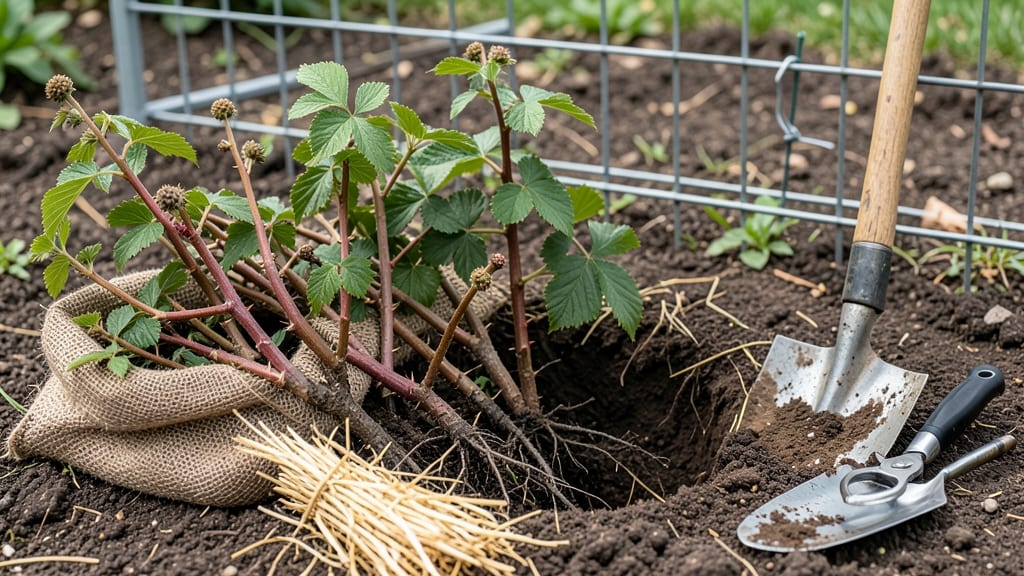
Planting blackberries in Louisiana at the wrong time can mean the difference between a thriving 🫐 harvest and struggling canes that never quite take off.
With our warm winters and long growing season, timing matters more than you might think—especially when choosing between bare-root plants in early spring or potted varieties later in the year.
Most Louisiana gardeners know spring is the prime window, but did you know the best months actually depend on your variety? Thornless types often handle early planting better, while traditional blackberries may need a slightly later start to avoid heat stress.
I’ll break down the exact windows for your USDA 8a-9b zone and how to adjust for coastal humidity or inland heat.
You’ll also discover why soil prep in late winter sets your blackberries up for success—and how to avoid the 3 biggest mistakes that derail first-year growth. Whether you’re a first-time planter or a seasoned grower, these climate-specific tips will help you time your planting for maximum berry production.
Ready to unlock a garden full of sweet, juicy blackberries? Let’s get into the perfect schedule for your Louisiana patch, so you can enjoy that first harvest like a pro.
Louisiana blackberry planting zones & best months by variety type
Louisiana’s USDA zones 8a-9b create a unique growing environment for blackberries, where humidity and heat demand careful timing. Unlike northern climates, early spring planting (February-March) is ideal, but coastal areas like New Orleans can extend planting into April due to milder winters.
Inland regions like Shreveport may need to plant slightly earlier to avoid late-season heat stress.
Blackberries in Louisiana thrive in two distinct planting windows: bare-root canes (January-March) and potted plants (April-June). Thornless varieties like 'Natchez' or 'Arapaho' are popular for home gardens, while traditional types like 'Ouachita' handle Louisiana’s high humidity better.
Each variety has its own optimal planting month, influenced by frost dates and soil warmth.
Here’s how Louisiana’s microclimates affect planting:
| Region | Best Planting Month | Variety Recommendation | Key Consideration |
|---|---|---|---|
| Coastal (New Orleans, Baton Rouge) | March–April | 'Natchez', 'Chester' | Warmer soil warms up faster; avoid early frost |
| Northwest (Shreveport, Monroe) | February–March | 'Arapaho', 'Ouachita' | Cooler winters; plant before soil thaws |
| Central (Lafayette, Lake Charles) | February–March | 'Prime-Ark Freedom', 'Black Satin' | Balanced climate; adaptable to both |
| All Regions (Potted Plants) | April–June | Any (adjust watering) | Extended window for container gardening |
Early-season varieties like 'Prime-Ark Freedom' produce fruit on primocanes (first-year canes) in May-July, while late-season types like 'Ouachita' fruit on floricanes (second-year canes) in August-October. Louisiana’s long growing season allows for two harvests per year if you mix varieties!
For bare-root planting, aim for January-February when soil is workable but not frozen. Soak roots for 4-6 hours before planting to prevent transplant shock. In potted plants, April-June works best—just ensure roots aren’t root-bound before transplanting.
Louisiana’s acidic soils (pH 5.0-6.0) are perfect for blackberries, but amend with compost to improve drainage. Raised beds are ideal in heavy clay soils (common in Baton Rouge), while coastal areas may need elevated beds to avoid waterlogging.
Pro tip: Mulch heavily with pine straw to retain moisture and suppress weeds—a must in Louisiana’s humid climate. This also helps regulate soil temperature, crucial for root establishment.
If you’re in Zone 9b (southern Louisiana), you can even try fall planting (October-November) for early spring harvests, but this requires extra winter protection like row covers or mulch blankets.
Timing isn’t just about the calendar—it’s about reading your microclimate. Watch for soil temperature (ideal: 60°F+) and local frost forecasts to fine-tune your planting schedule. With the right variety and timing, your Louisiana blackberries will thrive year after year!
Step-by-step blackberry planting schedule for Louisiana’s climate
Timing your blackberry planting in Louisiana isn’t just about the calendar—it’s about soil temperature, moisture levels, and frost risks. My step-by-step schedule aligns with Louisiana’s USDA zones 8a-9b, where early spring (February-March) is ideal for bare-root plants and late winter (January) works for potted varieties.
Let’s break it down month by month to ensure your blackberries thrive.
First, mark your calendar for late January to early February—this is when Louisiana’s soil temperatures consistently reach 50°F (10°C), perfect for root establishment. If you’re planting thornless varieties, like ‘Natchez’ or ‘Arapaho’, prioritize this window to avoid late-season fungal risks from Louisiana’s humidity.
For traditional varieties, such as ‘Cheyenne’ or ‘Ouachita’, you can extend planting until mid-March.
📌 Step 1: Soil Prep (December–January) Test your soil’s pH (5.5–6.5) and amend with compost or peat moss if needed. Louisiana’s clay-heavy soils benefit from raised beds or mound planting to improve drainage. Work in organic matter like aged manure or leaf mold to enrich the soil before planting.
🌱 Louisiana Blackberry Planting Checklist
- 📅 December–January: Test soil pH (aim for 5.5–6.5) and amend with compost or peat moss.
- 🪴 Late January: Choose bare-root or potted blackberries; thornless varieties prefer earlier planting.
- 💧 February: Soak roots in water + rooting hormone for 1–2 hours before planting.
- 📏 Planting Depth: Bury crown 1–2 inches below soil; space canes 4–6 feet apart in rows 8–10 feet apart.
- 🌿 Mulch: Apply 3–4 inches of mulch (straw or pine needles) to retain moisture and suppress weeds.
- 💧 Watering: Deep water 1–1.5 inches immediately after planting; keep soil consistently moist for 4–6 weeks.
- ☀️ Sunlight: Ensure 6–8+ hours of full sun daily; prune nearby trees if needed.
- ✂️ Pruning: Cut back old canes to ground level in late winter to encourage new growth.
- 🌡️ Winter Protection: In Zone 8a, mound soil around base for freeze protection (Dec–Feb).
After planting, focus on watering consistency. Louisiana’s summer heat and humidity demand deep watering 2–3 times per week during fruiting season (May–July). Use drip irrigation to avoid wetting foliage, which reduces fungal diseases like botrytis.
I’ve found that morning watering (before 10 AM) minimizes evaporation and leaf diseases.
Don’t overlook mulching—it’s your best defense against Louisiana’s soil erosion and weed competition. Apply 3–4 inches of organic mulch (like straw or pine needles) around the base of your blackberries.
This keeps roots cool in summer and insulated in winter, which is critical for varieties like ‘Duke’ that struggle with winter dieback in colder microclimates.
By late spring (April–May), your blackberries should show new primocane growth. This is when you’ll need to support canes with T-posts or trellises to handle their 6–12-foot height.
Prune out weak or crossing canes to improve airflow and fruit quality. In Louisiana’s climate, early pruning also helps prevent late-season fungal issues from prolonged humidity.
Finally, prepare for harvest season (May–October) by monitoring berry ripeness. Louisiana’s long growing season allows for two harvests: primocanes (summer) and floricanes (fall). Pick berries when they’re fully colored, plump, and easy to twist off the cane.
Store them in the fridge for up to 3–5 days or freeze for long-term use.