
How To
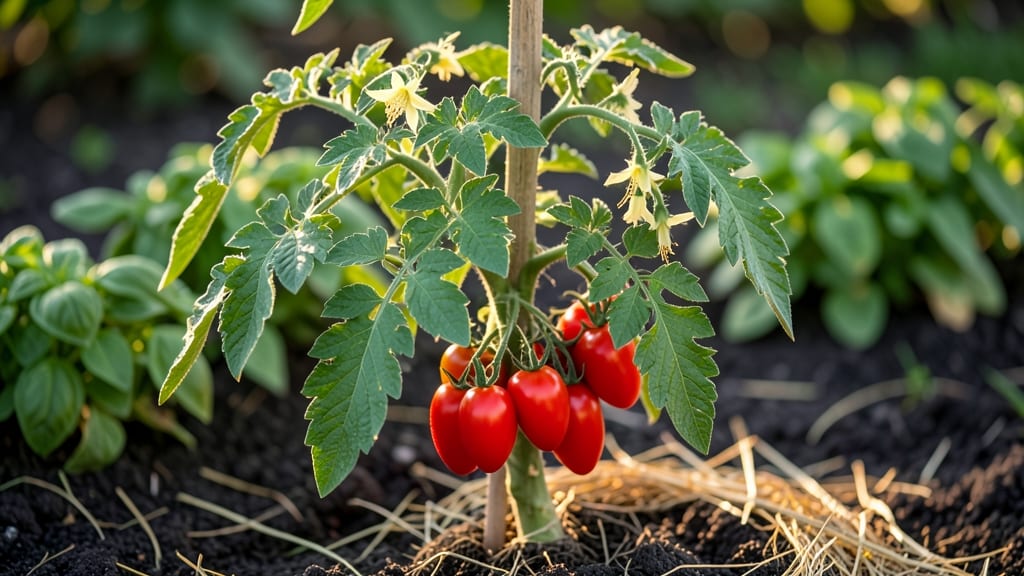
Wondering how tall your Roma tomato plants will grow and whether they’ll fit in your garden or need a trellis? The answer depends on the variety—some stay compact at 3 feet, while others stretch toward the sky, reaching 6 feet or more with proper support.
For most gardeners in Zone 6a, Roma tomatoes planted in spring typically hit 4-5 feet by harvest time, but their growth habits can vary wildly.
Indeterminate types (like classic Roma varieties) keep climbing all season, while dwarf or bush types top out around 3 feet, making them perfect for containers or small spaces.
This height difference isn’t just about aesthetics—it directly impacts your yield and garden layout. A sprawling vine needs staking or a cage, while a compact plant thrives in tight spots.
I’ll break down the best varieties for your space, plus pro tips to control growth naturally, so you get the most fruit without the chaos.
Whether you’re working with a balcony planter or a backyard plot, knowing your Roma tomato’s growth potential is the first step to a bountiful harvest. Let’s dive into the details so you can plan like a pro!


Roma tomato plant height range: from dwarf to towering vines explained
When planning your Roma tomato garden, height isn't just about aesthetics—it directly impacts your harvest yield and space management.
Most Roma tomato plants fall into two main growth categories: indeterminate vines that can climb to 8-12 feet (or taller with ideal conditions) and determinate bush varieties that max out around 3-4 feet.
The difference isn't just in height but in how they produce fruit and how much support they'll need.
If you're working with limited space—like a balcony garden or container setup—choosing a dwarf Roma variety could save you from wrestling with 6-foot trellises. But if you have vertical space and want maximum production, the tall indeterminate types will reward you with continuous harvests all season long.
The key is understanding which growth habit matches your garden layout and maintenance style.
🌱 Did You Know? Most Roma tomato plants sold as "standard" varieties are actually indeterminate, meaning they'll keep growing until frost stops them. Some heirloom strains can reach 15 feet with proper care!
| Growth Type | Height Range | Fruit Production | Space Needs | Support Needed |
|---|---|---|---|---|
| Indeterminate Vines | 6–12+ feet | Continuous (all season) | Vertical or sprawling | Trellis/cage required |
| Determinate Bush | 3–4 feet | Single heavy harvest | Compact (18" spacing) | Minimal (stakes optional) |
| Semi-Determinate | 4–6 feet | Extended harvest | Moderate (24" spacing) | Light support helpful |
Genetics play a huge role in Roma tomato height. Most commercial Roma varieties are bred as indeterminate plants because they produce fruit along the entire vine, giving you a longer harvest window.
However, some heirloom strains and newer dwarf Roma hybrids stay compact—perfect for container growing or small-space gardens. For example, the 'Roma VF' variety stays around 4 feet tall while still offering disease resistance.
Your growing conditions also affect height. Plants in full sun with rich soil and consistent watering will grow taller and produce more vigorously than those in partial shade or poor soil.
If you're in a cooler climate (USDA Zone 4-5), your Roma tomatoes may stay slightly shorter due to shorter daylight hours. Conversely, in hot southern climates, some varieties can become overly leggy without proper pruning.
Height isn't just about vertical space—it affects your harvest strategy too. Taller indeterminate plants need more frequent pruning and support to keep them from toppling over, but they'll produce fruit for weeks longer than bush varieties.
Meanwhile, compact Roma plants are easier to maintain but may require more plants to match the yield of a single tall vine. Think about whether you prefer continuous harvests or one big bounty.
For urban gardeners or those with limited outdoor space, dwarf Roma varieties are a game-changer. Some specialized container Roma tomatoes like 'Roma Red' (a bush type) grow just 2-3 feet tall while still producing plum-shaped fruits perfect for sauces.
These varieties let you grow tomatoes on patios or even windowsills with proper containers and sunlight.
If you're unsure which type to choose, consider your garden's vertical potential. A 6-foot trellis can transform a small backyard into a high-yield tomato tower, while bush varieties work perfectly in raised beds
Roma tomato plant height range: from dwarf to towering vines explained
Understanding how tall Roma tomato plants grow is crucial for planning your garden layout and support systems. Most Roma tomatoes fall into two main growth categories: indeterminate vines (6–12+ feet tall) and determinate bush varieties (2–5 feet tall).
The difference isn’t just about height—it affects yield, spacing, and even how you’ll harvest those prized plum-shaped fruits.
Indeterminate Roma tomatoes are the classic sprawlers, growing continuously until frost. Without support, they can reach 10+ feet, creating a lush, vine-covered jungle. Determinate varieties, on the other hand, grow to a specific height—usually 3–5 feet—before focusing energy on fruit production.
This makes them ideal for small spaces or container gardening.
Here’s the key distinction: genetics determine the baseline height, but growing conditions—like sunlight, pruning, and soil fertility—can influence how tall your plant becomes. For example, a determinate Roma might stay compact in a pot but stretch taller in a garden bed with rich soil and full sun.
| Type | Height Range | Growth Habit | Best For |
|---|---|---|---|
| Indeterminate Roma | 6–12+ ft | Vining, continuous | Trellises, large gardens |
| Determinate Roma | 2–5 ft | Bushy, compact | Containers, small spaces |
| Dwarf Roma | 1.5–3 ft | Ultra-compact | Balconies, windowsills |
Even within these categories, height can vary. For example, the popular 'Roma VF' (virus-resistant) is indeterminate but often stays around 6–8 feet with proper pruning. Meanwhile, 'Roma Super Sauce', a determinate variety, tops out at 3–4 feet—perfect for a 5-gallon container on a patio.
Your garden’s layout also plays a role. Indeterminate vines need 3–4 feet of space between plants to sprawl, while determinate bushes can thrive in 18–24 inches apart. This spacing ensures airflow, reducing disease risk and maximizing fruit production.
If you’re short on space, consider vertical trellising—even indeterminate vines can be trained to grow 8–10 feet tall on a sturdy stake or cage.
Remember, height isn’t the only factor—fruit load and plant health matter too. Taller vines may produce more tomatoes, but they require more support and maintenance. For small gardens, a determinate Roma might yield just as much while saving you time and space.