
Plants
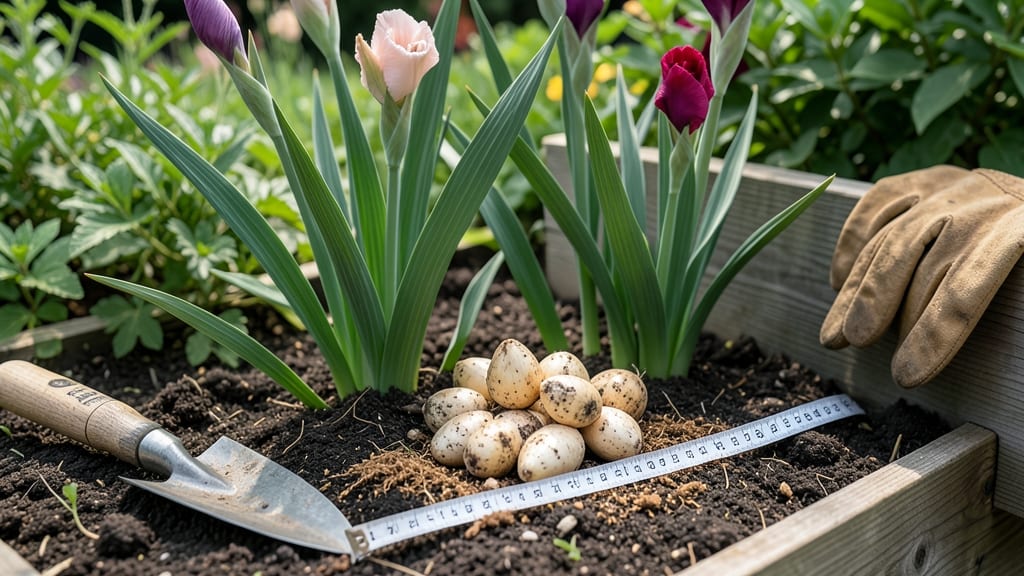
If you’ve ever watched your gladiolus bulbs 🌸 wilt under Indiana’s late spring frosts—or missed their stunning summer blooms by planting too late—you know timing is everything.
The right window between Indiana’s last frost (usually around April 15) and the heat of June determines whether you’ll enjoy towering, vibrant flowers or struggle with leggy, weak stems.
Here’s the secret: gladiolus bulbs thrive when planted in mid-May after the soil warms to at least 60°F, giving roots time to establish before summer’s intensity. But Indiana’s USDA Zone 6a climate throws a wrench—northern counties like Gary face frost risks weeks longer than southern areas like Evansville.
I’ll show you exactly how to adjust your planting schedule to match your corner of the state.
Beyond dates, we’ll cover the 3 critical steps for Indiana gardeners: soil prep to drain heavy clay, proper bulb depth (4–6 inches), and spacing tricks to prevent fungal diseases in our humid summers. Skip these, and even the hardiest varieties like ‘City of Paris’ will struggle.
Ready to transform your garden into a summer-long spectacle? Let’s dive into the exact timing, tools, and techniques that’ll have your gladiolus standing tall and proud—no frost-related disappointments included.
Indiana’s last frost dates and gladiolus planting windows
Timing your gladiolus bulbs correctly in Indiana means waiting until mid-May after the last frost risk has passed.
Indiana spans USDA Zones 5-6, so northern areas (like Gary or Fort Wayne) average April 25 as the last frost date, while southern regions (like Evansville) typically reach this milestone by April 15.
Always check your local Almanac frost predictions or use a soil thermometer to confirm 60°F soil temps—gladiolus roots won’t activate until then.
For Hoosier gardeners, the optimal planting window stretches from mid-April to mid-May, but late April is ideal for northern Indiana counties. Planting too early risks frost damage to emerging shoots, while delaying past May 15 shortens your blooming season (typically July–September).
Urban areas may experience microclimate heat islands, allowing earlier plantings by 1–2 weeks.
Use this comparison table to align your planting schedule with Indiana’s regional variations:
To extend your blooming season, stagger plantings every 2 weeks from mid-April to mid-May. This ensures continuous gladiolus flowers from July through September, even if Indiana’s summer heat arrives early.
For example, plant 1/3 of your bulbs in late April, another 1/3 in early May, and the final batch by May 15.
Indiana’s clay-heavy soils can delay soil warming, so amend beds with compost or sand to reach 60°F soil temps faster. Test soil moisture weekly—gladiolus bulbs rot in soggy conditions, a common issue after Indiana’s spring rains.
Raised beds warm up quicker and improve drainage, making them ideal for northern Indiana gardens.
If you’re unsure about your last frost date, use frost-sensitive plants like impatiens as a test. Plant them 2 weeks before your target date; if they survive, your gladiolus bulbs are safe to go in.
For urban gardeners, sidewalks and buildings can create heat islands, allowing earlier plantings by 7–10 days.
Remember: Gladiolus bulbs need 6+ hours of sunlight daily, so choose a south-facing spot with well-draining soil. Avoid low-lying areas where cold air pools—these spots can delay planting by 1–2 weeks even in Zone 6.
Mulch after planting to retain soil warmth and suppress weeds, which thrive in Indiana’s humid summers.
For container gardening, use black pots to absorb heat and plant bulbs in early May once daytime temps stay above 65°F. Containers dry out faster, so water every 2–3 days during Indiana’s hot, dry spells.
Add perlite to potting mix to prevent root rot, a common issue in
Indiana’s last frost dates and gladiolus planting windows
Indiana’s USDA Zone 6a climate means gladiolus bulbs 🌸 should only hit the soil after the last frost date, which typically lands between April 15 (northern counties) and May 1 (southern regions).
Using the National Weather Service’s frost data for your county is key—delaying until mid-May ensures roots establish before summer’s heat.
Soil temperature matters just as much as air temperature. Gladiolus bulbs need soil at 60°F or warmer to sprout reliably. In Indiana, this usually aligns with late April to early May, but urban areas like Indianapolis may warm faster due to the heat island effect.
Always check with a soil thermometer before planting.
Here’s how Indiana’s regions break down for planting windows:
| Region | Last Frost (Avg.) | Ideal Planting Window | Soil Temp Threshold |
|---|---|---|---|
| Northern Indiana (Gary, Fort Wayne) | April 20–May 5 | Mid-May (after May 10) | 60°F+ |
| Central Indiana (Indianapolis, Lafayette) | April 15–April 30 | Late April–early May | 60°F+ |
| Southern Indiana (Evansville, Terre Haute) | April 1–April 15 | Mid-April–early May | 55°F+ (warmer earlier) |
Microclimates can shift your planting date by 1–2 weeks. For example, a south-facing slope warms faster than a shaded backyard, while low-lying areas may stay colder longer. If you’re unsure, use biodegradable frost cloth for an extra buffer during late April plantings.
Pro tip: Stagger your plantings in 2-week intervals from mid-May through early June. This extends your blooming season from July to September, ensuring continuous color. Just be sure to mark your planting dates—gladiolus bulbs need 90–120 days to flower, and late plantings may not bloom before frost.
Indiana’s humid summers also mean fungal diseases like botrytis thrive on wet foliage. Planting at the right time reduces stress on bulbs, giving them the strength to fight off pests. Pair your timing with well-draining soil (more on that in the next section) to set your gladiolus up for success.