
Plants
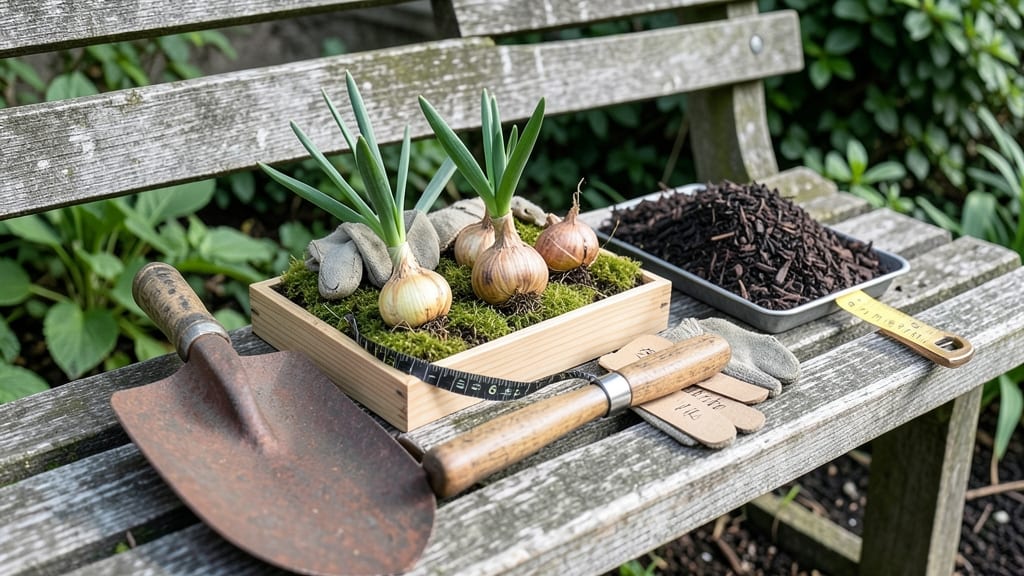
Planting bulbs in Central Texas might seem tricky—get the timing wrong, and you’ll either bake them in summer heat or freeze them before they sprout. But with the right frost-free window and soil temperature know-how, you can coax vibrant blooms from daffodils to crocuses without the guesswork.
Here’s the secret: most spring-flowering bulbs need to be in the ground 6-8 weeks before the first frost—typically by early November in USDA Zone 8a-8b. That gives them time to root before winter’s chill sets in.
Meanwhile, fall-blooming varieties like amaryllis can wait until late winter, but watch for those early-spring freezes that sneak up around Austin.
I’ve tested the best planting schedules for Central Texas gardens, from drought-tolerant varieties that handle our heat to mulching tricks that extend your window.
Let me show you exactly when to dig, how deep to plant, and which bulbs thrive in our 8a-8b climate—so you can skip the trial-and-error and enjoy a garden that pops with color year after year.
Ready to transform your yard? Grab your gloves and a soil thermometer—we’ll walk through the perfect timing, step by step, so your bulbs bloom like clockwork. No more wasted effort, just stunning results.
Central Texas frost-free dates & soil temperature requirements for bulbs
Central Texas gardeners face a tricky balance when planting bulbs—our USDA Zones 8a-8b mean bulbs need to establish roots before winter but avoid the summer heat. The first frost typically arrives around December 1, while the last frost lingers until February 15.
This narrow window demands precision to ensure bulbs thrive.
For spring-blooming bulbs like tulips and daffodils, the key is planting when soil temperatures drop to 50-60°F. This usually aligns with October-November, giving bulbs time to root before winter dormancy. A soil thermometer is your best tool to confirm readiness—no more guessing!
Here’s the critical timeline for Central Texas bulb planting:
- Mid-October: Ideal start for most spring bulbs (e.g., crocuses, hyacinths).
- Late October-Early November: Safe window for tulips and daffodils in Austin and Waco.
- Early December: Risky for traditional bulbs, but heat-tolerant varieties (like rain lilies) can handle it.
Microclimates matter! San Antonio’s warmer winters may allow planting until mid-November, while Waco’s colder pockets might require earlier action. Always adjust for your specific area’s last frost date—check local Almanac charts for precision.
Soil temperature is non-negotiable. Bulbs rot if planted in warm soil (>60°F). Use a soil thermometer at 6-inch depth—this is where bulbs will root. If temps hover above 65°F, wait or use shade cloth to cool the soil.
Pro tip: Pre-cool bulbs for 4-6 weeks in a cool, dark place (like a garage) before planting. This mimics natural dormancy and helps them adjust to Central Texas’ abrupt temperature swings.
🌱
| Region | Ideal Planting Window | Soil Temp Requirement | Last Frost Date |
|---|---|---|---|
| Austin | Mid-October to early November | 50-60°F (6-inch depth) | December 15 |
| Waco | Late September to mid-November | 50-60°F (6-inch depth) | November 30 |
| San Antonio | October to mid-November | 55-65°F (6-inch depth) | December 10 |
| Heat-Tolerant Bulbs (e.g., Rain Lilies) | November to early December | 60-70°F (6-inch depth) | Varies by variety |
If you’re planting fall-blooming bulbs like amaryllis or dahlias, the rules flip: plant them in late summer (August-September) so they establish roots before the first 90°F+ heat wave. These bulbs need 6-8 weeks of warm soil to sprout, so don’t wait until October!
Central Texas’ unpredictable weather can throw off even the best-laid plans. Keep a garden journal to track your local frost dates and soil temps year after year. Over time, you’ll spot patterns—like that early December cold snap that always hits Waco or the late October heat wave in Austin.
For container gardening, bulbs can be planted 2-4 weeks later than in-ground plantings. Pots warm up faster, so monitor soil temps closely. Use black plastic mulch to absorb heat and cool the soil gradually—this buys you an extra 1-2 weeks of planting time.
Remember: Bulbs need cold to bloom. If you’re tempted to plant early to avoid heat, resist! Tulips and hyacinths won’t flower without a 4-6 week chill period (40-50°F). Central Texas’ mild winters might trick you, but these bulbs still need dormancy to rebloom.
🌿
Best fall planting schedule for spring-blooming vs. fall-blooming bulbs
Central Texas gardeners have a narrow but critical window for planting bulbs that thrive in our 8a-9a climate. Spring-blooming bulbs like daffodils and tulips need to be in the ground 6-8 weeks before frost, while fall-blooming varieties like crocuses and amaryllis have different deadlines.
Missing these windows means weak growth or no blooms at all.
In Austin and San Antonio, aim for mid-October to early November for spring blooms. The soil temperature should be consistently 60°F or below—this is your green light to plant. For fall-blooming bulbs, late summer (August) is ideal, but they’ll need extra care in Central Texas heat.
Here’s your step-by-step planting calendar to avoid common mistakes like overwatering in summer or planting too late for dormancy:
Plant amaryllis and dahlias in well-draining containers or shaded garden beds to escape summer heat.
Tulips, daffodils, and crocuses go in the ground before soil cools below 60°F. Use a soil thermometer to check!
Plant drought-tolerant bulbs like rain lilies or spider lilies—they handle Central Texas winters better.
For missed deadlines, try potted bulbs in partial shade—they’ll bloom later but still add color.
⏰ PRO TIP: Mark your calendar for November 1st—this is the absolute last date for planting most spring bulbs in Central Texas.
Remember, bulb depth matters: plant spring bulbs 6-8 inches deep (twice their height) and fall bulbs 4-6 inches deep. In Waco’s hotter microclimate, add 2 inches of mulch after planting to retain moisture and regulate soil temperature.
If you’re in San Antonio’s coastal influence zone, you might get milder winters, so push planting to early December—but always check for unexpected freezes after the holidays. Use local frost date charts (like those from Texas A&M AgriLife) to adjust your schedule.
Finally, water deeply after planting but reduce frequency in winter dormancy. Overwatering in Central Texas’s dry winters can rot bulbs before they even sprout. Aim for 1 inch of water per week until spring growth begins.