
Plants
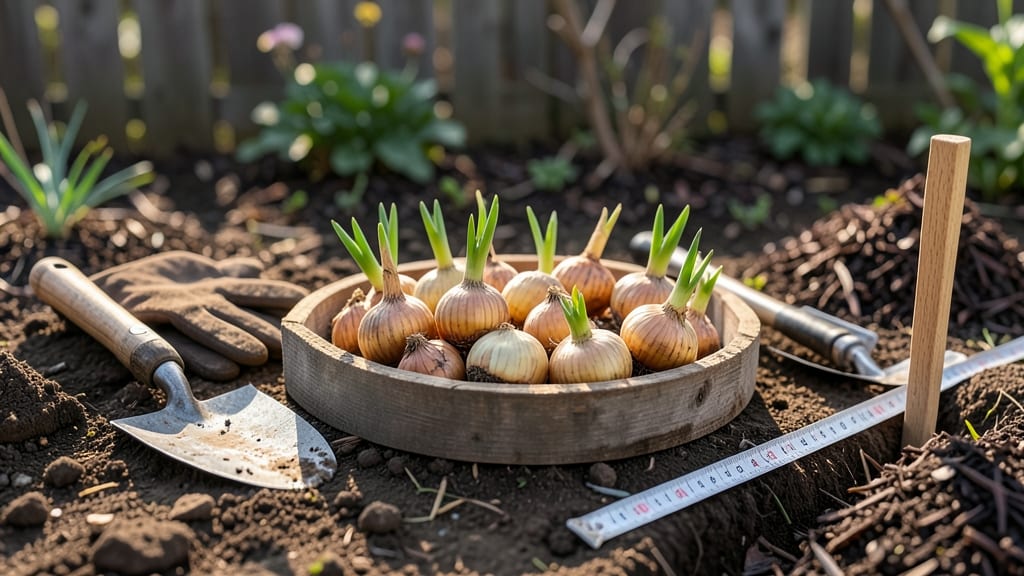
Planting gladiolus bulbs in Georgia at the wrong time can mean the difference between vibrant summer blooms and a sad, wilted mess. With the state's unpredictable spring weather, timing is everything—especially when you're aiming for those show-stopping 🌸 displays from July to September.
Most gardeners in USDA zones 7b-8a reach for their bulbs between March and May, but Georgia's humid climate demands a little extra strategy. Too early, and your corms rot in cold, soggy soil; too late, and your plants struggle under the brutal summer heat.
Let me show you exactly when to plant for foolproof results.
The key is waiting until the soil warms to at least 60°F—typically around early April in most of Georgia—but adjusting for your specific microclimate.
Whether you're in Atlanta's cooler hills or Savannah's balmy lowlands, I'll break down the perfect planting window so you can skip the guesswork and get those dramatic spikes blooming on cue.
Once you've got the timing right, we'll cover everything from soil prep to post-planting care, so your gladiolus thrive all summer long. No more second-guessing—just stunning, reliable blooms that turn heads at every garden party.
Georgia’s gladiolus planting calendar by heat zone (7a-8b)
Georgia’s USDA zones 7a-8b create a unique challenge for gladiolus growers—too early, and corms rot in soggy spring soil; too late, and summer heat stunts blooms. The key is planting when soil temps hit 60°F and last frost risks fade.
Here’s your heat zone-specific planting schedule to maximize those showstopping summer blooms. 🌸
Most Georgia gardeners fall into zones 7b-8a, where last frost dates range from mid-March (north) to early March (south). For zone 7a (mountains like Blue Ridge), wait until April 1 to avoid frost damage.
In zone 8b (Savannah, Brunswick), you can plant as early as late February if soil is dry. 🌡️
Here’s your month-by-month breakdown for planting gladiolus corms in Georgia, including soil prep and aftercare tips to beat the heat:
| Zone | Ideal Planting Window | Soil Temp Check | Depth & Spacing | Bloom Time |
|---|---|---|---|---|
| 7a (Blue Ridge, Dalton) | April 1–15 | 60°F+ (use soil thermometer) | 4–6" deep, 6" apart | July–September |
| 7b (Atlanta, Macon) | March 15–April 1 | 60°F+ (wait for dry spells) | 4–6" deep, 6" apart | June–August |
| 8a (Columbus, Augusta) | March 1–15 | 55–60°F (earlier if dry) | 4–6" deep, 6" apart | May–July |
| 8b (Savannah, Brunswick) | February 20–March 15 | 55°F+ (avoid wet soil) | 4–6" deep, 6" apart | April–June |
💡 Pro Tip: Test soil temp with a thermometer—plant only when it’s consistently 60°F+ for 3+ days.
If you’re in zone 7a, don’t rush—waiting until April ensures frost-free growth. For zones 8a-8b, early March planting gives corms a 6-week head start before Georgia’s 90°F+ summers arrive. Late May plantings are risky—they may bolt (flower prematurely) or struggle in heat. 🌡️
Georgia’s humidity and clay-heavy soils demand extra prep. Before planting, amend soil with compost or sand to improve drainage. A raised bed in zones with heavy clay (like Macon) can prevent rot. Add a 2-inch layer of mulch after planting to retain moisture without smothering corms. 🪴
For container growing (great for Savannah’s heat islandswell-draining pots with cactus/succulent mix. Plant 2–3 corms per 12" pot and place in full sun. Containers dry out faster—water daily in summer to prevent wilting. 🏺
Timing isn’t just about months—it’s about weather patterns. Check the NOAA 7-day forecast for dry spells before planting. If heavy rains are predicted, delay until soil dries. Chinch bugs (a Georgia pest) thrive in damp soil—plant during dry periods to reduce risk. 🛡️
After planting, label your rows—gladiolus varieties bloom at different times, and late bloomers (like ‘Green Star’) need extra time.
In zone 8b, you can even plant a second crop in late summer (August) for fall blooms, though they’ll be smaller. Harvest corms after first frost by digging up and curing in a shady, dry spot for 2 weeks. 📅
Remember: Gladiolus corms are not frost-tolerant. If a late frost hits after planting (unlikely in zone 8b but possible in 7arow fabric until temps rise. Never plant in fall—corms won’t survive Georgia’s mild winters and will rot. 🌱
For maximum blooms, fertilize lightly at planting with a balanced 5-10-10 mix, then again when shoots reach 6 inches. Avoid high-nitrogen fertilizers—they promote foliage over flowers. In <
Signs your gladiolus bulbs are ready to plant (beyond the calendar)
Georgia’s spring weather can be unpredictable—one day it’s 60°F, the next it’s 80°F. Relying solely on a calendar might leave your gladiolus bulbs vulnerable. Instead, watch for these 3 key signs that your soil and climate are finally perfect for planting.
First, check your soil temperature. Gladiolus corms thrive when soil reaches at least 60°F. Use a soil thermometer to confirm—dig it 4 inches deep, where the bulbs will sit.
If it’s cooler, wait a few more days. Cold soil can cause rot before sprouting, even if the air feels warm.
Next, examine the corm firmness. Healthy gladiolus corms should feel firm and plump, not shriveled or soft. Gently squeeze—if it gives slightly, it’s dormant but viable.
If it’s mushy, it’s rotting, and you should discard it. Store any remaining corms in a cool, dry place until conditions improve.
Don’t ignore the rainfall forecast. Georgia’s spring showers can turn your garden into a muddy mess if planted too early. Aim to plant when the 5-day forecast predicts minimal heavy rain.
Wet soil compacts easily, making it hard for roots to establish. A dry spell of 3-5 days after planting gives roots the best chance to grip the soil.
Georgia’s humidity means overwatering is a common mistake. Plant only when the top 2 inches of soil are dry to the touch. If you’re unsure, wait another week—your gladiolus will thank you with stronger stems and bigger blooms.
Finally, observe the local wildlife. When you see daffodils or tulips blooming in your area, it’s a natural signal that gladiolus season is near. These early bloomers thrive in cooler temps, while gladiolus prefers slightly warmer soil.
Time your planting for 2-3 weeks after your daffodils fade—this often aligns with late March to early April in most of Georgia.
Pro tip: If you’re in Zone 8b (e.g., Savannah), push planting to April to avoid the hotter summer heat that can stress young corms. In Zone 7a (e.g., Blue Ridge Mountains), stick to March to maximize the growing season before frost.
Once you’ve confirmed all signs are green-lit, grab your gloves and get planting! The key is acting quickly—gladiolus corms can sprout in as little as 2 weeks once soil temps rise. Don’t wait too long, or you’ll miss the peak bloom window from June to October.