
Plants
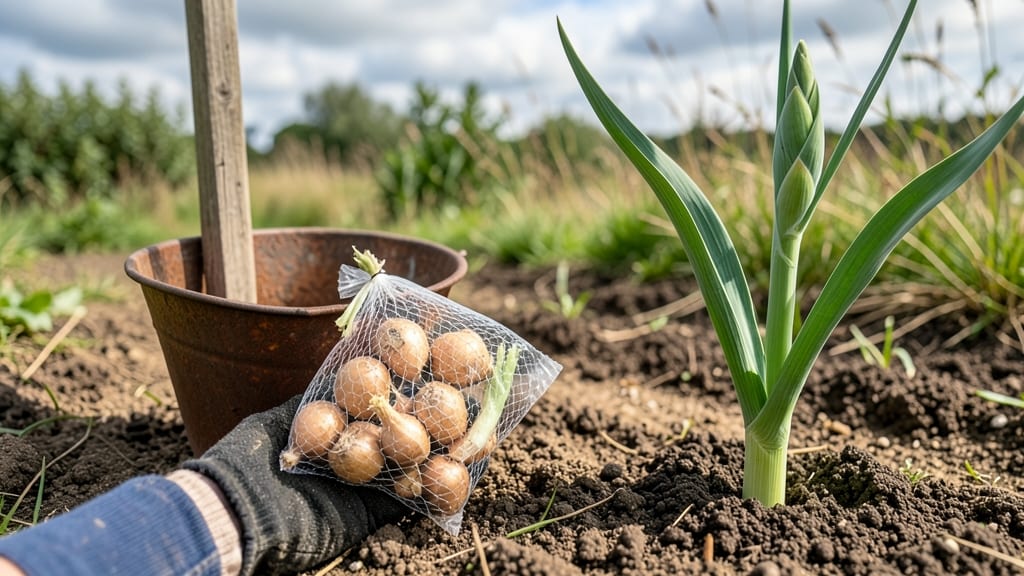
When to plant gladiolus bulbs in Wisconsin is the secret to those jaw-dropping summer blooms 🌸 that make Wisconsin gardens shine. Plant too early, and frost can turn your hard work into mush; too late, and you miss the peak flowering season. The difference between a showstopping display and a disappointing patch of dirt often comes down to knowing exactly when to get those bulbs in the ground.
Wisconsin’s climate throws a curveball with its unpredictable springs and early frosts, but there’s a sweet spot for gladiolus planting that works across USDA zones 4a-6b.
Whether you’re in the northern reaches of Madison or the warmer southern regions near Milwaukee, the key is waiting for consistent soil temperatures and those last frost dates that can shift from mid-May to early June.
I’ll show you how to read the signs and avoid the common mistakes that leave gardeners scratching their heads.
What you’ll discover here is a foolproof method for staggered planting that extends your blooms from late summer into fall, plus how to protect your bulbs if Mother Nature throws a late frost your way.
No more guessing games—just vibrant, healthy gladiolus that steal the show in your garden. Let’s get those bulbs in the ground at the perfect moment.
Ready to transform your Wisconsin garden into a summer spectacle? The next few weeks are critical, and I’ve got the exact timing and tips you need to make it happen without a hitch. Let’s dive in.
Wisconsin’s frost-free planting window for gladiolus bulbs
Wisconsin’s climate—with its variable frost dates and USDA zones 4a-6b—demands precise timing for gladiolus bulbs. Planting too early risks frost damage, while waiting too long shortens your summer-to-fall bloom season. Let’s break down the ideal frost-free window for your region.
In southern Wisconsin (zones 5b-6b), like Madison or Milwaukee, your last frost typically occurs mid-to-late May. This means you can safely plant gladiolus bulbs by late May to early June.
For northern Wisconsin (zones 4a-4b), such as Green Bay or Eau Claire, wait until early to mid-June to avoid frost.
But don’t rely solely on calendar dates! Check your local frost forecast (via National Weather Service or Old Farmer’s Almanac) and confirm soil temperatures. Gladiolus bulbs thrive in soil that’s at least 60°F (15°C). Use a soil thermometer to verify—planting in cooler soil delays growth.
🌱
| Region & Zone | Last Frost Date | Ideal Planting Window |
|---|---|---|
| Southern WI (5b-6b) e.g., Madison, Milwaukee | Mid-to-late May | Late May – Early June |
| Central WI (4b-5a) e.g., Wausau, Stevens Point | Late May – Early June | Early to Mid-June |
| Northern WI (4a) e.g., Green Bay, Eau Claire | Early June | Mid-June |
| ⚠️ Soil Temp Check: Wait until soil is 60°F+ (use a thermometer!) | ||
For extra safety, aim to plant 4-6 weeks after your last frost date. This gives your gladiolus bulbs time to establish roots before Wisconsin’s unpredictable late-spring cold snaps. For example, if your last frost is May 20, plant by June 10.
Pro tip: Use black plastic mulch to warm the soil faster if you’re eager to plant early. This can shave off 1-2 weeks of waiting time by raising soil temperatures by 5-10°F. Just remove it once bulbs sprout to prevent overheating.
In Wisconsin’s clay-heavy soils, drainage is key. Amend your soil with compost or sand to prevent waterlogging, which can cause bulb rot. Test your soil’s drainage by digging a hole, filling it with water, and checking if it drains within 2 hours. If not, improve drainage before planting.
💧
Remember, gladiolus bulbs planted in June or early July will still bloom beautifully—just expect slightly shorter stems and fewer flowers. But for maximum height and abundance, stick to the late May to early June window in southern Wisconsin or mid-June in the north.
How to extend your gladiolus season in Wisconsin’s unpredictable climate
Wisconsin’s variable spring weather can make timing tricky, but with a few smart strategies, you can stretch your gladiolus blooms from early summer to crisp fall. The key? Staggered planting and seasonal adjustments that account for Wisconsin’s USDA zones 4a-6b and unpredictable frost patterns.
Start by planting three batches of bulbs in 3-week intervals. This ensures continuous blooms: your first batch planted in late May will reward you with mid-summer flowers, while the final batch in early July delivers late-summer color before frost.
For northern Wisconsin gardeners, delay your first planting until early June to avoid spring frost surprises.
🌱 Pro Tip: Use a cold frame or row cover to protect early plantings from late frosts. These low-cost solutions can buy you 2-3 extra weeks of growing time, letting you plant bulbs as early as mid-May in southern Wisconsin.
For container gardeners, choose dwarf varieties like 'Pyromania' or 'Black Pearl' and plant in large pots with drainage holes. These can be moved to protected spots (like a sunny patio) if frost threatens.
Remember, gladiolus bulbs thrive when soil temps hit 60°F consistently—use a soil thermometer to confirm readiness.
My personal trick? Mark your planting dates on a garden calendar and note which varieties performed best. Over time, you’ll fine-tune your schedule to match Wisconsin’s unpredictable microclimates. With these adjustments, you’ll enjoy bold gladiolus blooms from July through October—no frost damage in sight!
☀️ Remember: Gladiolus bulbs planted in July or August will produce smaller but later blooms, perfect for fall weddings or holiday arrangements.