
Plants
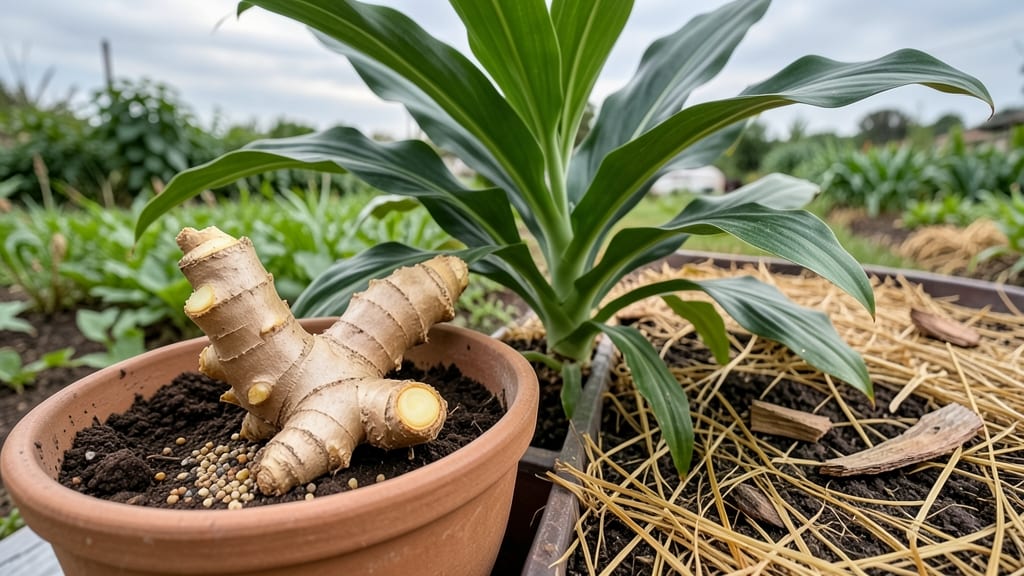
To plant ginger in Zone 9 and get that bold harvest you’re dreaming of, timing is your secret weapon. Unlike cooler climates, Zone 9’s frost-free winters and scorching summers mean you can’t just follow a generic schedule—you’ve got to work with the heat and humidity to your advantage.
Most gardeners in Zone 9 swear by planting ginger in late winter to early spring, when soil temperatures are ideal and summer’s intensity hasn’t kicked in yet.
But here’s the catch: ginger’s long growing season (up to 12 months) means you’ll need to plan around those sweltering afternoons too.
In this guide, I’ll break down the exact months to plant for maximum rhizome growth, how to prep your soil for Zone 9’s unique climate, and when to harvest before the heat becomes a problem. No more guessing—just a foolproof schedule tailored to your region.
Whether you’re a first-timer or a seasoned gardener, these tips will help you avoid common pitfalls like heat stress or overwatering. Let’s get your ginger off to the best start possible.
Optimal ginger planting months in Zone 9 for maximum growth
Zone 9’s frost-free climate means you can plant ginger year-round, but timing still matters for rhizome development and harvest success. Unlike cooler zones, ginger thrives best when planted during mild temperatures (60–80°F) to avoid summer heat stress.
My ideal window? Late winter to early spring—specifically January through March—when soil warms but extreme heat hasn’t arrived yet.
Why these months? Ginger rhizomes need 4–6 weeks of warm soil (above 65°F) to sprout and establish roots before summer’s intensity. Planting in January or February gives your ginger enough time to mature before June’s peak heat, when growth slows.
Coastal areas (like San Diego or Miami) can push planting into early April thanks to cooler ocean breezes, while inland zones (like Phoenix or Las Vegas) should stick to winter planting.
🌱 Did You Know? Ginger in Zone 9 can be a year-round crop if managed correctly. Some gardeners plant small batches every 2 months to ensure a continuous harvest, but this requires careful water and shade management.
| Planting Window | Soil Temp | Harvest Timeline | Zone 9 Microclimate Notes |
|---|---|---|---|
| January–February | 65–75°F | 10–12 months | Best for inland areas; avoid summer drought. |
| March–April (coastal) | 70–78°F | 9–11 months | Ideal for San Diego/Miami; use shade cloth. |
| December (small batches) | 60–68°F | 12–14 months | Risk of fungal issues; ensure airflow. |
If you’re planting in summer (May–August), expect slower growth due to heat stress. Ginger’s native tropical habitat thrives in humidity and shade, so Zone 9’s dry summers can stunt rhizome development.
To mitigate this, I recommend mulching heavily and providing 30–50% shade cloth during peak afternoon sun (12–4 PM). Some gardeners even grow ginger in containers for easier moisture control.
Avoid planting in September or October unless you’re aiming for a winter harvest. The shortening days and cooling temps can delay maturity, and rhizomes may not fully develop before the next growing season. Instead, focus on January–March for the most reliable large, aromatic rhizomes.
Pro tip: Use a soil thermometer to monitor temperatures. Ginger rhizomes won’t sprout until soil reaches 65°F consistently. In inland Zone 9, this often happens in late February, while coastal areas may hit this mark by January.
Planting too early in cold soil leads to rot or delayed sprouting.
For container growing, timing shifts slightly. Since pots heat up faster, plant ginger in containers in February and move them to shaded patios by May to protect roots. This method works well for balconies in Los Angeles or Tucson, where ground temps can vary wildly.
Finally, consider succession planting for a steady supply. Plant a small batch every 6 weeks from January to April, then harvest as each batch matures. This ensures you always have fresh ginger rhizomes without waiting a full year.
Zone 9’s year-round growing potential is a gardener’s dream, but timing and microclimate awareness are key to avoiding heat stress or fungal issues. Stick to January–March for the best results, and adjust for your local conditions! 🌿
Optimal ginger planting months in Zone 9 for maximum growth
Zone 9’s frost-free climate means you can plant ginger year-round, but timing still matters for rhizome development. The ideal window is January to February, when soil temperatures hover around 60-70°F. This aligns with ginger’s natural growth cycle, avoiding summer’s intense heat and winter’s cooler temperatures.
For a second harvest, consider late summer planting (August-September). While ginger grows slower in Zone 9’s heat, this method works well for smaller batches or container gardening. Just ensure your rhizomes are well-hydrated during dry spells.
Coastal areas in Zone 9 (like San Diego or Miami) benefit from earlier planting (December-January) due to milder winters. Inland regions (e.g., Phoenix or Las Vegas) should wait until February-March to avoid soil overheating.
| Planting Window | Soil Temp (°F) | Growth Speed | Best For |
|---|---|---|---|
| January-February | 60-70°F | Fast | Main harvest |
| August-September | 75-85°F | Slow | Secondary harvest |
| December-March (coastal) | 55-65°F | Moderate | Mild climates |
Ginger rhizomes need 6-12 months to mature in Zone 9. Planting in January ensures harvest by December, while August plantings may yield smaller rhizomes by next summer. Monitor your plants’ leaf color—yellowing indicates readiness for harvest.
Avoid planting during peak summer (June-August) unless using shade cloth. High temperatures stress rhizomes, leading to stunted growth or bitter flavors. Instead, focus on soil enrichment and mulching to retain moisture during hot months.
Pro tip: Use a moisture meter to check soil temps before planting. Aim for 60°F+—ginger won’t sprout in cooler soils. In containers, rhizomes mature faster due to warmer root zones.