
Plants
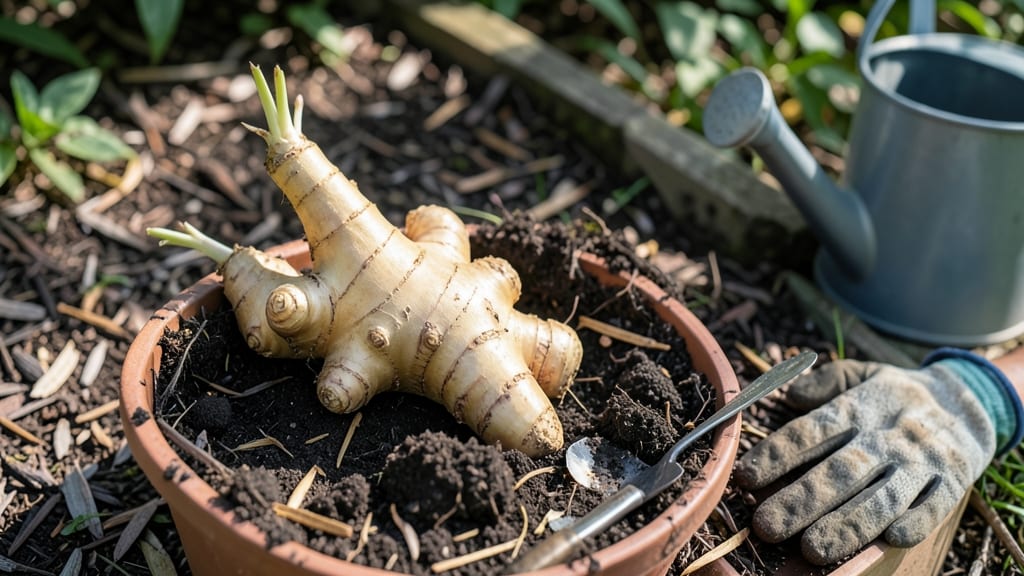
To plant ginger in Zone 8, timing is everything—and getting it wrong can mean the difference between a thriving harvest and wasted effort.
Unlike hardy crops that shrug off cooler temps, ginger 🌿 demands soil that’s warm enough to spark those first critical roots, usually when daytime highs hit 65°F consistently.
Most gardeners in Zone 8 reach for their rhizomes between February and March, but that’s just the starting point. Coastal areas might play by different rules than inland spots, and even a 5-degree temperature swing can delay sprouting by weeks.
The key? Learning to read your soil’s cues before the calendar tells you it’s time.
What you’re about to discover isn’t just about picking a month—it’s about creating the perfect conditions for fast, vigorous growth. We’ll cover how to test soil warmth, adjust for your local microclimate, and even choose the right ginger variety for your Zone 8 patch.
Skip the guesswork and let’s get those rhizomes in the ground at the exact moment they’ll take off.
Ready to turn your patch into a ginger powerhouse? The secrets to faster sprouts and bigger harvests start with one simple rule: plant when the earth is ready, not just when your calendar says so. Let’s break it down step by step.
Optimal planting windows for ginger in Zone 8 based on soil temperature
Ginger rhizomes need consistent soil temperatures above 60°F to sprout and thrive. In Zone 8, this means waiting until late winter or early spring when the ground warms naturally.
Planting too early—before March 15—risks exposing tender shoots to unexpected late frosts, which can kill young plants before they establish roots.
Your best window is mid-March through April, when daytime temperatures hover around 70°F+ and nighttime lows stay above 50°F. This aligns with Zone 8’s last frost date (typically February 15 but varies by microclimate).
Coastal areas may have slightly earlier windows, while inland regions should wait until April 1 to avoid frost risks.
Use a soil thermometer to confirm readiness—ginger rhizomes won’t sprout until the soil reaches 60°F for 3+ days. Stick the thermometer 2 inches deep (ginger’s planting depth) and monitor daily. If temperatures dip below 55°F at night, delay planting for 1-2 weeks to protect emerging shoots.
For summer planting, ginger can also grow in Zone 8 if you start after June 1, but yields may be smaller. The key is maintaining consistent moisture and humidity—ginger hates drying out.
Summer-planted ginger often matures faster but requires daily shade during peak afternoon heat to prevent leaf scorch.
| Planting Window | Soil Temp Requirement | Frost Risk | Best For |
|---|---|---|---|
| Mid-March to April | 60°F+ (consistent) | Low (post-last frost) | Largest yields, ideal for beginners |
| Late February (coastal only) | 58°F+ (with protection) | Moderate (late frosts possible) | Early harvests in mild microclimates |
| June 1+ (summer) | 65°F+ (daily) | None | Faster maturation, smaller rhizomes |
🌱 Pro Tip: Test soil temp at 10 AM for accuracy—morning lows can be misleading.
If you miss the spring window, don’t despair—ginger can still grow in Zone 8 with container gardening. Use black plastic pots to absorb sunlight and warm the soil faster.
Place containers in a south-facing spot and cover with burlap sacks at night to retain heat. This extends your planting window until mid-April safely.
Watch for sprout emergence within 2-3 weeks of planting. If your ginger takes longer than 4 weeks to sprout, the soil may still be too cool. In this case, mulch heavily with straw or leaves to insulate the rhizomes and encourage faster warming.
Avoid synthetic mulches—they can trap too much moisture and rot the ginger.
For extended harvests, stagger your planting by 3-week intervals in March and April. This ensures a continuous supply of rhizomes from fall through winter. Save the largest, healthiest rhizomes for replanting, and use smaller ones for cooking.
Always store ginger in a cool, dark place (like a root cellar) to preserve freshness.
Remember: Ginger is not frost-tolerant at any stage. If a late frost warning appears after planting, cover your ginger with row fabric or a cold frame immediately. Even 32°F temperatures can damage emerging shoots, so act fast to protect your investment.
🌿 Key Takeaway: Zone 8 gardeners should prioritize soil temperature over calendar dates. Wait for 60°F+ soil and plant between March 15–April 15 for the best results. Summer planting is possible but requires extra care to maintain moisture.
Optimal planting windows for ginger in Zone 8 based on soil temperature
Ginger rhizomes need consistent soil temperatures above 60°F to sprout and thrive. In Zone 8, this means waiting until late winter or early spring—typically March or early April—when daytime highs reach 65-70°F and nights stay above 50°F.
Planting too early risks rot from cold soil, while waiting too long may delay harvests before fall’s first frost.
Use a soil thermometer to confirm readiness: insert it 2-3 inches deep (ginger’s planting depth) and wait until it reads 60°F+ for 3+ days. Coastal areas may warm sooner (late February), while inland regions should aim for mid-April to avoid late frosts.
My local nursery even offers soil temperature alerts via email—worth signing up for!
🌱 Key Takeaway: Soil warmth > calendar dates. A 60°F soil trigger beats guessing by month.
✅ Zone 8 Ginger Planting Timeline
| Stage | Action | Soil Temp | Risk if Too Early |
|---|---|---|---|
| Prep Soil | Add compost, mulch | 50°F+ | None |
| Plant Rhizomes | 2" deep, 6" apart | 60°F+ | Rot, no sprouts |
| Sprout Emerges | 2-4 weeks post-plant | 65°F+ | Slow growth |
| Harvest Ready | Fall (Oct-Nov) | 70°F+ | Frost damage |
💡 Pro Tip: Test soil temp daily for 3 days to confirm consistency.
For extended harvests, stagger planting: start with 10% of rhizomes in late February (if soil is warm) and add the rest in March. This ensures a continuous supply from October through November, avoiding the rush before frost.
My first-year attempt failed because I planted all rhizomes at once—now I swear by staggered timing!
Watch for sprout emergence (usually 2-4 weeks after planting). If shoots appear pale or stunted, your soil may still be too cool. In that case, mulch heavily with straw to retain warmth.
Conversely, if sprouts bolt too quickly (tall, thin stems), your soil is overheated—provide afternoon shade with lightweight shade cloth.
Zone 8’s microclimates matter: coastal areas (like Santa Barbara) can plant 2-3 weeks earlier than inland valleys (e.g., Central Valley). Check your local frost dates—most Zone 8 regions have a last frost around February 15, but inland spots may see frost into March.
When in doubt, wait until April for safety.