
Plants
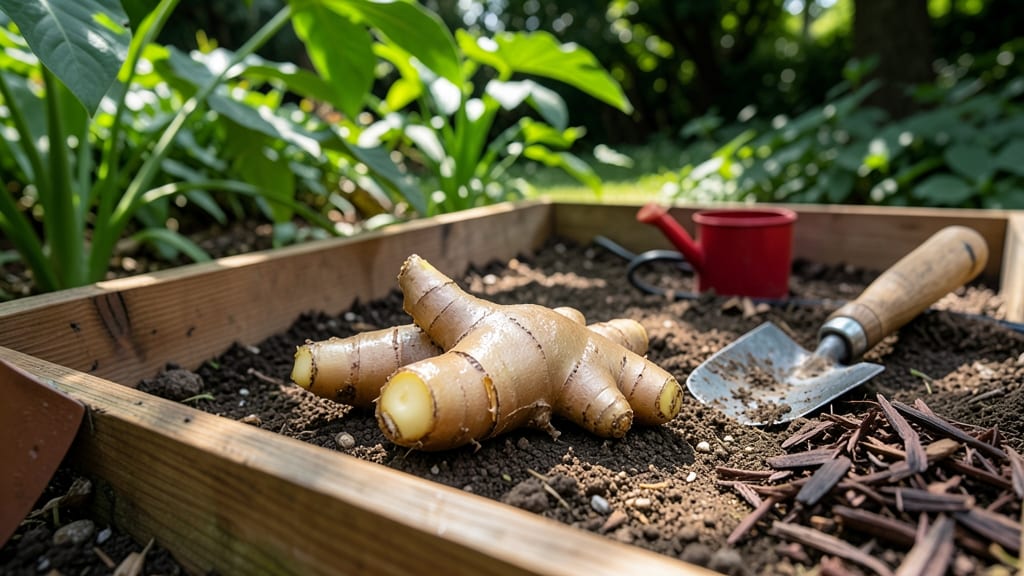
Planting ginger in North Carolina at the right time could mean the difference between a thriving harvest and a total flop—especially when you're dealing with USDA zones 7a-8b and unpredictable spring weather.
The key is getting those rhizomes in the ground between March and April, when soil temperatures warm up just enough to encourage strong root growth without risking frost damage.
I’ve learned the hard way that ginger isn’t like your typical North Carolina garden veggie—it’s a tropical plant that needs warmth to flourish. Too early, and frost will kill your plants before they even sprout.
Too late, and you’ll miss the 10-12-month growing window needed for those plump, flavorful rhizomes. The solution? Time it perfectly, and you’ll be harvesting fresh ginger by late fall.
But here’s the thing: even in NC’s humid climate, not all regions are created equal. Coastal areas might have a slightly longer growing season, while the Piedmont and Mountains could need adjustments.
I’ll walk you through exactly when to plant in your specific corner of the state, plus soil prep tips and care tricks to ensure your ginger thrives from start to harvest.
Ready to grow your own ginger? Let’s break down the best months, soil secrets, and regional tweaks so you can enjoy homegrown ginger year after year—no more store-bought blandness!
Best months to plant ginger in North Carolina for maximum yield
North Carolina’s humid subtropical climate creates perfect conditions for growing ginger (Zingiber officinale), but timing your planting is critical. Since ginger thrives in warm soil temperatures (above 60°F), planting too early risks frost damage, while late planting may yield smaller rhizomes.
The ideal window for planting ginger in NC spans March through April, aligning with soil warming and last frost dates.
Ginger is a tender perennial in NC’s climate, meaning it behaves like an annual—it won’t survive winter frost. This means you’ll need to replant fresh rhizomes each year.
The 10-12 month growth cycle means your ginger will be ready for harvest in October or November, just before the first frost hits (typically mid-November).
For gardeners in USDA zones 7a-8b, the last average frost date ranges from mid-March in the mountains to early April along the coast. To maximize yield, aim to plant 4-6 weeks after your last frost date, ensuring soil temperatures stay consistently warm.
This timing allows ginger rhizomes to establish roots before summer heat peaks.
| Planting Stage | Action | NC Timeline |
|---|---|---|
| Soil Preparation | Add compost, adjust pH to 6.0-7.0, ensure drainage | February-March |
| Planting Rhizomes | Plant 2" deep, 4-6" apart, partial shade | March-April |
| Growth Phase | Water deeply, fertilize lightly (10-10-10) | April-September |
| Harvest Readiness | Foliage yellows, rhizomes plump (2"+ diameter) | October-November |
| Post-Harvest | Dig rhizomes, cure in shade, store dry | November-December |
🌱 Pro Tip: Use a soil thermometer to confirm 60°F+ soil temps before planting.
While March and April are optimal, you can extend your planting window to late February in southern NC (coastal areas) or early May in northern regions (mountains). However, planting after May risks rhizomes not maturing fully before winter.
If you miss the spring window, consider container growing—ginger can thrive in pots moved indoors before frost.
Ginger rhizomes should be soaked overnight before planting to encourage sprouting. Choose healthy, plump rhizomes with visible buds or "eyes"—these will grow into your new plants. Plant with the buds facing upward and cover with 2-3 inches of soil.
Mulching with straw helps retain moisture and regulate soil temperature, which is especially useful in NC’s hot summers.
One common mistake is assuming ginger can handle full sun like tomatoes. In NC’s humid climate, ginger prefers partial shade—especially in the afternoon—to prevent leaf scorch. A location with morning sun and afternoon shade (like under tall trees) is ideal.
If growing in containers, place them near an east-facing window or under a 50% shade cloth during peak summer heat.
For gardeners in cooler mountain regions (e.g., Asheville), consider starting ginger indoors under grow lights in February and transplanting after the last frost. This extends the growing season by 4-6 weeks.
Monitor your local Almanac frost dates—they’re your best guide for adjusting planting times based on microclimates within NC.
Harvesting ginger in NC typically occurs in late fall, but you can dig up a few rhizomes as early as 9 months if you’re impatient! Look for yellowing foliage and firm, plump rhizomes (at least 2 inches in diameter).
After harvesting, let rhizomes cure in shade for 1-2 weeks before storing in a cool, dry place—this mimics their natural dormancy period.
If you’re new to growing ginger, start small with 3-5 rhizomes to test your soil and microclimate. Ginger is low-maintenance once established, but NC’s variable rainfall means you’ll need to monitor soil moisture—especially during drought periods. A drip irrigation system can help maintain consistent moisture without overwatering.
Remember, ginger’s flavor intensity is directly tied to growing conditions. In NC’s rich, humid soil, you’ll likely get spicier, more aromatic ginger than store-bought varieties. With the right timing and care, you could be harvesting homegrown ginger for fresh teas, stir-fries, or baking by next fall! 🌿
Best months to plant ginger in North Carolina for maximum yield
North Carolina’s humid subtropical climate creates perfect conditions for growing ginger rhizomes, but timing your planting is critical. Ginger thrives in warm soil temperatures (60°F+) and long growing seasons—ideal conditions occur between March and April across most of the state.
Planting too early risks frost damage, while late planting may result in smaller, less flavorful roots.
Your last frost date in NC typically falls around mid-April, making late March to early April the sweet spot for most regions. In coastal areas, you might start as early as February due to milder winters, while mountain regions should wait until late April to avoid frost.
Always check your local USDA Zone (7a-8b) for precise timing.
🌱 Ginger Planting Timeline for NC
| Stage | Action | Timeframe |
|---|---|---|
| Soil Prep | Amend soil with compost | February-March |
| Planting | Plant rhizomes 2" deep | March-April |
| Growth | Water deeply weekly | April-October |
| Harvest | Dig rhizomes when leaves yellow | October-November |
For gardeners in USDA Zone 7a (e.g., Asheville), aim for late April planting to avoid late frosts. In Zone 8b (e.g., Raleigh), you can start as early as February in protected microclimates. Always monitor soil temperatures—ginger rhizomes won’t sprout until the ground reaches 60°F consistently.
If you miss the spring window, fall planting is possible but risky. Ginger needs 10-12 months to mature, so a September planting might yield harvestable roots by next fall—but expect smaller yields due to shorter growing seasons.
For best results, stick to spring planting and plan ahead for next year’s crop.
Pro tip: Use black plastic mulch in early spring to warm soil faster and extend your planting window by 2-3 weeks. This is especially helpful in cooler mountain regions where soil takes longer to heat up.
Combine this with partial shade cloth to protect young plants from intense NC summer sun.
Remember, ginger is a tender perennial in NC—it won’t survive winter outdoors. Treat it as an annual crop and replant fresh rhizomes each year for the best harvests. With the right timing and care, you’ll enjoy bold, flavorful ginger roots straight from your garden by fall! 🌱