
Plants
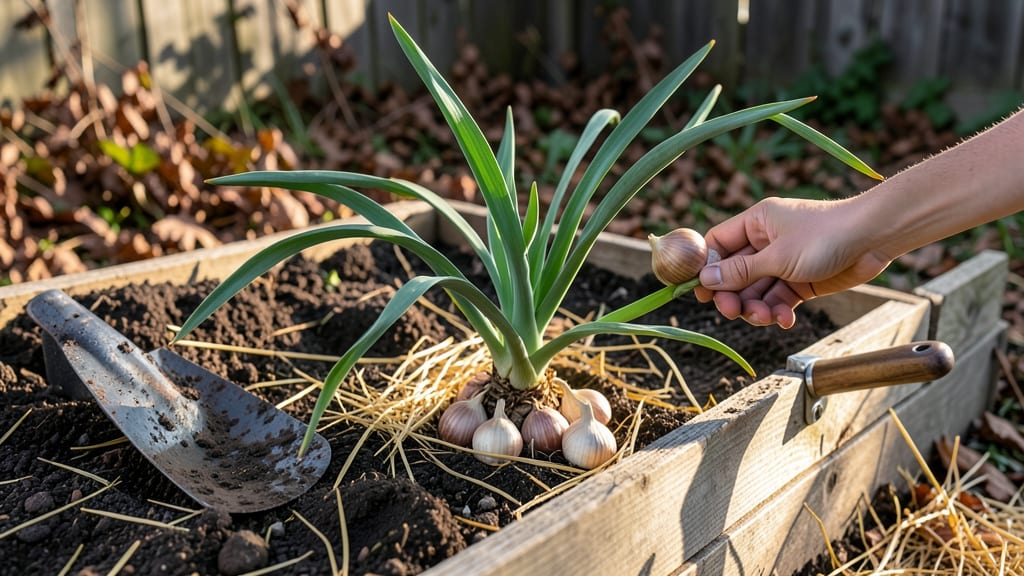
Planting garlic in North Carolina at the right time is the secret to plump, flavorful bulbs—because if you wait too long, your 🧄 won’t have time to root before winter’s chill sets in.
Most gardeners here swear by fall planting, but the exact window depends on your zone—whether you’re in the cooler mountains of 6a or the milder coast of 8a. Get it wrong, and you’ll end up with stunted growth or, worse, no harvest at all.
In this guide, I’ll break down the perfect planting months for your location, plus soil prep tricks and frost timing that actually work in NC’s climate. No guesswork—just a foolproof schedule for garlic that thrives.
Ready to grow garlic that’s bigger, stronger, and ready to harvest next summer? Let’s get started with the timing that makes all the difference.
Best months to plant garlic in North Carolina for maximum yield
North Carolina’s USDA Zones 6a-8a offer perfect conditions for growing hardneck and softneck garlic, but timing your planting is critical. The ideal window is between October and November, when soil temperatures drop to 40–50°F—this triggers root growth before winter dormancy.
Planting too early risks weak root systems, while late planting may delay bulb development.
For hardneck varieties, which thrive in colder climates, aim for mid-October in most of NC. Softneck varieties, better suited for milder winters, can go in until early November.
In Zone 8a (e.g., Raleigh), you might push planting to early December, but avoid planting after the first frost—roots need time to establish.
If you miss the fall window, a small second planting is possible in early February, but yields will be smaller. This method works best for softneck garlic, which tolerates warmer soil slightly better. However, bulbs from spring-planted garlic may not mature fully before summer heat sets in.
Pro Tip: Check your local last frost date—most of NC experiences frost by mid-October. Plant 4–6 weeks before this date to ensure roots establish before winter. For example, in Asheville (Zone 7a), aim for late September–early October, while Charleston (Zone 8a) can wait until mid-October.
Garlic needs 60–80 days of cold (below 40°F) to form bulbs properly. In NC’s Zone 7a, this cold period naturally occurs from December to February, making fall planting ideal.
If you’re in Zone 8a, winters may be too mild—consider chilling garlic cloves in the fridge for 6–8 weeks before planting in late fall to mimic winter conditions.
Another key factor is daylength. Garlic bulbs begin forming when daylight hours shorten to about 10–12 hours. In NC, this happens naturally in late October, aligning perfectly with the ideal planting window.
If you plant too late, bulbs may not develop fully before summer heat triggers flowering (a process called bolting), which weakens the bulb.
For container gardening, timing is even more critical. Pots cool faster than in-ground soil, so plant 2–3 weeks earlier than your zone’s ideal window. Use black plastic pots to absorb heat and extend the growing season slightly.
Place containers in a south-facing spot to maximize sunlight during shorter winter days.
Finally, local microclimates play a role. Areas near mountains (e.g., Asheville) experience earlier frosts, while coastal regions (e.g., Wilmington) have milder winters. Adjust your planting date by 1–2 weeks based on your specific location.
For example, Greenville (Zone 7b) might plant in late October, while Fayetteville (Zone 8a) can wait until early November.
Once planted, mulch heavily with straw or leaves (4–6 inches) to insulate roots during winter. This protects cloves from freeze-thaw cycles, which can damage emerging shoots. Remove mulch in early spring to allow soil to warm and encourage growth.
How to prepare your North Carolina garden for garlic planting
Preparing your garden for garlic in North Carolina starts with soil testing and amending. Garlic thrives in well-draining soil with a pH between 6.0 and 7.0. If your soil is heavy clay, mix in compost or aged manure to improve texture and fertility before planting.
Choose between hardneck and softneck varieties—hardnecks (like ‘Music’ or ‘German White’) perform best in NC’s climate and produce flavorful scapes. Break bulbs into individual cloves, ensuring each has a small papery root attached.
🌱 Garlic Planting Prep Checklist
- ☑️ Test soil pH (aim for 6.0–7.0)
- ☑️ Loosen soil 12 inches deep with a fork
- ☑️ Add 2–3 inches of compost to the top 6 inches
- ☑️ Space cloves 4–6 inches apart in rows 12 inches apart
- ☑️ Plant pointy-end up, 2 inches deep
Pro Tip: Mulch with straw or leaves after planting to insulate roots during winter.
North Carolina’s USDA Zones 7a–8b mean garlic can handle light frosts, but avoid planting in September if your area gets early freezes. Wait until October or early November for ideal root establishment before winter.
For container growing, use pots at least 12 inches deep with drainage holes. Fill with a mix of potting soil and compost, and plant cloves 2 inches deep, spacing them 3–4 inches apart. Containers warm up faster in spring, so monitor soil moisture closely.
After planting, water lightly but consistently to keep soil moist but not soggy. Once leaves emerge in spring, increase watering to 1 inch per week. Avoid overhead watering to prevent fungal diseases like white rot.
Garlic in North Carolina needs full sun exposure (6+ hours daily) to develop large, flavorful bulbs. If your garden gets partial shade, prioritize morning sunlight for best results. Mulch with straw or grass clippings in late fall to protect cloves from temperature swings.