
Plants
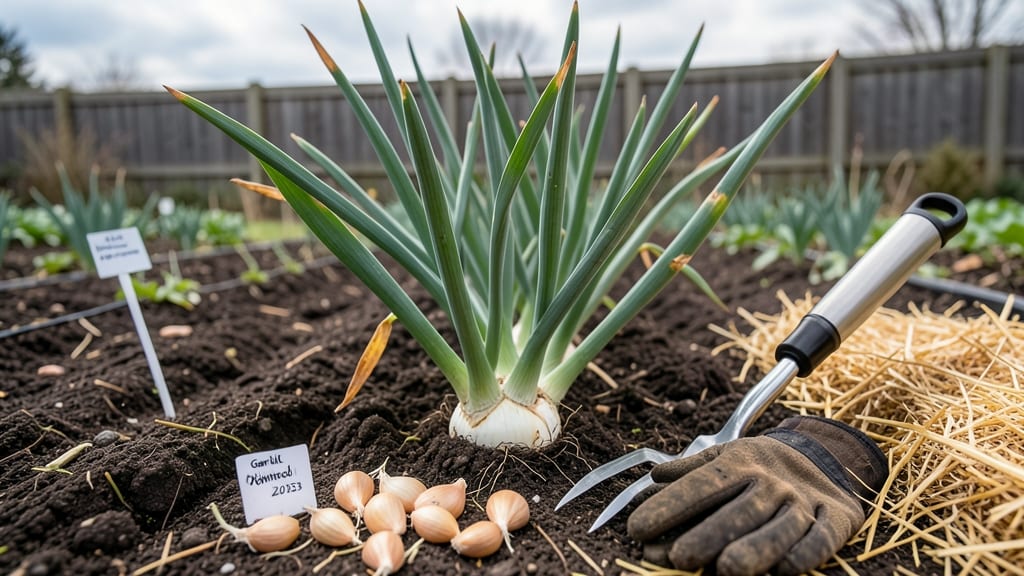
Planting garlic in Zone 5a at the wrong time could mean the difference between a thriving harvest and wasted cloves rotting in the soil. The key isn't just picking a fall month—it's understanding when your soil hits that perfect 35-50°F window for root growth before winter sets in.
Most gardeners in Zone 5a know fall planting is ideal, but timing matters more than you might think. If you plant too early, your garlic may sprout and get hit by frost before establishing strong roots.
Too late, and it won't have enough time to develop before winter dormancy. The 6-week window between mid-October and early November is your sweet spot.
Why does this matter? Because garlic needs cold stratification to form bulbs, and Zone 5a's climate gives you just the right conditions when you nail the timing.
I'll show you exactly how to read your soil's temperature cues and adjust for hardneck vs. softneck varieties—so you can avoid common mistakes that lead to weak harvests.
Whether you're a first-time grower or a seasoned gardener, getting this right means bigger, healthier bulbs come summer. Let's break down the science behind the perfect planting window and how to prepare your soil for success—because in Zone 5a, timing isn't just important, it's everything.
Zone 5A garlic planting timeline: exact months and soil temperature rules
Planting garlic in Zone 5A requires precise timing to ensure strong root development before winter dormancy. The ideal planting window spans 6-8 weeks before the ground freezes, typically between mid-October and early November.
This timing allows cloves to establish roots but delays top growth until spring, protecting them from harsh winter conditions.
Garlic thrives when soil temperatures hover between 35°F and 50°F at planting. Cooler soils (40°F) encourage root growth without triggering premature sprouting. Use a soil thermometer to verify—planting too early in warm soil can cause cloves to rot before cold weather sets in.
Here’s how to align your planting with Zone 5A’s last frost date (typically November 15): Aim to plant 4-6 weeks before the first hard freeze. For example, if your area freezes on November 15, plant between October 15 and October 30.
For gardeners in Zone 5A’s cooler microclimates (e.g., higher elevations), extend the window slightly later—early November—since soils stay warmer longer. Conversely, in warmer microclimates, plant by mid-October to avoid premature sprouting.
| Stage | Action | Soil Temp (°F) | Zone 5A Window |
|---|---|---|---|
| Prep Soil | Add compost; test pH (6.0–7.0) | 60–70°F | September |
| Plant Cloves | 4" deep, 6" apart; pointy end up | 35–50°F | Mid-October–Early November |
| Overwinter | Mulch 2–3" with straw | Below freezing | November–March |
| Spring Growth | Remove mulch; fertilize lightly | 40–50°F | April–May |
| Harvest | When 50% lower leaves brown | 60–75°F | July–August |
Garlic planted too late (after November 1) may not develop strong roots before winter, while planting too early (before October 1) risks cloves sprouting prematurely. Use local frost dates as your guide—check the USDA Plant Hardiness Zone Map for your exact location if unsure.
Pro tip: If your soil stays warmer than 50°F in late October, delay planting until temperatures drop naturally. A light frost (28–32°F) signals it’s safe to plant—this chills the soil just enough for root initiation without damaging cloves.
For Zone 5A gardeners, success hinges on balancing soil temperature and frost timing. Planting in the 6-week window before freeze ensures garlic bulbs have 4–6 weeks of root growth before winter dormancy, setting the stage for a large, flavorful harvest the following summer.
If you miss the fall window, spring planting is possible but yields smaller bulbs. Plant hardneck varieties in late winter (February) for a summer harvest, though bulbs won’t store as long. Softneck varieties can handle spring planting better but still prefer fall.
Remember: Garlic’s bulb size correlates directly with root development time. The longer roots grow before winter, the larger your harvest. In Zone 5A, this means prioritizing fall planting over spring—even if it
How to adjust planting time for hardneck vs softneck garlic varieties in Zone 5A
Not all garlic is created equal in Zone 5A—hardneck and softneck varieties have different cold requirements and planting windows. I’ve learned the hard way that planting softneck too early can lead to rot, while hardneck needs that winter chill to form those prized scapes.
Let’s break down the timing differences and how to optimize each type for your climate.
For hardneck garlic, aim to plant 6-8 weeks before the ground freezes—typically mid-October to early November in Zone 5A. These varieties require cold stratification (40-50°F soil temps) to develop their signature hard necks and flavorful cloves.
Think of it as a winter nap that wakes up their growth hormones in spring.
Softneck garlic, on the other hand, is more flexible. You can plant it 4-6 weeks before freezing (late October to December) or even in early spring (March-April) if you’re in a milder microclimate. Softnecks store longer and don’t need cold stratification, making them ideal for gardeners who miss the fall window or want a second harvest.
| Variety | Ideal Planting Window | Cold Requirements | Zone 5A Notes |
|---|---|---|---|
| Hardneck | Mid-October to early November | 40-50°F soil temps for 6-8 weeks | Best for scapes and hardnecks; plant early for larger bulbs |
| Softneck | Late October to December OR March-April | No cold stratification needed | More forgiving; great for storage and late harvests |
Pro tip: Use row covers to extend your planting window by 2-3 weeks if frost threatens early. I’ve successfully planted hardneck garlic in December under floating row covers, and the bulbs still formed beautifully.
Just monitor soil temps—if they dip below 35°F, cover the cloves with straw or mulch to insulate them.
If you’re new to garlic growing, start with hardneck varieties like Music or German White—they’re the most rewarding for Zone 5A gardeners. For softnecks, Silverskin or Artichoke types are excellent choices if you want to experiment with spring planting or late-fall harvests.
Remember, the key to success is soil temperature, not calendar dates. Use a soil thermometer to confirm temps are between 35-50°F before planting. This small investment will save you from wasted cloves and weak growth.