
Plants
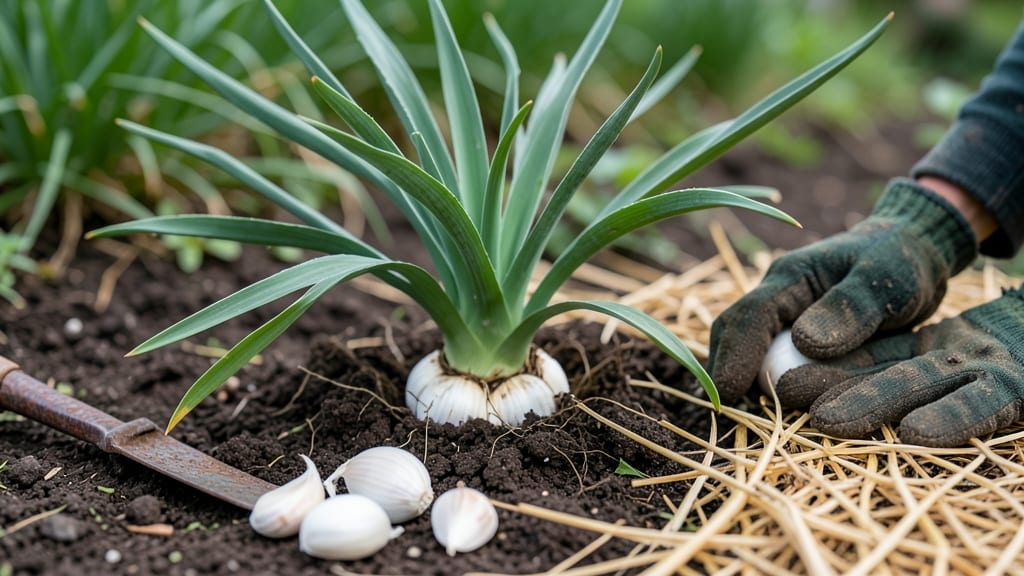
To grow plump, flavorful 🧄 garlic in Tennessee, timing your planting is everything—and getting it wrong could mean tiny bulbs or no harvest at all.
The sweet spot for Tennessee gardeners in Zones 6a-8a is October through November, when soil temps dip to 40–50°F and the ground stays workable before winter sets in.
But here’s the catch: planting too early lets garlic grow before winter, while waiting too long risks frost damage before roots establish.
I’ll break down the exact window for your zone, plus how to adjust for early or late frosts—so you can plant with confidence and avoid common mistakes that sabotage yields.
Why does this matter? Because garlic planted at the right time in Tennessee’s climate doesn’t just survive winter—it thrives, producing bulbs that rival store-bought (or even beat them).
You’ll learn how to prep your soil, choose the best varieties for your area, and spot the signs that your garlic is on track for a bountiful harvest in late June or July.
Let’s cut to the chase: with these simple steps, you’ll be planting garlic like a pro—no guesswork, just big, bold cloves ready for roasting, braiding, or sharing with neighbors. Ready to dig in?
Optimal planting windows for Tennessee garlic (Zone 7a-7b) based on moon phases and soil temps
For Tennessee gardeners in Hardiness Zones 7a-7b, the perfect garlic planting window is between mid-October and early November, but timing depends on soil temperatures and moon phases for best results.
The goal is to plant 4–6 weeks before the first hard frost (typically mid-October), ensuring roots establish before winter dormancy.
Garlic thrives when soil temps drop to 40–50°F—ideal for root growth before freezing. In Zone 7a (e.g., Nashville), aim for October 1–15, while Zone 7b (e.g., Chattanooga) can extend to October 15–30.
Planting too early (e.g., September) risks premature sprouting, and planting too late (e.g., December) may leave roots vulnerable to frost damage.
Moon phases also play a role: Root crops like garlic benefit from planting during the waning moon (after the full moon) for deeper root development. Check a lunar planting calendar—Tennessee’s October full moon (usually October 26) marks the last ideal window for fall planting.
Hardneck varieties (e.g., ‘Music’ or ‘German Red’) prefer earlier planting (October) for larger bulbs, while softneck varieties (e.g., ‘Silverskin’) tolerate later planting (November) but may yield smaller bulbs. Adjust based on your frost dates—use the USDA Plant Hardiness Map to confirm your local first-frost date.
| Factor | Hardneck Varieties | Softneck Varieties |
|---|---|---|
| Best Planting Month | October (early) | November (late) |
| Soil Temp Threshold | 40–50°F | 40–50°F |
| Moon Phase Preference | Waning moon | Waning moon |
| Frost Risk | High (plant early) | Moderate (plant late) |
| Bulb Size Potential | Large (best for storage) | Medium (best for braiding) |
Spring planting is possible but risky in Tennessee—only attempt it in February if you miss the fall window. Spring-planted garlic may produce smaller bulbs due to shorter growing seasons. For Zone 7a-7b, prioritize fall planting for the best harvests.
Pro tip: Use a soil thermometer to confirm temps before planting. If soil is warmer than 50°F, wait 1–2 weeks to avoid premature sprouting. Mulch with straw or leaves after planting to insulate roots during winter fluctuations.
Garlic planted at the right time in Tennessee can yield bulbs 3x larger than off-timing attempts. The key is balancing soil temps, moon phases, and frost dates—master these, and you’ll harvest plump, flavorful garlic by late June or July.
For Zone 7a gardeners (e.g., Knoxville), aim for October 1–15; for Zone 7b (e.g., Memphis), extend to October 15–30. Adjust based on your local frost data—check the Old Farmer’s Almanac for Tennessee-specific forecasts.
🌱
How to time your garlic planting for maximum bulb size in Tennessee’s climate
Tennessee’s microclimates—from Nashville’s urban heat islands to Chattanooga’s cooler valleys—mean your garlic’s success hinges on localized timing. The key is planting 4–6 weeks before the first hard frost, when soil temps hit 40–50°F.
In Zone 7a, aim for mid-October, while Zone 7b gardeners should plant by early November to avoid winter kill.
For spring planting (a riskier bet in TN), wait until late February when soil warms to 50°F. But here’s the catch: spring-planted garlic often yields smaller bulbs because it lacks the cold vernalization period hardneck varieties need for proper scape formation.
Don’t overlook soil drainage, especially in TN’s clay-heavy areas. Amend with sand or perlite if water pools after rain. A quick test: Dig a hole, fill it with water, and time how long it drains—more than 6 hours means you need to fix drainage before planting.
For maximum bulb size, focus on root development before winter. Use a balanced fertilizer (10-10-10) at planting, then skip fertilizing until spring. Over-fertilizing in fall can encourage top growth at the expense of root strength, leaving your garlic vulnerable to winter heave.
Pro tip: Plant hardneck varieties like ‘Music’ or ‘Chesnok Red’ for larger cloves and scape production (those curly garlic stems are edible!). Softnecks like ‘Silverskin’ store longer but require warmer winters—ideal for Zone 7b’s milder climates.
Finally, mark your calendar for late June–July harvest, when lower leaves brown and stems flatten. But here’s the kicker: If you live in East TN’s higher elevations, harvest 2 weeks earlier—cooler temps slow bulb maturation.