
Plants
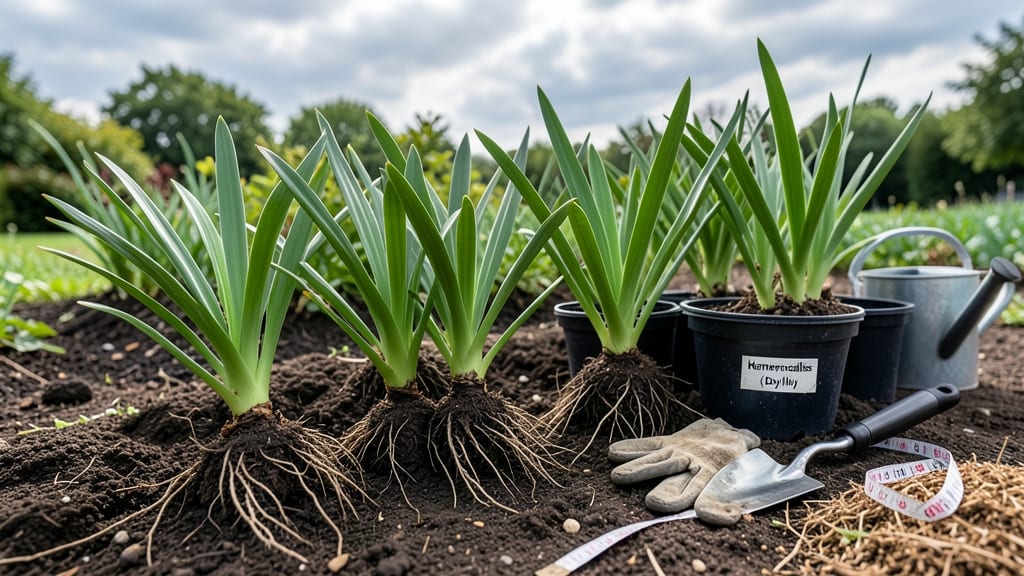
Planting your daylily bulbs at the wrong time in Zone 9 could mean weaker roots, fewer blooms, or even inviting pests into your garden—so timing matters more than you might think.
Unlike other plants, daylilies 🌸 don’t just need the right month; they thrive when the soil hits that sweet spot of 60-70°F, signaling it’s time to grow.
If you’ve ever wondered why some gardeners swear by spring planting while others prefer fall, the answer lies in your local microclimate.
In Zone 9, late winter to early spring—February through March—is typically the goldilocks window, but soil temperature can shift faster than a desert breeze, making adjustments key.
I’ll break down exactly how to time it right, from reading soil cues to avoiding common pitfalls that trip up even experienced gardeners.
By the end, you’ll know whether your daylilies are better off snuggling into cooler soil in fall or racing toward spring’s warmth—and how to prep them for success either way.
Ready to give your daylilies the best possible start? Let’s dive into the science and secrets that turn good planting into great blooms. Your garden’s next star might just be waiting for the right moment to shine.
Zone 9 daylily planting timeline: soil temperature rules over calendar dates
In Zone 9, the soil temperature—not the calendar—determines the best time to plant daylily bulbs. Unlike cooler zones, Zone 9’s warm winters mean daylilies can establish roots year-round, but 60-70°F soil is the golden window for planting.
This range triggers rapid root growth while avoiding summer’s heat stress or winter’s dormancy triggers.
Most gardeners in Southern California, Arizona, and Florida plant daylilies in late winter to early spring (February–March), but microclimates shift these dates. Coastal areas like San Diego may plant as early as January, while inland Phoenix waits until April to avoid triple-digit heat.
Daylilies are perennials, meaning they thrive when planted during their natural active growth phase. In Zone 9, this aligns with spring rains (March–May) and fall’s cooling trend (September–October). However, fall planting often yields stronger first-year blooms because cooler soil reduces transplant shock.
| Season | Ideal Planting Months | Soil Temp Range | Key Considerations |
|---|---|---|---|
| Spring | February–March | 60–70°F | Aligns with spring rains; avoid late bloomers if planting after April. |
| Fall | September–October | 65–75°F | Cooler soil reduces transplant shock; ideal for drought-prone areas. |
| Summer | Avoid (June–August) | Above 80°F | Risk of heat stress; bulbs may rot before rooting. |
| Winter | January (coastal only) | 55–65°F | Limited to mild microclimates; monitor for late frosts. |
For container gardening in Zone 9, adjust timing by 2–4 weeks earlier than in-ground planting. Pots heat up faster, so aim for January–February to give roots time to establish before summer’s intensity. Use well-draining mixes with perlite or sand to prevent root rot in the 90°F+ soil.
Regional microclimates demand flexibility. In desert zones like Yuma, Arizona, plant daylilies in late fall (November) to capitalize on winter rains. Conversely, humid Florida gardens benefit from spring planting (March) to avoid fungal diseases that thrive in summer’s high humidity.
Pro tip: If you miss the ideal window, soak bulbs in water for 24 hours before planting to jumpstart root growth. This trick works best for spring or fall plantings when soil temps hover around 60°F.
Pair this with a mulch layer (2–3 inches of straw) to retain moisture and moderate soil temps.
Daylilies in Zone 9 reward patience—plants established in optimal soil temps (60–70°F) often bloom within 60–90 days and return stronger each year. Avoid the temptation to plant in summer’s heat; even heat-tolerant varieties like 'Stella de Oro' struggle when soil exceeds 80°F.
My Zone 9 garden thrives when I plant daylilies in late February, timing it with worm activity (a natural soil temp indicator). If worms are active and soil feels warm to the touch, it’s time to dig. This method eliminates guesswork and ensures vibrant blooms by May.
Zone 9 daylily planting timeline: soil temperature rules over calendar dates
In Zone 9, daylily bulbs don’t follow a rigid calendar—they respond to soil temperature. The magic window opens when soil reaches 60-70°F, signaling roots can safely establish.
This typically lands in late February to early April, but your exact timing depends on local microclimates like coastal vs. desert areas.
Southern California gardeners often plant as early as February, while Arizona’s hotter inland zones may wait until March. Florida’s humid climate can even extend the window into early April. The key is avoiding extreme heat or drought stress during root development.
| Zone 9 Region | Ideal Planting Window | Soil Temp Trigger | Microclimate Notes |
|---|---|---|---|
| Southern California | Late Feb - Early Mar | 60-65°F | Coastal areas: plant earlier; inland deserts: delay until soil warms |
| Arizona Low Desert | Mid-Mar - Early Apr | 65-70°F | Wait for afternoon temps above 75°F to avoid transplant shock |
| Florida (Central) | Early Mar - Mid-Apr | 62-68°F | Humidity delays soil warming; monitor for fungal risks |
Fall planting is possible in Zone 9, but it requires careful timing. Aim for September to early October when soil cools to 65-70°F—this gives roots time to establish before winter rains arrive. The trade-off? Fall-planted daylilies may bloom 6-8 weeks later than spring counterparts.
Pro tip: Use a soil thermometer ($10 at garden centers) to confirm readiness. If your soil hasn’t warmed enough by April 15, hold off—daylilies planted in hot soil (>75°F) risk transplant shock and pest attraction. Patience here means stronger plants and longer bloom seasons.
For 'Stella de Oro' varieties, which thrive in heat, you can push the envelope slightly—plant as late as mid-April—but always mulch heavily to retain moisture. The goal? Give roots 4-6 weeks of stable soil temps before summer’s peak heat arrives.