
Plants
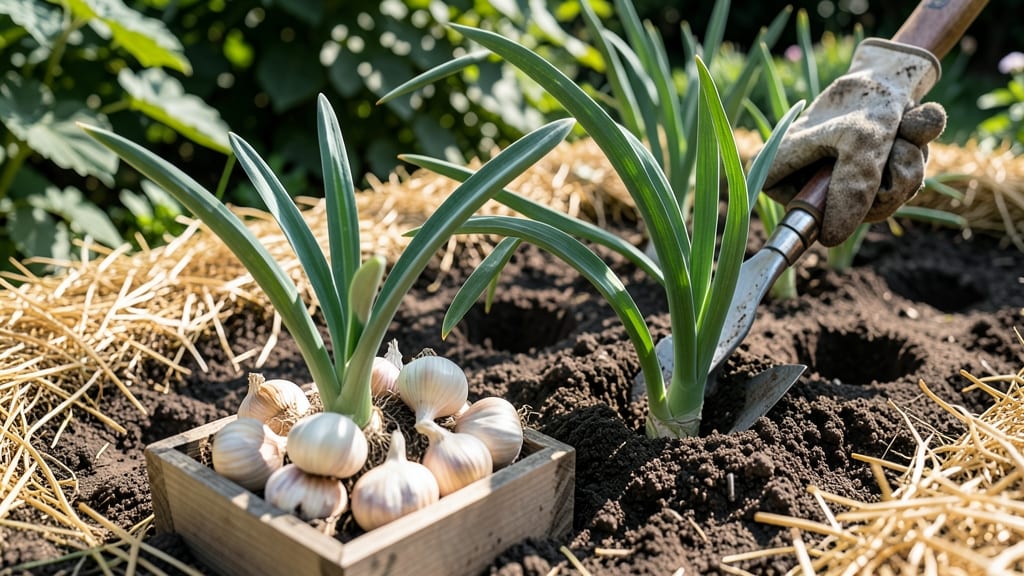
Planting garlic in Denver at the wrong time can mean the difference between a bountiful harvest and wasted cloves—so timing is everything.
The key to growing hardneck garlic 🧄 here lies in understanding Denver’s 5b climate, where chilly nights and sunny days create the perfect conditions when you get it right.
Most gardeners in the area know fall is the time to plant, but exactly when? Between October and November, you’ll give your garlic the best chance to establish roots before winter sets in. Too early, and your cloves may rot; too late, and they won’t survive the first frost.
Let’s break down the exact window and what you need to do to set your garlic up for success.
Denver’s elevation and microclimates add another layer to the equation—urban areas might stay warmer than suburban spots, affecting when you should plant. Whether you’re a first-timer or a seasoned grower, this guide will help you avoid common mistakes and maximize your yield.
From soil prep to frost protection, I’ll walk you through every step so you can confidently plant your garlic this fall. By the time spring rolls around, you’ll be ready for a harvest that’ll make your neighbors jealous.
Best fall planting window for Denver garlic success
Denver’s USDA Zone 5b climate means garlic thrives here, but timing is critical. The sweet spot is planting 4-6 weeks before ground freezes, typically between mid-October and early November.
This window ensures cloves establish roots before winter dormancy. Hardneck varieties—like 'German White' or 'Silverskin'—are ideal for Denver’s cold winters, while softnecks like 'Artichoke' may struggle with our freeze-thaw cycles.
Denver’s elevation (5,280 ft) and microclimates (urban heat islands vs. suburban chill) can shift this window by 1-2 weeks. Check your local frost dates—average first frost hits around October 15, but urban areas may stay warmer.
Plant too early (September), and cloves rot; too late (December), and roots won’t develop before frost.
For hardneck garlic, aim for a soil temperature of 40-50°F at planting. Use a soil thermometer to confirm—Denver’s nights cool quickly in October. If soil is above 50°F, wait 1-2 weeks. Softneck varieties can tolerate slightly warmer soil but still need roots to establish before winter.
| Planting Window | Soil Temp | Variety | Notes |
|---|---|---|---|
| Mid-October | 45-50°F | Hardneck | Best for Denver; forms scapes |
| Early November | 40-45°F | Softneck | Riskier; needs warmer soil |
| Late November | Below 40°F | Any | Emergency planting; use mulch |
Denver’s urban vs. suburban divide matters. Downtown areas (like RiNo) may stay 5-10°F warmer than Arvada or Lakewood, extending your planting window by 1-2 weeks.
If you’re unsure, plant test cloves in late October—if they sprout by November 1, you’re golden. For suburban gardeners, early November is safer.
Hardneck garlic dominates Denver gardens because it adapts to our cold winters and produces scape shoots (edible stems) in summer. Softnecks, while storable longer, often fail in Denver’s freeze-thaw cycles. If you love braiding garlic for storage, softnecks might work—but hardnecks are the reliable choice for our climate.
Pro tip: Buy organic, untreated garlic cloves from local nurseries like Denver Urban Gardens or High Altitude Growers. Avoid supermarket garlic—it’s often treated to prevent sprouting and won’t grow well. Break bulbs into individual cloves (keep the papery skin on) and plant the largest cloves for bigger bulbs.
Denver’s alkaline soil (pH 7.4-8.4) can stress garlic, so amend soil with sulfur (aim for pH 6.0-7.0) and compost before planting. Work in 2-3 inches of compost and 1/4 cup of 5-10-10 fertilizer per 10 sq ft at planting. This gives roots a nutrient boost before winter sets in.
If you’re planting in containers or raised beds, use a well-draining mix with 50% compost and 30% perlite. Containers warm up faster in spring, so they’re great for urban gardeners with limited space. Just ensure pots are at least 6 inches deep—garlic needs room for bulb development.
Remember: Garlic planted in fall = spring harvest. In Denver, bulbs mature by mid-July, just in time for summer cooking. Mark your calendar for October 15-November 1 and set aside a sunny spot—your future harvest depends on it! 🌱
Best fall planting window for Denver garlic success
Denver’s USDA Zone 5b climate creates a narrow but critical 4-6 week window for planting garlic—typically between mid-October and early November. This timing ensures cloves establish roots before the ground freezes, but don’t grow too much before winter dormancy.
Hardneck varieties, Denver’s top choice, need this precise window to develop large bulbs with scapes.
Your last frost date (around October 15) marks the outer limit. Planting too early (before soil temps drop below 50°F) risks rot, while planting after November 15 may leave cloves vulnerable to winter kill. Urban Denver areas often freeze 1-2 weeks earlier than suburban zones—check your microclimate!
| Planting Factor | Denver Specification |
|---|---|
| Ideal Planting Window | Mid-October to early November |
| Soil Temperature Threshold | 40-50°F (4-10°C) |
| Hardneck vs. Softneck | Hardneck preferred (better for altitude) |
| Urban Adjustment | Plant 1-2 weeks earlier than suburbs |
| Late Fall Backup | December (with cold frames) |
Denver’s elevation (5,280 ft) accelerates cold snaps, so monitor soil temperatures with a probe—aim for 40-50°F at planting depth (2-3 inches). Hardneck varieties like ‘German White’ or ‘Silverskin’ thrive here, while softnecks (like ‘Artichoke’) may struggle with our shorter growing season.
For late falls, consider ‘Creole’, which tolerates cooler soils.
Pro tip: Use a planting calendar that accounts for Denver’s 165 frost-free days. Count backward from your first frost date (April 15) to determine your ideal planting window. For example, planting on November 1 gives you 160 days of growth—perfect for hardneck development.
If you’re unsure about your exact microclimate, test your soil with a thermometer for 3 days. The average reading will confirm whether you’re in the optimal 40-50°F range. Remember, garlic planted in well-draining, loose soil at this temperature will establish roots in 2-3 weeks before winter dormancy sets in.
For urban gardeners with limited space, prioritize container planting in deep pots (12+ inches) and use black plastic mulch to extend the season by 1-2 weeks. This small adjustment can make the difference between a thriving crop and a failed harvest.