
Planting
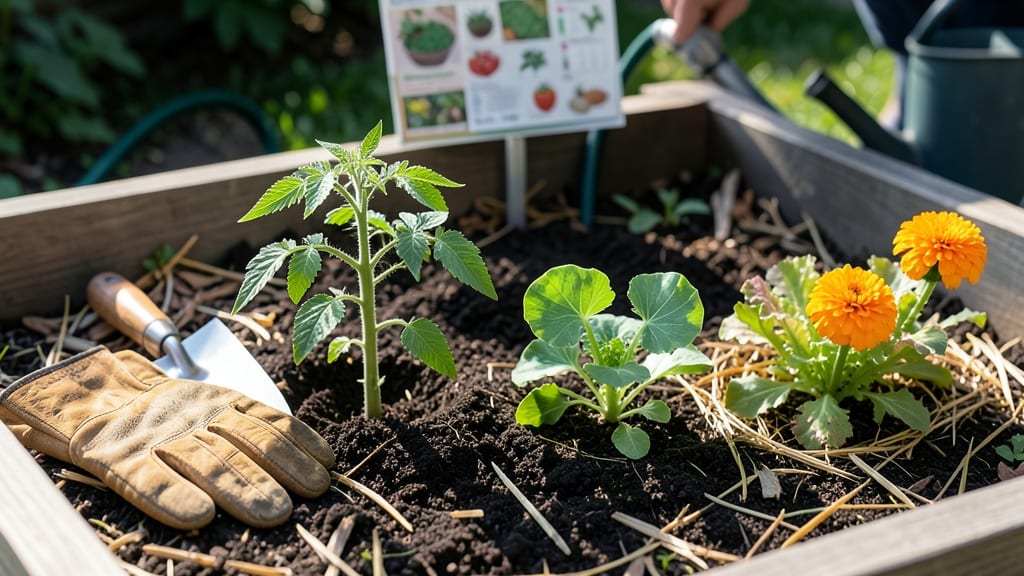
Planting a garden in Tennessee at the wrong time can mean the difference between a lush, productive harvest and a sad pile of wilted seedlings. With its varied climate—from the cool Appalachian highlands to the steamy Mississippi Delta—getting the timing right is everything.
Most Tennessee gardeners assume spring is the only window, but fall planting often delivers better results thanks to milder temperatures and fewer pests. Whether you're in East Tennessee's USDA Zone 6 or West Tennessee's Zone 7**, understanding your region's frost dates and soil conditions is the key to success.
I've spent years perfecting my Tennessee garden schedule, and what I'm about to share will help you avoid common mistakes like planting tomatoes too early in West Tennessee's heat or missing the fall window for cool-season crops.
Let's dive into the exact planting calendar that works for your corner of the state.
You'll discover when to start seeds indoors, which crops thrive in Tennessee's short growing season, and how to prep your soil for maximum growth. Ready to transform your backyard into a thriving 🌱 garden oasis? Let's get started.
Tennessee’s spring planting timeline by region: when to plant for maximum yield
Tennessee’s spring planting window varies dramatically by region—what works in the cool Appalachian foothills of East Tennessee can fail in the warmer Delta plains of West Tennessee.
The key is aligning your planting with soil temperatures and last frost dates, which shift by as much as 6 weeks across the state.
For most Tennessee gardeners, the ideal spring planting window opens in late March to early April in West Tennessee, while East Tennessee gardeners should wait until mid-April to early May to avoid frost damage. Middle Tennessee falls somewhere in between, typically early to mid-April.
Here’s the critical rule: Wait until soil temperatures consistently reach 50°F (10°C) for vegetables and 60°F (15°C) for warm-season crops like tomatoes and peppers. A soil thermometer is your best friend—planting too early in cold soil stunts root growth and invites disease.
East Tennessee’s higher elevations (like the Smoky Mountains) often experience late spring frosts even into May, while West Tennessee’s lower elevations near Memphis can safely plant tomatoes and peppers by early April. The Middle Cumberlands usually align with Nashville’s April 15 average last frost date.
Your microclimate matters more than your ZIP code. A backyard in Chattanooga’s valley may warm up faster than one on Lookout Mountain’s slopes, just 20 miles away. Observe your own yard’s frost patterns for 2-3 years to refine your timing.
🌱 Tennessee Spring Planting by Region
| Region | Last Frost Date | Ideal Planting Window | Best Early Crops | Warm-Season Ready |
|---|---|---|---|---|
| East TN (USDA 6b-7a) | April 15–May 1 | Mid-April–early May | Peas, spinach, lettuce | Late May–early June |
| Middle TN (USDA 7a-7b) | March 31–April 15 | Early–mid April | Radishes, kale, onions | April 30–May 15 |
| West TN (USDA 7b-8a) | March 15–April 1 | Late March–early April | Turnips, collards, cabbage | April 1–April 15 |
For cool-season crops like lettuce and broccoli, aim to plant 6–8 weeks before your last frost date. In East Tennessee, that means late February to early March under row covers, while West Tennessee gardeners can start as early as late January in protected beds.
Warm-season crops—tomatoes, peppers, and squash—require soil temps above 60°F (15°C). In West Tennessee, you can plant these by April 15, but East Tennessee gardeners should wait until after May 1 to avoid stunted growth.
Use black plastic mulch to warm soil faster if you’re eager to plant early.
Pro tip: Direct-sow heat-loving crops like beans and cucumbers after May 1 statewide, as they handle transplant shock poorly. Start tomato and pepper seedlings indoors in February (West TN) or March (East TN) for a head start.
Always check the Tennessee State University Extension’s frost date maps for your specific county, as local variations can be dramatic. A 5-minute soil test before planting ensures you’re not working with cold, compacted earth that roots will struggle to penetrate.
Fall planting secrets for Tennessee gardens: why it’s often better than spring
Fall planting often outperforms spring in Tennessee because cooler soil temperatures and fewer pests create ideal conditions for many crops. Unlike spring, where unpredictable late frosts can damage young plants, fall offers a gentler growing window that extends harvests well into winter.
In East Tennessee, where cooler mountain air lingers, the best window runs from late July to early September. Meanwhile, West Tennessee’s warmer climate allows planting until mid-September, giving gardeners more flexibility. These timing differences align with USDA zones 6-8 across the state.
Cool-season crops like kale, broccoli, and carrots thrive when planted in fall, often producing sweeter flavors after frost. Even heat-loving plants like tomatoes and peppers benefit from fall starts when soil stays warm but air cools, reducing stress.
To prepare your soil for fall planting, focus on adding compost and mulching to retain moisture. Test your soil’s pH (aim for 6.0-7.0) and amend with organic matter to improve drainage—a critical step in Tennessee’s clay-heavy soils.
Here’s why fall planting wins in Tennessee: cooler soil, fewer pests, and extended harvests with minimal effort. Pro tip: Use row covers in late fall to protect tender crops from unexpected frosts while still capturing sunlight.
For East Tennessee, prioritize planting leafy greens and root vegetables by August 15 to ensure harvests before hard frosts. In West Tennessee, you can push planting until September 15 for crops like collards and turnips, which handle mild winters well.
Start small with a test patch of cool-season crops this fall—you’ll likely discover why many Tennessee gardeners prefer fall planting over spring. The results speak for themselves: healthier plants, fewer pests, and a longer harvest season with minimal extra work. 🌿