
Plants
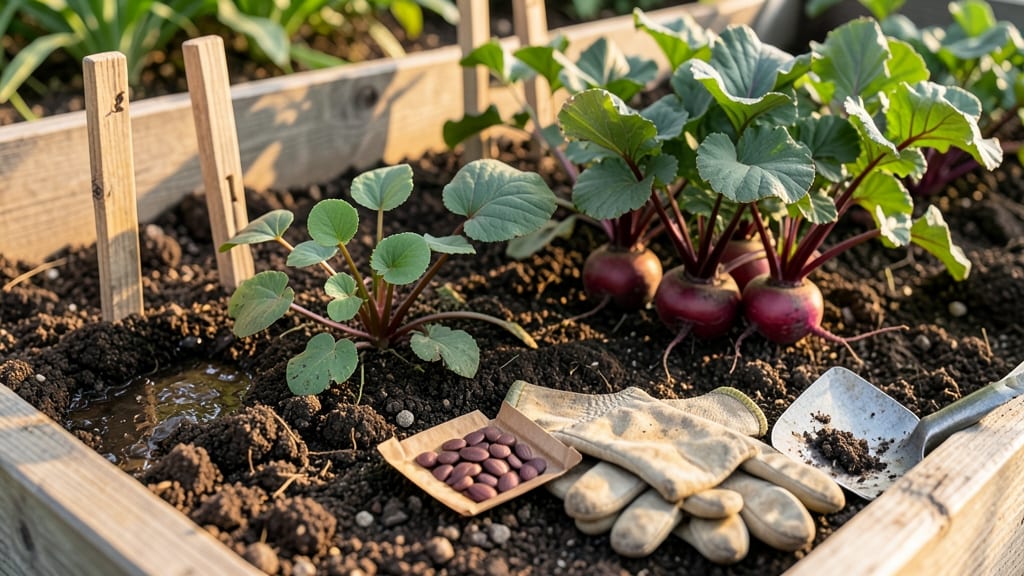
If you’ve ever pulled a bitter, woody beet 🍠 from your New Jersey garden, you know timing is everything—and planting too early or late can ruin the harvest.
The key to sweet, tender beets lies in understanding NJ’s unique climate, where spring’s unpredictable frosts and fall’s early chills demand precise planting windows.
Most gardeners assume beets are a one-season crop, but in zones 6a-7b, you can actually grow them twice a year—spring and fall—with the right strategy.
I’ve tested the ideal planting dates over years in my own garden, and the difference between a crisp June harvest and a disappointing July failure comes down to soil temperature, frost risks, and variety selection.
In this guide, I’ll break down the exact March-April and September-October windows that work best for NJ, plus how to avoid bolting (that’s the bitter enemy of great beets).
Whether you’re a first-time gardener or a seasoned pro, these tips will help you grow beets that are sweeter, juicier, and ready to harvest at their peak.
Ready to stop guessing and start growing perfect beets? Let’s dive into the planting schedule that actually works for New Jersey’s climate—no more wasted seeds or disappointing harvests.
Best spring planting dates for beets in NJ (avoid bolting)
Timing your beet planting in New Jersey is all about beating the heat—literally. Beets are cool-season crops that bolt (flower prematurely) when daytime temperatures climb above 75°F. In NJ’s USDA zones 6a-7b, that means starting seeds early enough to harvest before summer’s peak arrives.
For most of NJ, the ideal spring planting window runs from mid-March to late April. This schedule lets you harvest tender roots by early summer before the soil heats up.
Coastal areas (like Cape May) can plant 2-3 weeks earlier, while inland zones (like Sussex County) should wait until soil temperatures stabilize above 45°F.
Here’s the golden rule: Plant when soil temps are 45-75°F and nights stay above 50°F. Use a soil thermometer to check—if it’s warmer than 70°F, switch to shade cloth or delay planting until fall.
Pro tip: Succession plant every 2 weeks from March through May. This staggered approach ensures a continuous harvest and minimizes bolting risks. For example, plant one batch on March 15, another on April 1, and a final one by April 15.
| Planting Stage | NJ Timeline | Key Conditions | Action Items |
|---|---|---|---|
| Early Spring | Mid-March | Soil: 45°F+ Air: Nights >50°F |
Sow seeds ½" deep, 1-2" apart |
| Mid-Spring | April 1-15 | Soil: 50-65°F Daylight: 12+ hours |
Thin seedlings to 3-4" apart |
| Late Spring | April 30-May 15 | Soil: 60-70°F Watch for bolting |
Harvest first batch; replant if needed |
| Harvest Window | June-July | Roots: 1-3" diameter Leaves: 4-6" tall |
Pull roots before they get woody |
If you’re in northern NJ (e.g., Bergen County), aim for March 20-April 10 to avoid late frosts. Southern NJ (like Atlantic City) can start as early as February 20, but cover seedlings with frost cloth if nights dip below 32°F.
For container gardening, use large pots (12"+ deep) and plant seeds 2 weeks earlier than in-ground. Containers warm up faster, so monitor soil temps closely and move pots to shadier spots if temps exceed 75°F.
One common mistake? Planting too densely. Beets need 3-4 inches of space to grow properly. If you skip thinning, you’ll end up with small, misshapen roots and poor airflow, which invites disease. Use scissors to snip unwanted seedlings at soil level—it’s gentler than pulling.
To extend your spring harvest, try shade cloth (30-50%) over plants once daytime temps hit 70°F. This trick buys you 2-3 extra weeks of growth before bolting sets in. Just remove the cloth on cooler days to prevent overheating.
Remember: Beets store well! Cure harvested roots in a dark, cool place (50-60°F) for 1-2 weeks before storing. This improves flavor and extends shelf life to 3-4 months in a root cellar.
Fall planting guide: how to grow sweeter beets in NJ’s cool weather
New Jersey’s fall season offers the perfect conditions for growing sweeter, more tender beets than spring. Cooler temperatures prevent bolting, and the soil retains moisture longer. But timing is critical—plant too late, and you’ll risk frost damage before harvest.
Here’s how to nail your fall beet planting schedule in NJ’s USDA zones 6a-7b.
Start sowing beet seeds in early September for a harvest before the first frost, typically around November 1. For a later harvest, extend planting until mid-October, but choose cold-hardy varieties like Detroit Dark Red or Golden to withstand light frosts.
Avoid planting after October 15, as roots won’t mature before winter sets in.
Sow seeds for early fall harvest. Ideal for varieties like Babybeat or Chioggia.
Beets germinate best in warm soil. Use a soil thermometer to confirm.
Thin to 3-4 inches apart when seedlings are 2 inches tall.
Aim for roots 1-3 inches wide before November 1.
Prepare your garden bed in late summer by amending the soil with compost or well-rotted manure to improve drainage and fertility. Beets prefer loamy soil with a pH of 6.0-7.0.
Avoid fresh manure, which can cause bolting. Mulch with straw or shredded leaves after planting to retain moisture and suppress weeds.
Extend your harvest by using row covers or low tunnels to protect plants from early frosts. These tools can push back the first frost by 2-3 weeks, giving you more time to enjoy fresh beets.
Just remember to remove covers during the day to prevent overheating, especially in October.
For a second fall crop, try succession planting every 2-3 weeks from early September until mid-October. This staggered approach ensures a continuous supply of beets without overwhelming your garden. Choose fast-maturing varieties like Babybeat or Early Wonder Tall Top for quicker harvests.
Harvest beets when roots reach 1-3 inches in diameter and before the first hard frost. Pull them gently from the soil, leaving the greens attached to prevent bleeding.
Store harvested beets in a cool, dark place for up to 2 weeks, or cook and freeze them for later use. With the right timing, your fall beet harvest will be the sweetest of the year!