
Plants
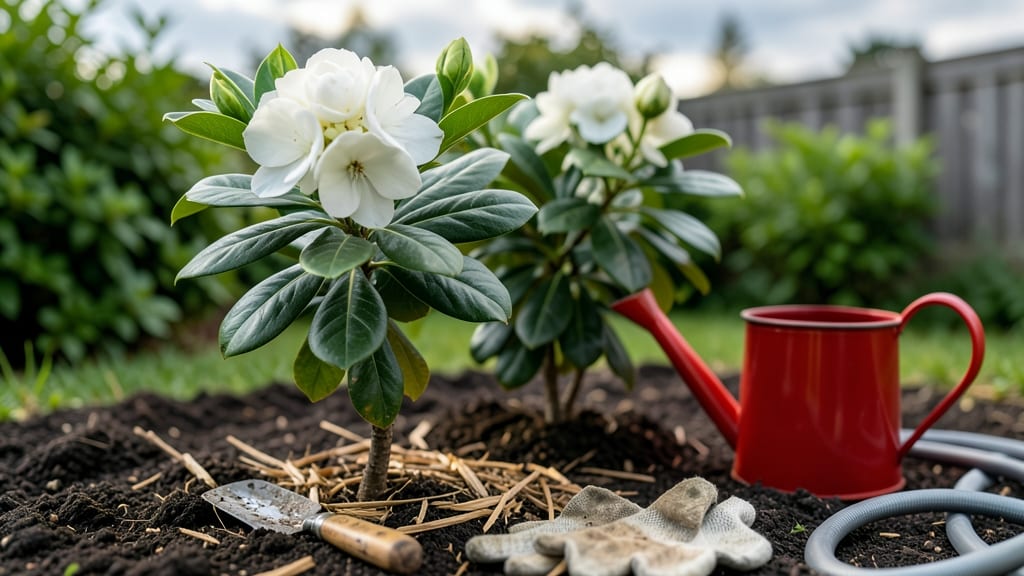
Planting gardenias in Texas isn’t just about timing—it’s about surviving the state’s brutal summers and unpredictable frosts. Whether you’re in North Texas or South Texas, getting the window wrong means your 🌸 could wilt before it even blooms.
The key is planting after the last frost (typically February–April for spring) or before the first chill (late September–October for fall). But here’s the catch: Texas’s heat zones demand different strategies—what works in Zone 8a might fail in Zone 10b.
I’ve tested the best methods to help your gardenias thrive, from soil prep to heat acclimation. Skip the guesswork and learn exactly when, where, and how to plant for zero-frost survival and year-round fragrance.
Ready to turn your yard into a Texas-sized gardenia paradise? Let’s dive into the heat-zone guide that’ll keep your plants happy—no matter the season.
Texas heat-Zone planting calendar for gardenias: avoid frost and heat stress
Texas spans three distinct climate zones for gardenias, each with its own frost-free window. North Texas (USDA Zone 8a) faces late frosts until February 15, while South Texas (Zone 10b) enjoys frost-free conditions year-round.
Central Texas (Zone 8b-9a) falls in between, with last frosts around March 1. Timing your planting to these zones ensures your gardenias establish roots before summer’s 100°F+ heat.
In North Texas, aim for March-April planting after the last frost. The soil should reach 60°F+—use a soil thermometer to confirm. For Central Texas, February-March is ideal, while South Texas gardeners can plant as early as January or even late fall (November-December) for cooler-season establishment.
Fall planting (September-October) is a hidden gem for Texas gardeners. Young gardenias planted in fall benefit from cooler temperatures and consistent moisture, giving roots time to anchor before summer’s heat. This method reduces transplant shock and boosts first-year blooms.
⚠️ CRITICAL: Never plant gardenias when soil temps exceed 85°F. High heat causes root burn and stunted growth. Wait until late afternoon shade tests show soil cooling below 80°F before transplanting.
| Texas Zone | Last Frost | Ideal Planting Window | Soil Temp Goal | Heat Acclimation Tip |
|---|---|---|---|---|
| North Texas (8a) | Feb 15 | March–April | 60°F+ | Hardening: 1 week in partial shade before full sun |
| Central Texas (8b-9a) | March 1 | February–March | 65°F+ | Mulch heavily to retain moisture during spring droughts |
| South Texas (10a-10b) | None | January or Sept–Oct | 70°F+ | Use shade cloth (30%) for first 2 weeks post-planting |
Texas’ humidity and heat demand extra prep. Before planting, amend clay soil with pine bark fines (for drainage) and sulfur to lower pH to 5.0-6.0. In sandy soils, mix in peat moss to retain moisture. Test your soil’s pH with a digital meter—gardenias wilt without acidic soil.
For container planting, use 1-gallon pots per year of maturity (e.g., 3-gallon pot for a 3-year-old shrub). Containers dry out 3x faster in Texas heat, so add hydrogel crystals to the soil mix. Place pots on elevated trays to improve drainage and prevent root rot.
After planting, water deeply (1-2 gallons per plant) to settle soil and eliminate air pockets. Mulch with 3 inches of pine straw to block weeds, retain moisture, and keep roots 10°F cooler during summer. Reapply mulch annually—it breaks down quickly in Texas’ heat.
Monitor your gardenias for heat stress signs: drooping leaves, yellowing edges, or brown leaf tips. These indicate transplant shock or underwatering. Move young plants to dappled shade for 2-3 weeks if temps exceed 95°F during the day.
🌱 Pro tip: Plant gardenias near hydrangeas or azaleas—they share the same acidic soil needs and shade preferences, creating a low-maintenance Texas-friendly shrub border.
Texas heat-Zone planting calendar for gardenias: avoid frost and heat stress
Texas spans three distinct climate zones for gardenia planting, each with critical frost-free dates that determine success.
In North Texas (Zone 8a), wait until mid-April after the last frost (typically February 15), while Central Texas (Zone 8b-9a) can plant as early as late February. South Texas (Zone 9b-10b) enjoys a longer window, starting in January with minimal frost risk.
For fall planting, aim for September-October to give roots time to establish before winter. In North Texas, stop by November 15 to avoid early frosts, while South Texas can extend planting until December.
Soil temperatures below 60°F slow root growth, so avoid planting when nights dip below this threshold.
🌱
| Texas Zone | Last Frost Date | Ideal Planting Window | Fall Planting Deadline | Soil Temp Requirement |
|---|---|---|---|---|
| North Texas (8a) | February 15 | Mid-April to May 15 | November 15 | ≥60°F |
| Central Texas (8b-9a) | January 31 | Late February to April | December 1 | ≥60°F |
| South Texas (9b-10b) | January 15 | January to March | December 15 | ≥65°F |
Use local frost maps like those from the National Weather Service to pinpoint your exact last frost date. In East Texas, for example, frost lingers until March 1, while West Texas may see frosts as late as March 15.
Planting 2-3 weeks after your area’s last frost date ensures root establishment before summer’s heat peaks.
Acclimate young gardenias to Texas heat gradually by hardening off container-grown plants for 7-10 days before transplanting. Place them in partial shade during the hottest part of the day and gradually increase sun exposure. This heat acclimation reduces transplant shock and improves survival rates in 100°F+ temperatures.
🌡️
If you miss the spring planting window, don’t despair—fall planting is equally effective. Gardenias planted in September often bloom the following spring with proper care. Just ensure the soil remains moist but not soggy and mulch heavily to protect roots from winter temperature swings in North Texas.