
Plants
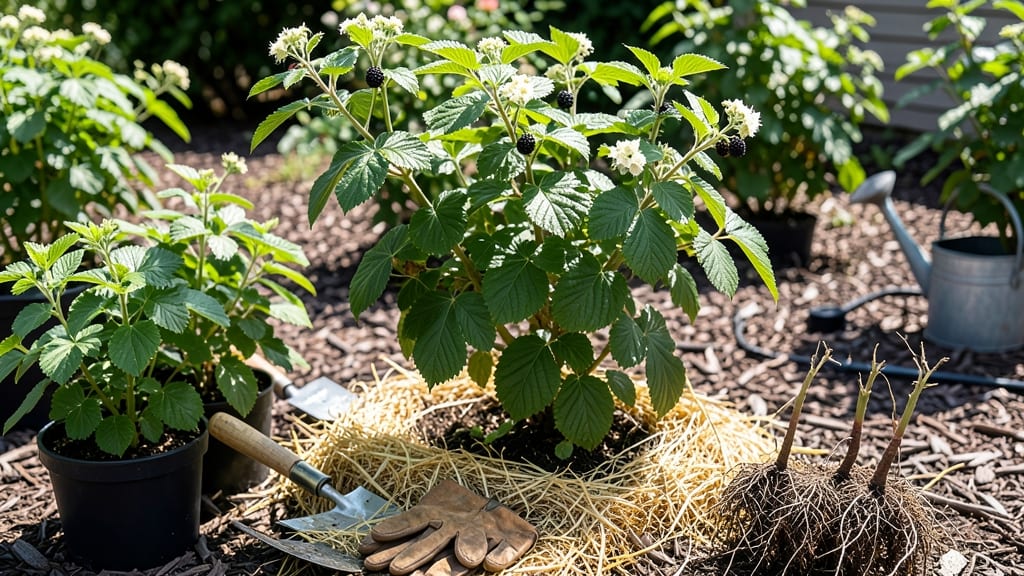
Planting blackberries in Central Texas at the wrong time can mean struggling with frost damage or weak root establishment—here’s the exact window to maximize survival and berry yield.
If you’ve ever watched your 🫐 plants wilt after a late frost or fail to thrive in Central Texas’ intense heat, you know timing is everything.
The key isn’t just planting in spring—it’s choosing the precise 2-3 week window when your blackberries get a fighting chance against both cold snaps and summer scorching.
In USDA Zones 8a-9a, the best time to plant blackberries is late winter to early spring, but not just any February or March day.
I’ll break down the exact months that give your plants the strongest start, plus how to prep your soil and pick varieties that handle Central Texas’ extremes.
Get this right, and you’ll be harvesting plump, sweet berries by summer. Get it wrong, and you might be starting over—so let’s make sure you nail it the first time.
Best planting months for blackberries in Central Texas (with frost risk breakdown)
Central Texas’s USDA Zones 8a-9a create a unique challenge for blackberry growers—late winters can still bring frost, while summers scorch even the hardiest plants.
The perfect planting window balances frost risk and root establishment, and for Central Texas, that’s late November through early December for bare-root plants or February through early March for potted varieties.
Why these months? Blackberries need 6-8 weeks of frost-free growth to establish roots before summer heat arrives. Planting in November-December lets roots develop through winter’s cooler months, while February-March planting gives them a head start before the April heatwave hits.
Both windows avoid the peak frost risk (typically November 15-February 15) while maximizing survival.
| Planting Window | Frost Risk | Root Establishment | Best For |
|---|---|---|---|
| Late November - Early December | Low (post-first frost) | Slow but steady | Bare-root plants |
| February - Early March | Moderate (pre-last frost) | Rapid with warmth | Potted varieties |
| April (Risky) | High (heat stress) | Struggles in summer | Avoid unless urgent |
To pinpoint your exact planting window, check the National Weather Service’s Central Texas frost calendar—Austin’s average last frost is February 15, but Waco and San Antonio can vary by 3-5 days.
Plant 2-3 weeks before this date to ensure roots establish before summer heat arrives. For example, if your last frost is February 20, aim for January 25-February 5 planting.
Blackberries thrive in Central Texas’s hot summers (90°F+), but they need strong root systems to survive. Planting too early (e.g., October-November) risks frost damage to tender new growth, while planting too late (e.g., March-April) stresses plants during peak heat.
The sweet spot is when soil temps hit 50-60°F—ideal for root growth without frost risk.
Pro tip: Use mulch (straw or pine needles) to insulate roots during winter and shade cloth in early summer to reduce transplant shock. These tricks help blackberries adapt faster to Central Texas’s extreme swings from 30°F winters to 100°F summers.
For thornless varieties (like ‘Natchez’ or ‘Cheyenne’), the February-March window works best—they’re more sensitive to cold. Traditional thorned types (e.g., ‘Arapaho’) handle November-December planting better due to their hardier canes. Always choose local nursery stock acclimated to Central Texas’s heat and soil.
After planting, water deeply once a week for the first month to encourage root spread. Avoid overhead watering—drip irrigation keeps foliage dry, reducing fungal risks like powdery mildew, which thrives in Central Texas’s humid summers.
With the right timing, your blackberries will burst into growth just as the spring blooms arrive.
Remember: Central Texas’s 210 frost-free days mean blackberries can produce two harvests per year if pruned correctly. Plant in the ideal window, and you’ll enjoy juicy berries from June through September—with minimal stress on your plants.
🌱
How to prepare blackberry plants for Central Texas heat & soil challenges
Central Texas brings intense heat, calcareous soil, and limited rainfall—all challenges for blackberry plants. The key to success? Soil prep, smart irrigation, and heat-resistant varieties.
I’ll walk you through my proven methods to give your blackberries the best shot at thriving in this tough climate.
Start with soil amendments to combat Central Texas’ naturally alkaline soil. Aim for a pH of 5.5-6.5—blackberries hate alkaline conditions. Mix in 2-3 inches of compost or peat moss into the planting hole, and consider adding sulfur granules (1-2 pounds per 100 sq ft) to lower pH naturally.
Test your soil first—many Texas gardens need this adjustment!
For irrigation, never rely on rainfall alone. Blackberries need deep, infrequent watering—about 2-3 gallons per plant every 7-10 days during summer. Install a drip irrigation system to keep water at the roots without wetting foliage (which invites fungal diseases).
Morning watering is critical—it reduces evaporation and fungal risks in the sweltering Texas afternoons.
Thornless vs. Traditional Blackberries in Central Texas
Thornless Varieties
- ✅ Easier harvesting (great for families)
- ✅ Less hand protection needed
- ✅ Often more disease-resistant
- ❌ Slightly smaller berries
Traditional Varieties
- ✅ Larger, sweeter berries
- ✅ More vigorous growth
- ❌ Thorns require gloves
- ❌ Higher pest attraction
For Central Texas, I recommend thornless varieties like 'Natchez' or 'Chester'—they handle heat better and still produce abundant fruit.
Acclimate your blackberries to Texas heat gradually. If you’re planting bare-root canes in late winter, keep them in partial shade for the first 2 weeks while roots establish. Once new growth appears, move them to full sun (6+ hours daily).
Mulch heavily with wood chips or straw to retain moisture and regulate soil temperature—this is non-negotiable in our climate.
Finally, prune strategically to improve airflow and reduce heat stress. In early spring, remove dead or weak canes, and in late winter, cut back last year’s fruited canes to the ground.
This encourages stronger new growth and helps plants recover from summer heat. Just avoid heavy pruning in peak summer—it stresses the plant when it’s already struggling with heat.
With these adjustments, your blackberries will survive Central Texas’ extremes and reward you with juicy, homegrown fruit for years. The upfront work pays off—trust me, I’ve seen struggling plants turn into thriving bushes after just one season of proper care! 🌱🫐